Growth
Detroit Announces $250 Million Affordable Housing Fund
The city of Detroit is setting affordable housing as the cornerstone of its growth strategy.
Revisiting Subdivision Regulations
For many decades now, most communities in the United States have grown as a series of subdivisions, built on a tried and true formula. It might be time to change the math.
Mapping the Collision Course of Sprawl and Biodiversity
The expansion of the built environment proceeds with little regard for the loss of biodiversity, and the planning field isn't doing enough to help.

Wrestling with Growth, Equity, and Sustainability
A historic summit with Denver mayors about responsible growth, and a take-to-the-streets protest of gentrification in the city, suggest the need for a better conversation about today’s challenges to urban sustainability.
New Jersey Borough Showcases Town and Gown 'Instant Urbanism'
Glassboro State College became Rowan University and exploded its enrollment numbers. The borough of Glassboro and the university have worked together, and quickly, to accommodate all those new students.
The Urban Revival Is (Probably) Not Over
Critiquing Richard Florida's claim that "the urban revival is over."
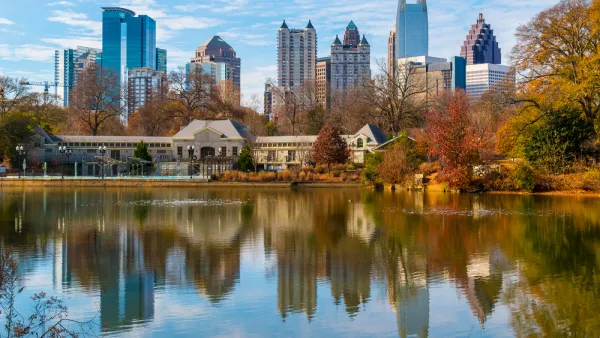
'Atlanta City Design' Book Makes a Plan for Equity
Two of the most prominent planners in Atlanta have released a book to help set an agenda for equity as the city grows in the next two decades.
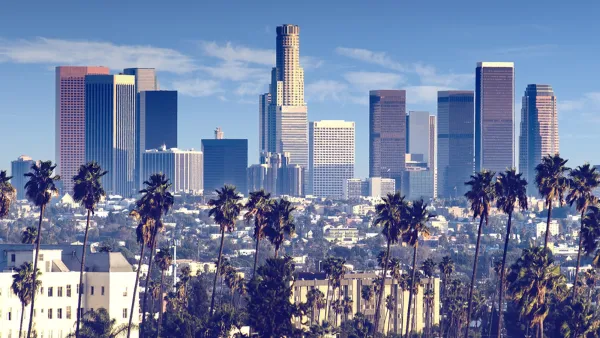
A City With Room for Everyone
A vision set forth for Los Angeles in 1970 still has powerful relevance in 2017.

Pursuing Inclusion, Equity in the Nation's Capital
The history of Washington, D.C., both recent and distant, has generated one of the most fascinating planning case studies in the country. The man leading the D.C. Office of Planning explains his approach the unique responsibilities of the job.
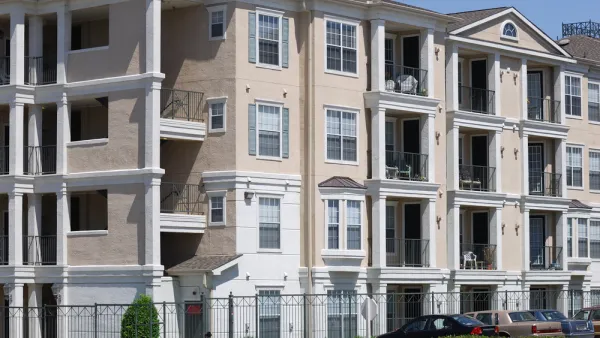
Dallas-Fort Worth Leads the Nation in Multi-Family Residential Construction
The Dallas-Fort Worth region is building multi-family housing a lot faster than anywhere else in the country, according to a recent report.
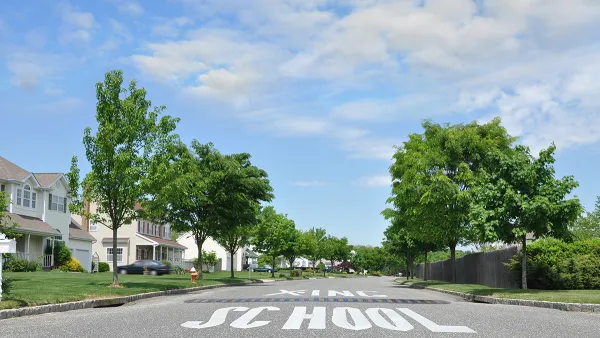
New Census Data Confirms: Suburban Areas Lead U.S. Growth
Post-recession population growth in the United States looks a lot like pre-recession growth in the United States. As some have predicted or already noticed: the story of U.S. growth is still suburban.
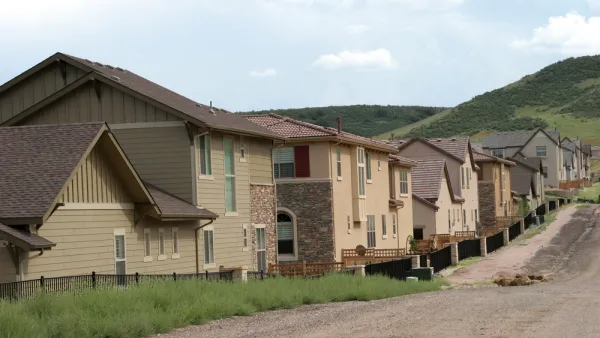
Denver Residents Voice Aesthetic Concerns Over New Housing Developments
The Denver FUGLY Facebook page makes the case that developers are building too many boring tan and rust-colored buildings in Greater Denver.
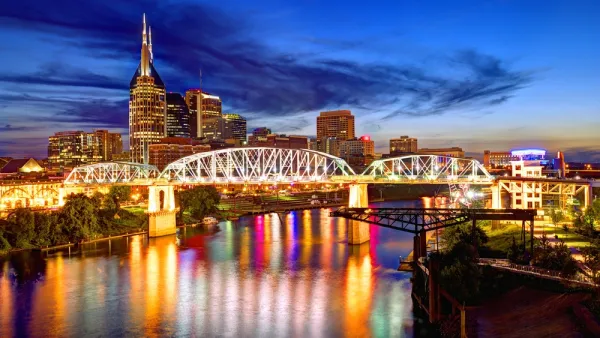
Change the Only Constant in Nashville
A new series of articles, launched by a big feature earlier this month, will explore the changes occurring in the famous and beloved city of Nashville.

The Most Ambitious Land-Use Planning Effort in the U.S.—Not Where You Might Think
A 20-year, voluntary, bottom-up, large-scale, long-term planning effort in Utah has managed to bridge the divide between Mormons and non-Mormons, environmentalists and mining interests, farmers and city-dwellers.

Denver Has Grown, but its Density Hasn't Changed Since 1950
The city of Denver lost its streetcar more than half a century ago, and it's been growing east ever since.
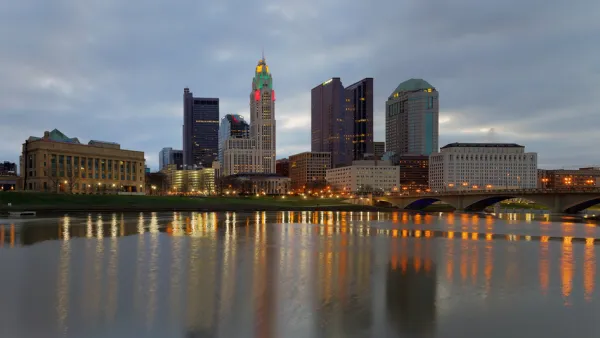
A Showdown Looms as Developers Seek New Building Heights in Columbus
The region surrounding Columbus, Ohio could add a projected one million people by 2050, and developers are looking for new ways to meet growing demand for urban living.
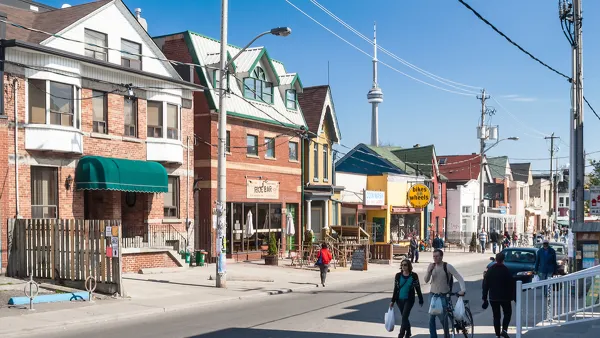
Budget Cuts to Hit Toronto's Planners Despite City's Continued Growth
Many in Toronto's planning department voiced concerns about proposed cuts to the budget, in part because of the growing number of applications they're receiving.
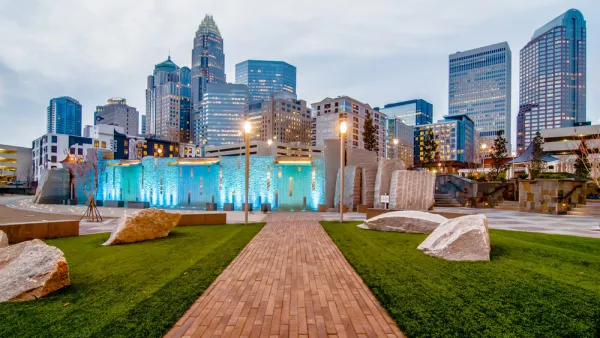
Charlotte Wonders About its Future as a Fast-Growing City
Behind all the debates surrounding the consequences of quick growth, a big question looms for Charlotte and other similarly growing cities: Will it last?
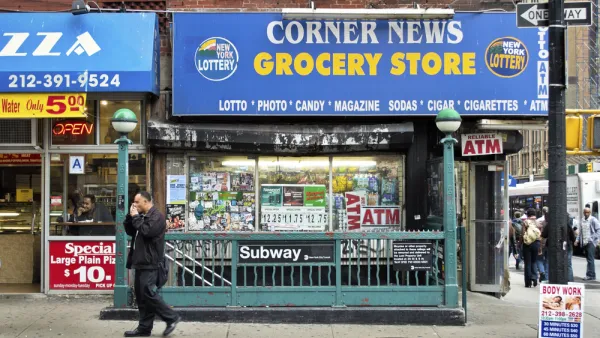
Growing Cities Starting to See Mixed-Use Development as a Solution
New York City provides a case study in the effort to satisfy growing demand with more mixed-use development.

The Massive Growth Along the I-35 Corridor in Texas
In a Forbes piece, Joel Kotkin details the rapid growth in population and economy (especially jobs) of Austin and San Antonio and the emerging city of San Marcos between the two.

FREE Course: Walkable City 1: Why Walkability?
After describing his path towards focusing on walkability as the essence of good planning, Jeff Speck marches through his five principal reasons for making more walkable places.
Reinventing Malls: Planning Alchemy—Turning Gray Fields Into Gold
The course focuses on the opportunities and imperatives that shape reinvention of mall sites.

City of Rosemead
Rutgers University, Edward J. Bloustein School of Planning and Public Policy
One Hundred Miles
The Architects Foundation
University of Cincinnati Online
Montrose County
The Pocatello Development Authority
The Urban Renewal Agency of the City of Pocatello









