Exurbs
Bay Area Extreme Commuting for the Love of Larger, Affordable Single Family Homes
It's a tradeoff that 3.9 percent of the Bay Area workforce are willing to make to own an affordable home. It's often not even a choice between living in the city or the suburbs, but the close-in suburbs or the exurbs or San Joaquin Valley.
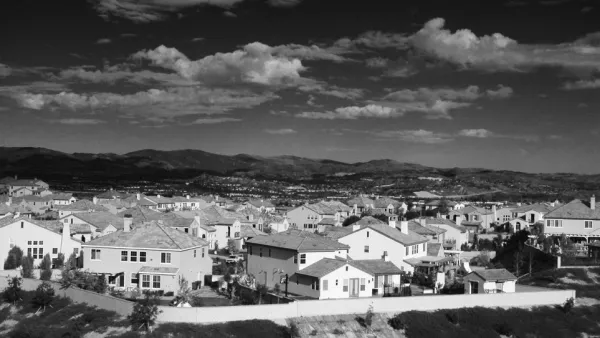
Homebuyers Return to the Exurbs
It's been a while since 2008, and a new crop of homeowners is colonizing the far-flung exurbs. Mostly foreclosed and even abandoned last time around, the exurbs are still a risky buy.
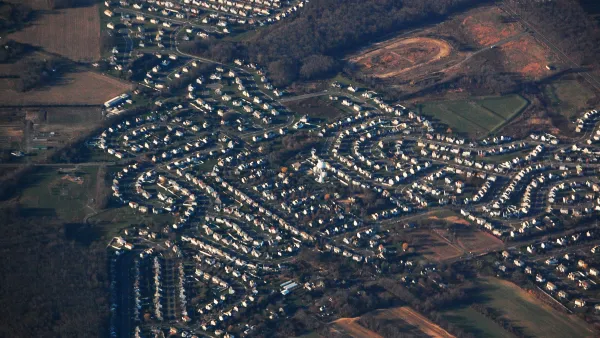
Suburbs Come Roaring Back
For nearly a decade, the narrative of the move back to the city has held sway in American life. But newly analyzed Census data indicate that the presumed death of the suburbs may have been premature.
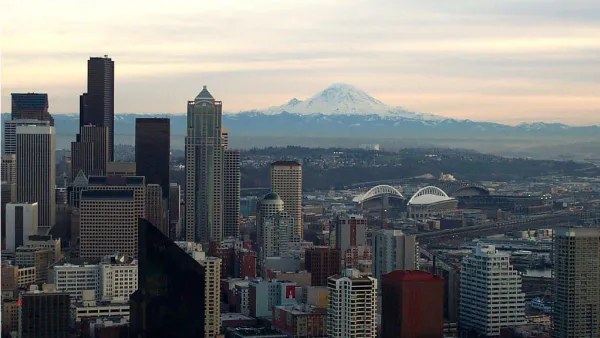
Is Big City Growth Here to Stay?
In this opinion piece, Brookings demographer William H. Frey looks at three years of census data and discusses whether urban growth will stay through the decade or whether the U.S. will return to its traditional, post-War suburban growth patterns.

Despite Urban Building Binge, Canada Remains a Country of Suburbs
A high-rise residential building boom has transformed the skylines of Vancouver and Toronto over the past two decades. But despite the evident rise in the popularity of urban living, Canada's suburbs and exurbs continue to dominate growth trends.

Commuter Rail Lines Multiply, But Where Are the Riders?
Despite a flurry of new commuter rail lines in operation, ridership increased a mere .5% during a record year for transit. Worse yet, some of the newer lines saw the greatest decreases. The answer: increase service to attract riders.
Suburbs and Exurbs Were Hit Hardest by Great Recession
A new report from the Brookings Metropolitan Policy Program shows that areas located 10-35 miles from America's central cities sustained far higher job losses during the recession, staunching the sprawl of people and employment.
As CA Turns to Infill, L.A.'s Largest Undeveloped Area Fills Up
Robbie Whelan reports that the last remaining unbuilt parcel in L.A.'s 1,000-acre Playa Vista development has been sold to Brookfield Homes, reflecting a turn by developers away from the exurbs and towards densifying urban cores.
Data Documents Divine Decade for Downtowns
Nate Berg looks at new data released by the U.S. Census Bureau that puts hard numbers behind what people across the country have observed: America's downtowns are booming again.
With Town Center Projects, Can the Suburbs Challenge Cities Yet Again?
Chasing the widespread interest in city living, developers are exporting mixed-use urbanism to the suburbs and exurbs as "town center" projects, prompting Jonathan O’Connell to ask if "a city can be a city if it’s built in the middle of a cornfield."
Slow Your Applause Urbanists, Exurbs Are Growing Fastest
New analysis from the Urban Institute and researchers at the U.S. Census Bureau shows that, despite the housing bust and economic recession, exurban growth in recent years has been significantly higher than in more densely populated areas.
As the Housing Market Rebounds, Sprawl is Poised to Come With It
A new report from the Harvard Joint Center for Housing Studies released this week claims that sprawl is poised to make a comeback after a pause driven by the recession, and not lasting changes in lifestyle choice, reports Robbie Whelan.
Traffic deaths and safety: who's really the safest?
William Lucy of the University of Virginia has written extensively on the question of whether outer suburbs are safer than cities or inner suburbs; he argues, based on traffic fatality data, that outer suburbs are certainly less safe than inner suburbs, and maybe even less safe than cities. (1) However, Lucy’s analysis is not particularly fine-grained: it analyzes data county-by-county, rather than town-by-town. What’s wrong with this? Often, suburban cities within a county are quite diverse: some share the characteristics of inner suburbs (e.g. some public transit) while others look more like exurbs. So I wondered whether there is any significant 'safety gap" between inner and outer suburbs.
The End of Exurbia? Not Yet
After the Census Bureau released population estimates showing that core counties were (at least in some metro areas) growing faster than exurban counties, the media was full of headlines about this alleged trend. An extreme example came from the Washington Post: "An end to America's exurbia?" (1)
The Future of Development in D.C.
Steven Pearlstein reads the tea leaves to predict the future development patterns in Washington, D.C. and finds that all signs point inwards to the city center and its closer-in suburbs.
Philadelphia's Ultra Exurb
The Philadelphia Inquirer's architecture critic sets out to find the outer edge of the Philadelphia suburbs, and finds a "zombie subdivision."
Why Have the Exurbs Declined?
Christopher B. Leinberger expounds on the mortgage crisis plaguing America, particularly the exurbs. Rather than being a product of the excesses of bank lending and regulation, Leinberger attributes it to demographic changes benefiting cities.
The Many Faces of Exurbia
While the South is king when it comes to exurbs (low density, with workers who mostly commute to an urban area), the exurban experience has many faces, including small town New England.
Booming Exurb Finally Suffers With Economic Downturn
From 2000 to 2010, Kendall County, Illinois was the fastest growing county in the country. Today, it seems the downturn has caught up with Kendall.
Creating a Culture of Transit
Even office parks in the exurbs can have high rates of transit use, according to success seen at an office park in San Ramon, California.

FREE Course: Walkable City 1: Why Walkability?
After describing his path towards focusing on walkability as the essence of good planning, Jeff Speck marches through his five principal reasons for making more walkable places.
Reinventing Malls: Planning Alchemy—Turning Gray Fields Into Gold
The course focuses on the opportunities and imperatives that shape reinvention of mall sites.

KFH Group Inc.
Greater Baltimore Committee
Eagle County Government
The Architects Foundation
University of Cincinnati Online
The Pocatello Development Authority
The Urban Renewal Agency of the City of Pocatello