Density
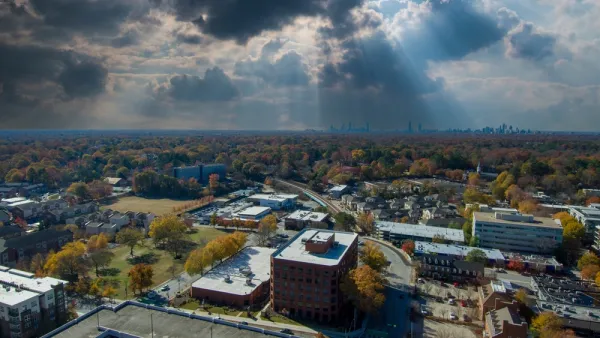
Decatur Moves Closer to Legalizing Duplexes, ‘Missing Middle Housing’
A proposal to permit multifamily housing units in areas previously zoned for single-family homes passed its first hurdle, but requires a second vote to go into effect.

Proposed San Diego Code Update Seeks to Increase Density Near Transit
A set of proposed updates to the city’s development code would expand TOD zones and encourage more backyard dwellings.
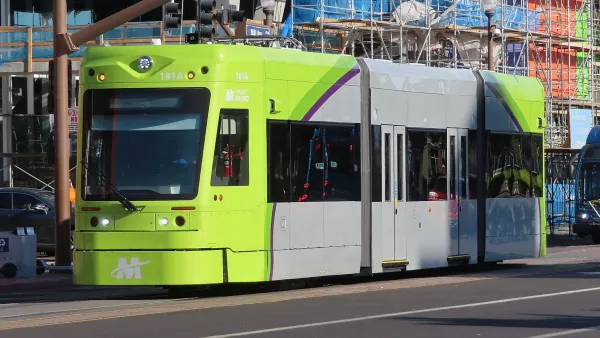
Feeling the Impact of Federal TOD Grants
Grants aimed at stimulating development and increased density along transit lines are starting to make a difference in cities around the country.

Op-Ed: Housing Solution Lies Within Urban Growth Boundary
Undoing Oregon’s urban growth boundaries won’t solve the state’s housing crisis, an opinion piece argues. Smart growth lies within existing cities.

The Misperceptions Restricting the Housing Supply
How local attitudes toward zoning reform hinder efforts to boost housing production.

Palo Alto Includes Industrial Rezonings in its State-Mandated Housing Element
Palo Alto, a Silicon Valley city with a history of exclusionary zoning tactics, has produced a new Housing Element that calls for more than 6,000 housing units to be built in the city by 2031.
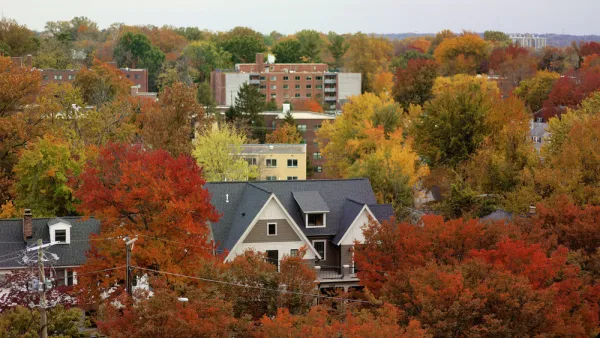
Montgomery County Growth Plan Approved
The county council approved the much-debated long-range growth plan, preparing the region for a shift toward more mid-density housing and transit-oriented development.

Montgomery County Divided Over Long-Range Plan
In the wake of mass resignations at the county’s planning board, the county council will vote to update their growth plan to reflect the region’s changing economy and demographics.

Smart Growth Plan Hopes to Rein in Sprawl in Walla Walla
The Washington city reformed its zoning code to support more multifamily development and a diversity of housing types to meet the needs of its growing population.

A New Urban Growth Boundary for Metro Denver
Douglas County’s master plan indicates that areas south of current development will likely remain preserved through conservation initiatives, but the metro area’s booming population indicates that growth will continue to happen, somewhere.
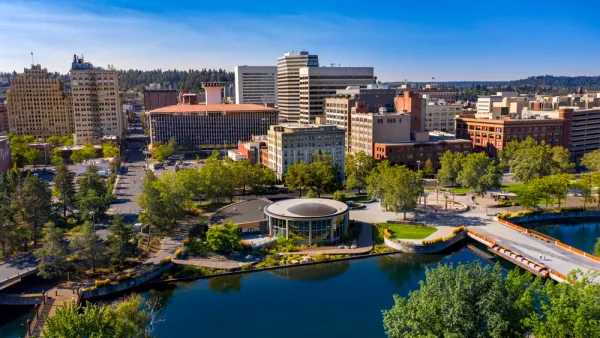
Spokane’s Missing ‘Missing Middle Housing’
City records show that Spokane has issued few permits for duplexes, triplexes, and other forms of mid-density housing.

Seattle Works To Revise Comprehensive Plan
The city has developed five concepts for updating its comprehensive plan to increase density and reverse the legacy of exclusionary zoning.

Reno Development Aims for ‘Baked-In’ Sustainability
The Midtown Garden Homes infill project brings light density and sustainable materials to a neighborhood predominantly populated with single-family homes.
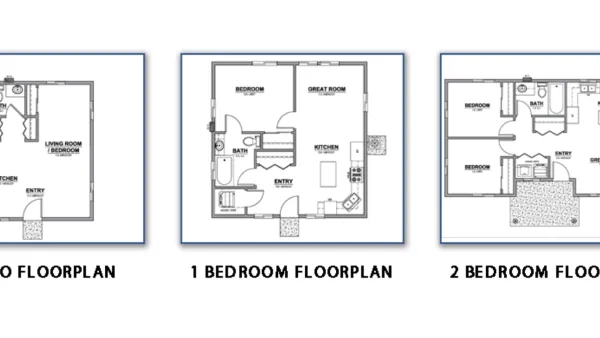
Denver Struggling to Unlock the Potential of Accessory Dwelling Units
Why doesn’t Denver build more ADUs? It’s complicated.
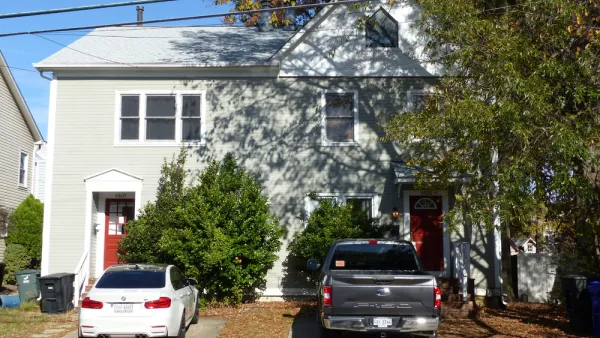
Missing Middle Housing as an Antidote to Redlining
New research suggests that missing middle housing could help make more affordable housing available to Arlington residents, particularly Black households historically blocked from homeownership in many neighborhoods.

Whose History Is Being Preserved, Exactly?
As the housing crisis continues, advocates are increasingly wary of historic preservation efforts that serve to perpetuate historic inequities and keep housing costs high.
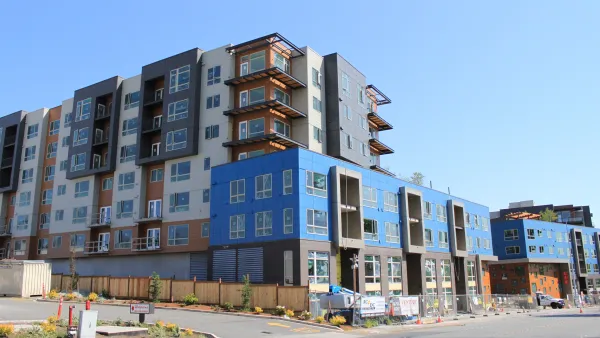
Report: Nation Short 3.8 Million Housing Units
Housing underproduction in the United States is growing more severe and more widespread.

California Density Law Didn’t Kill the Single-Family Neighborhood
After the passage of a contentious zoning reform law that encourages ‘light infill’ in single-family neighborhoods, few California households have submitted applications to build extra units, largely due to onerous restrictions imposed by local laws.
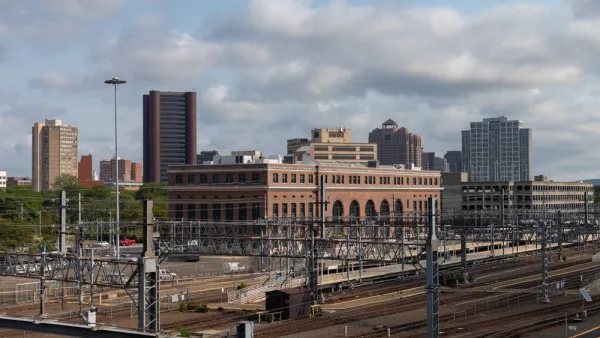
Transit-Oriented Walking Tours Highlight the Value of Density
Housing advocates in Connecticut are leading walking tours that fight misinformation about transit-oriented development and emphasize the benefits of increased density.
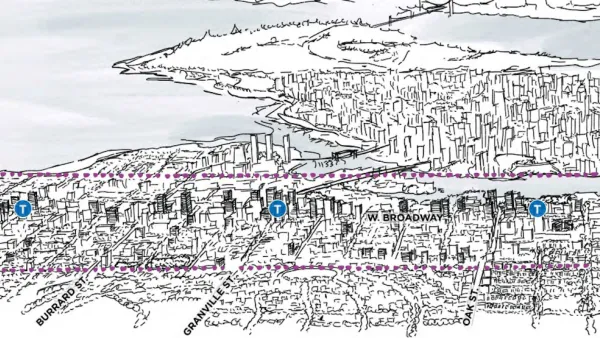
Vancouver’s Controversial Broadway Plan Approved With Amendments
A plan to add new significant amounts of housing, shifting development south into a “second downtown” around the future SkyTrain Millennium Line Broadway Extension, has been approved in Vancouver.

FREE Course: Walkable City 1: Why Walkability?
After describing his path towards focusing on walkability as the essence of good planning, Jeff Speck marches through his five principal reasons for making more walkable places.
Reinventing Malls: Planning Alchemy—Turning Gray Fields Into Gold
The course focuses on the opportunities and imperatives that shape reinvention of mall sites.

City of Charlotte
City of Rosemead
Rutgers University, Edward J. Bloustein School of Planning and Public Policy
University of Michigan School for Environment and Sustainability (SEAS)
Hunter College, City University of New York (CUNY)
The Architects Foundation
University District Partnership









