Chicago
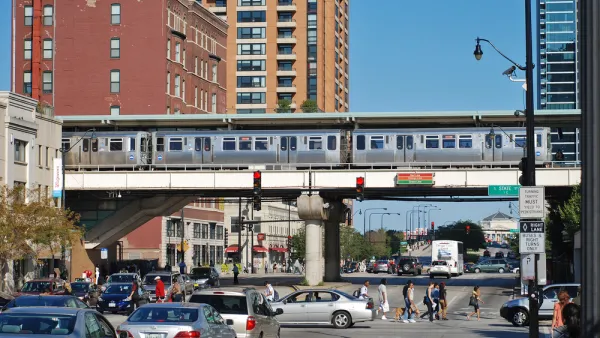
Chicago Transit Still Stumbling After Redesign
The city’s transit agency made changes to its schedules to make wait times more predictable and streamline services on the most popular routes, but riders are still experiencing headways longer than before the pandemic.
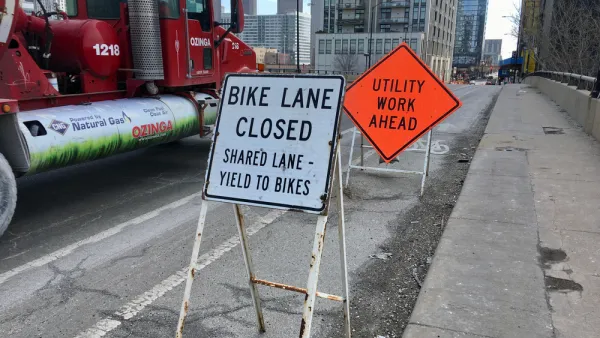
Chicago Bike Lane Enforcement Proposal Draws Criticism for not Addressing Structural Flaws
A new ordinance would use automated enforcement to ticket drivers who block bike lanes, but some bike advocates say the city is avoiding the harder work of improving its bike infrastructure.
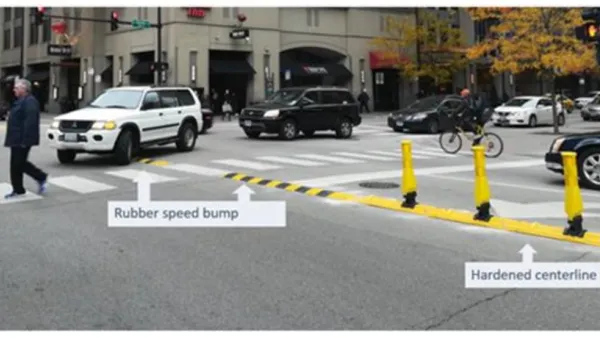
Chicago Left Turn Traffic Calming Reduces Crashes
The city installed reflective posts and speed bumps at dangerous intersections to induce drivers to take left turns more slowly and carefully.
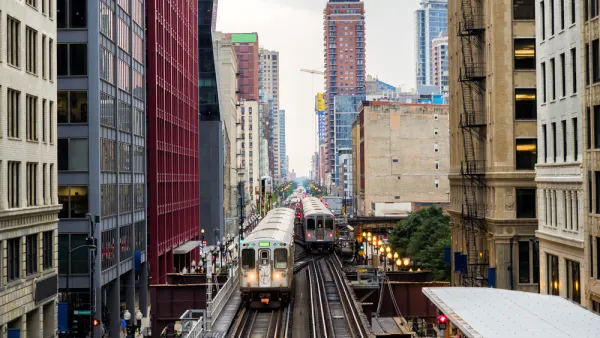
Chicago Transportation Advocates Launch ‘Safe Streets for All’ Coalition
The group brings together advocates for road safety and better transit in the hope of influencing local elections and city policy.
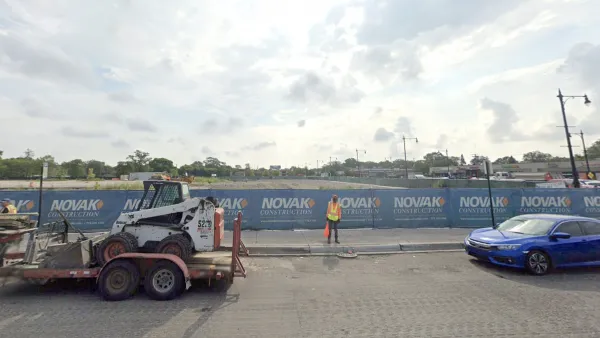
Chicago Sears Redevelopment To Include Medical Facility, Housing
Developers have announced details about the long-awaited renaissance of a shuttered West Side Sears store.
Chicago To Issue Climate Resilience Grants
Small businesses and nonprofits are eligible for a $5 million fund designed to help the city reach its emissions reduction goals.
The Crucial Role of Suburban Voters in the Midterms
Suburban voters were instrumental in preventing a 'red wave' on Election Day and on December 6 in the Georgia U.S. Senate runoff election, enabling the Democrats to win a 51st Senate seat.
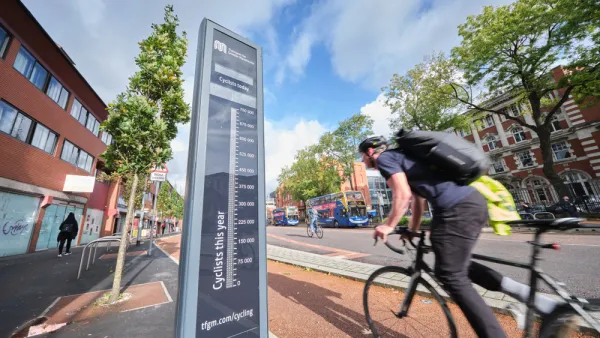
Chicago Gets its First Bike Counter
After years of failed efforts to install bike counters, the city finally has its first counter at the corner of Chicago Avenue and Wells Street.
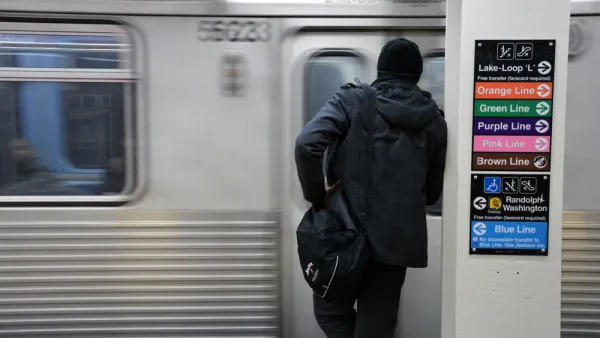
Chicago Awarded Federal Funding for Accessible Train Stations
The city received a federal grant geared toward improving accessibility at CTA and Metra stations, close to a third of which lack ADA compliance.
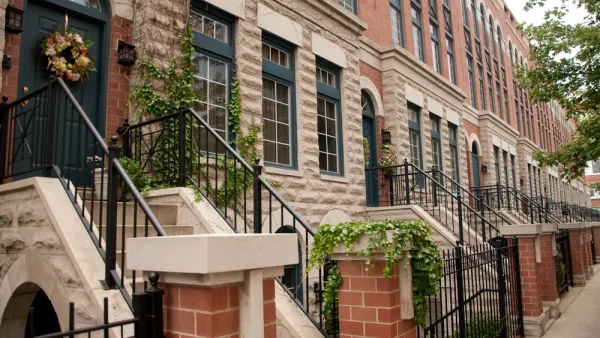
Chicago’s ‘Teardown Tax’ Slowing the Loss of Two-Flats
A demolition fee designed to preserve affordable housing in older buildings has had some impact on the city’s housing supply.
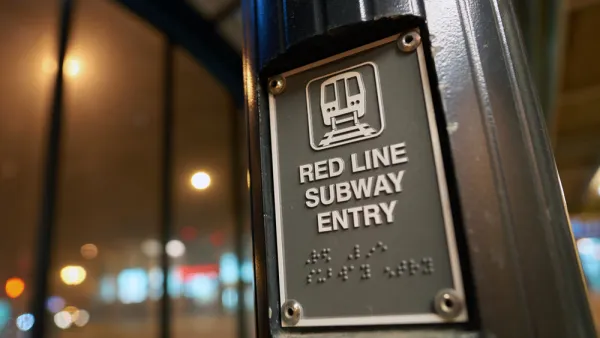
Update: Chicago Red Line Extension TIF Approved
The long-anticipated project that will bring the Chicago Transit Authority rail system into transit deserts on the Southside of Chicago is making substantial progress.
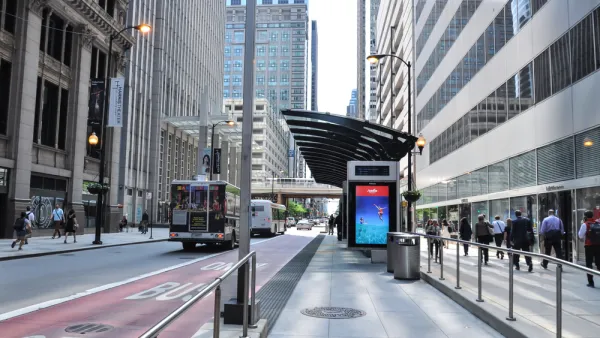
Chicago Makes ‘Pop-Up’ Bus Lanes Permanent
Even with the addition of 3.5 miles of permanent bus-only lanes, Chicago trails other cities in miles of dedicated bus lanes.
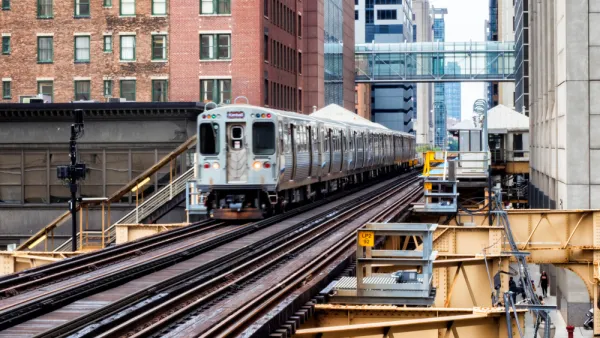
Chicago Transit Faces Steep Budget Gap
The region’s transit riders could see major fare hikes and reduced service if agencies don’t find new ways to make up for reduced fare revenues.
Scorecard Will Track Chicago Transit Recovery
A new scorecard from the Chicago Transit Authority will update the public on the agency’s progress on key issues like service delivery, frequency, and infrastructure improvements.
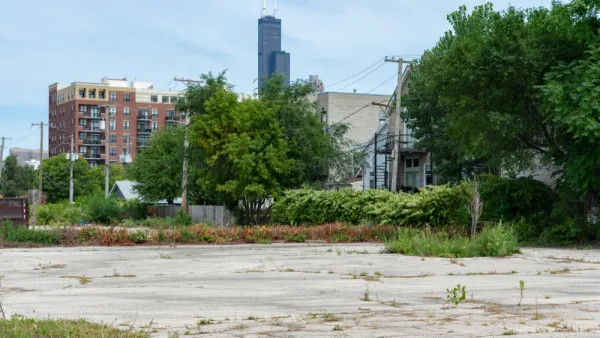
Chicago To Boost Vacant Lot Sales Program
The city hopes its incentives to buyers will help convert the thousands of city-owned vacant lots into housing, green space, or other productive uses.
Keanu Reeves, Daniel Burnham Dream No Longer a Reality
Keanu Reeves will no longer portray Daniel Burnham in a film adaptation of The Devil in the White City.
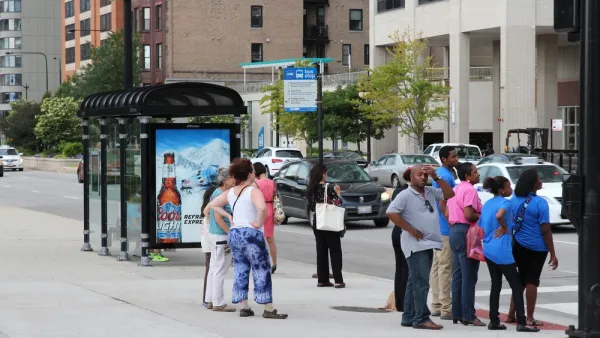
Electric ‘Jitneys’ Seek to Close Last-Mile Gaps
Two companies focusing on hyper-local trips want to bring more transit and services within reach of Chicago’s underserved Black neighborhoods.
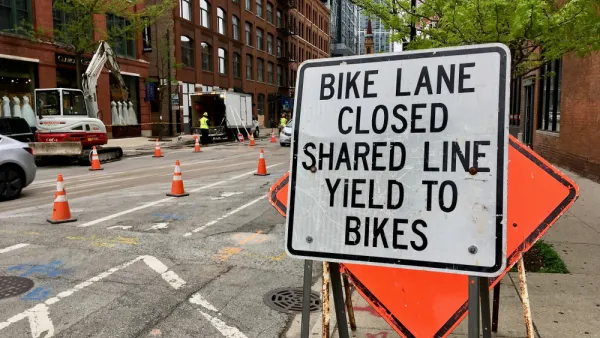
Opinion: Traffic Calming Shouldn’t Be Optional
Road infrastructure that fails to make dangerous driving behavior feel risky to drivers is ineffective in protecting pedestrians and people on bikes.
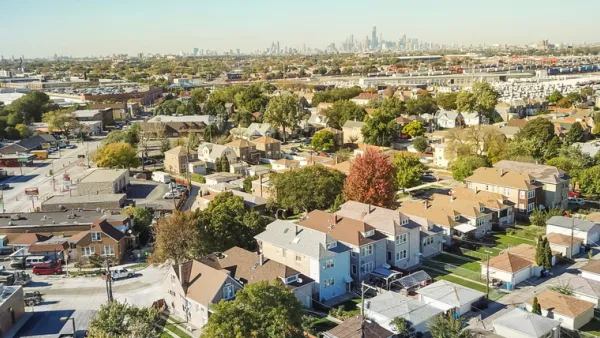
Chicago ADUs Concentrated in More Affluent Neighborhoods
An analysis of city-issued permits shows that homeowners in gentrified wards are building accessory dwelling units at much higher rates than those in less well-off communities.
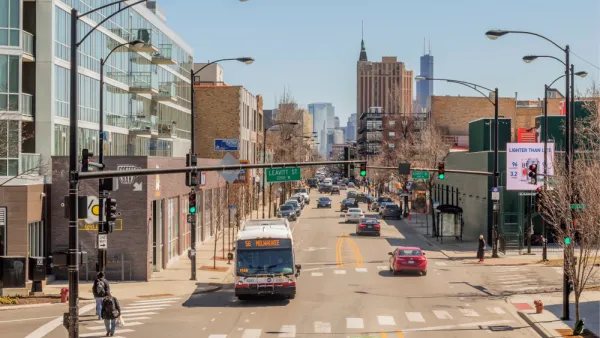
The Role of Segregation in Traffic Deaths
Research from Chicago suggests that the city’s traffic calming infrastructure is concentrated in the most affluent neighborhoods, contributing to higher rates of road deaths in lower-income neighborhoods.

FREE Course: Walkable City 1: Why Walkability?
After describing his path towards focusing on walkability as the essence of good planning, Jeff Speck marches through his five principal reasons for making more walkable places.
Reinventing Malls: Planning Alchemy—Turning Gray Fields Into Gold
The course focuses on the opportunities and imperatives that shape reinvention of mall sites.

Harvard University Graduate School of Design
KFH Group Inc.
Greater Baltimore Committee
The Architects Foundation
University of Cincinnati Online
The Pocatello Development Authority
The Urban Renewal Agency of the City of Pocatello