Buses
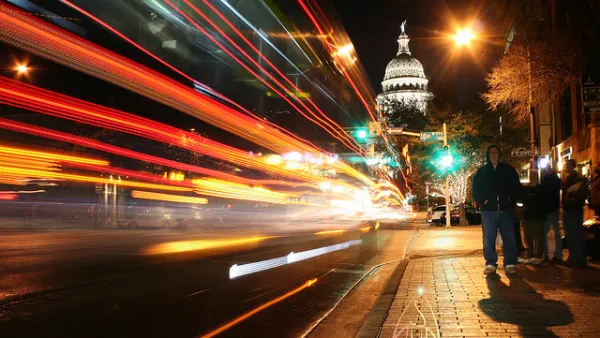
Can Better Transit Get Austinites Out of Cars?
The city's ambitious transit plan will bring light rail and bus connections to more areas of the city.
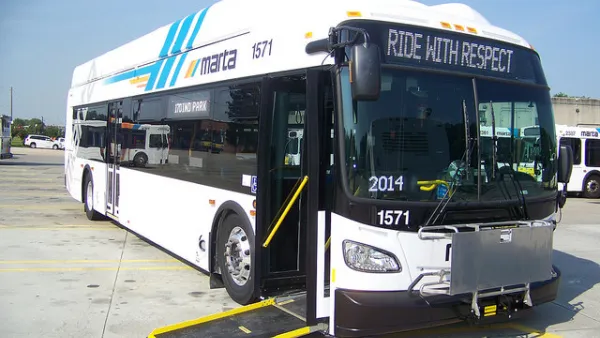
Downtown Atlanta Association Calls for Changes to Proposed BRT Line
The group expressed concerns with changes made to a key segment, which leaves riders with fewer connections to existing transit and does not position the line for future growth.
Opinion: To Increase Equity, Make Buses Free
With buses as a dominant transport mode for low-income households and "essential workers," free fares would increase access to economic opportunities and free up limited income for cash-strapped commuters.
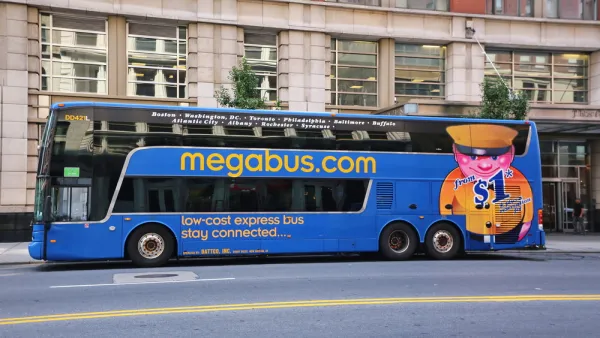
Philadelphia's Intercity Bus Riders Are Getting Shortchanged
Despite the popularity of intercity bus services, most users have to wait on unshaded sidewalks with none of the amenities of traditional bus depots.
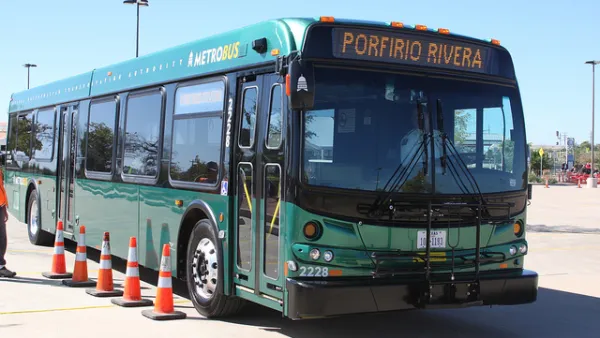
Coming Soon to Austin: More Electric Buses, Two New High-Frequency Lines
Austin's transit agency is accelerating its move toward an all-electric fleet with the addition of 200 new electric buses.
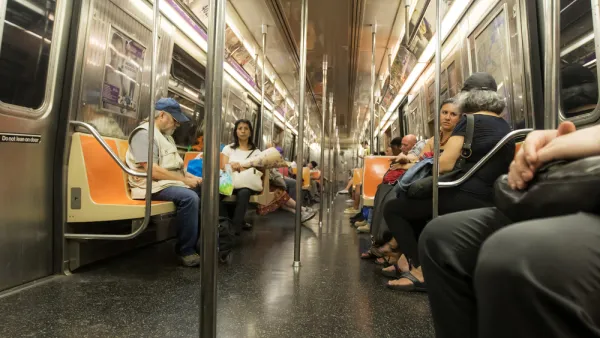
Transit Riders Want An Improved Experience Post-Pandemic, Survey Says
A survey of public transit users indicates riders want to see more tech features that improve their experience, such as trip planning and improved payment platforms.
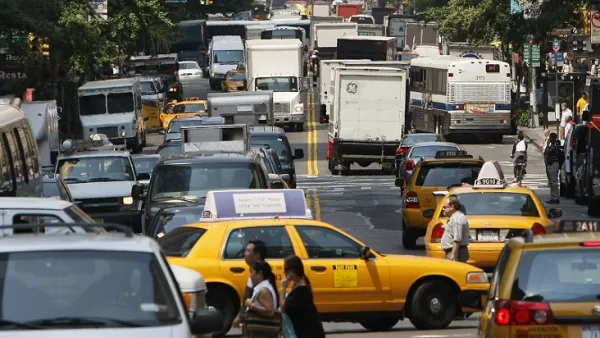
New York Mayor's 'Gridlock Alerts' Go Unheeded
Mobility advocates say the city must do more to make transit and alternative transportation modes more convenient for drivers.
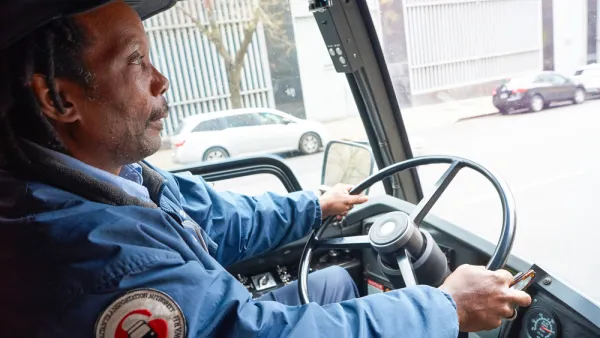
How Free Fares Could Benefit Bus Drivers
Free transit would reduce boarding times and improve working conditions for bus drivers, the 'frontline workers' responsible for fare collection and enforcement.
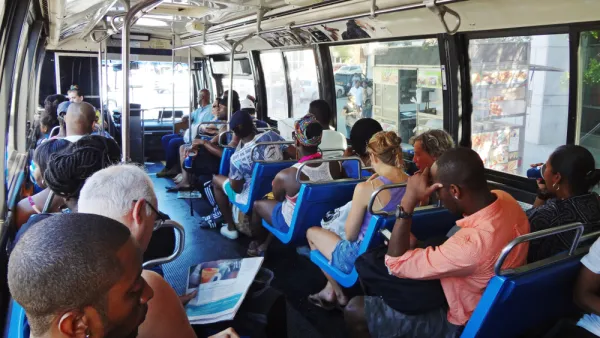
Transit Needs Service Changes, Now More Than Ever
As travel patterns and needs shift, transit agencies should look at service changes as a much-needed 'regular practice.'
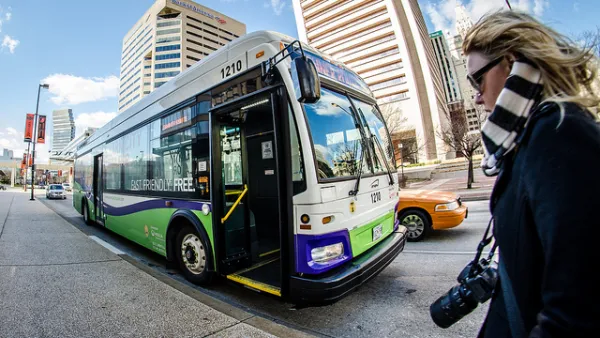
Bus Transit Still Faces Social Stigma
Improving headways and making service more reliable can help reduce the negative public image faced by urban bus transit.
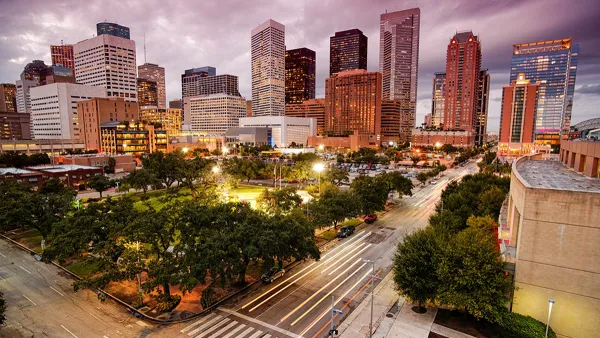
Houston Transit Agency Moves Forward With Long-Range Plan Even as Revenue Falls
Despite reduced ridership during the COVID-19 pandemic, Houston Metro is pushing ahead with its $7.5 billion long-range transit plan.
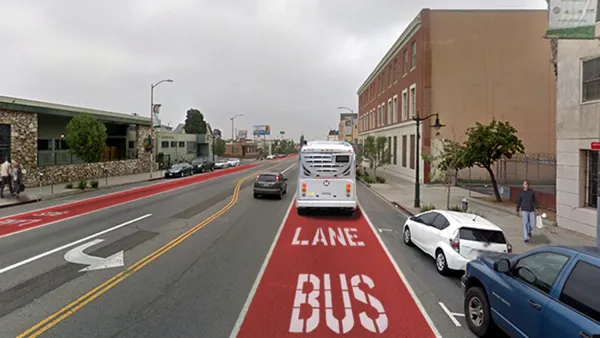
To Regain Transit Ridership, Policymakers Must Address Land Use and Housing
More buses and trains alone won't bring back riders; other incentives are needed to boost ridership and encourage new users.
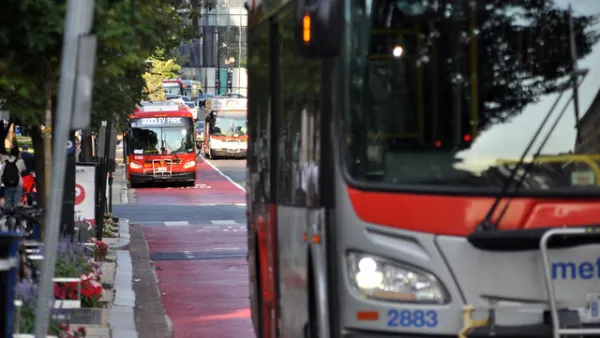
NRDC Releases 'Bus Priority Toolkit'
The kit, designed in collaboration with five U.S. cities, aims to provide lessons and tools for building a compelling case for bus priority and identifying measurable benefits.
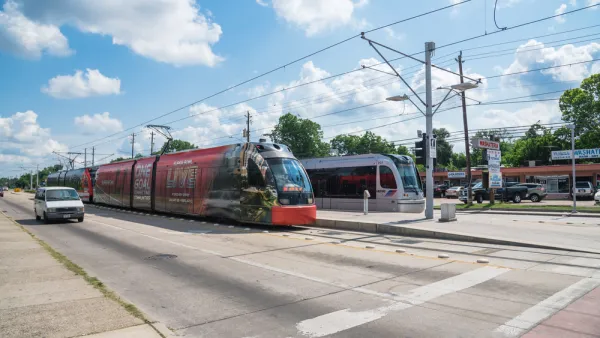
Houston Plans New Downtown Bus-Only Lanes
The lull in commuter traffic during the pandemic gave Houston's transit agencies time to implement new projects and redesign downtown roads to better accommodate transit users.
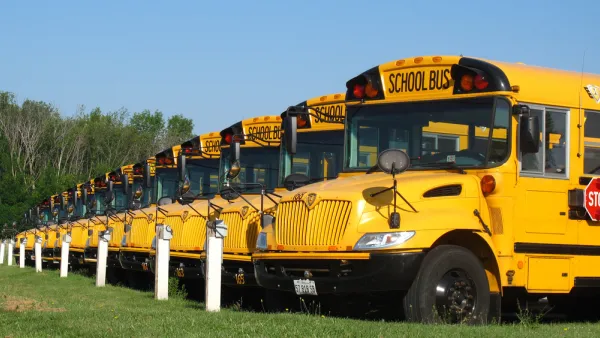
Congress Shortchanges School Bus Electrification in Infrastructure Bill
Greening school buses, which represent the bulk of America's mass transit, would reduce children's exposure to harmful diesel emissions and remove millions of tons of greenhouse gas emissions from our roads.
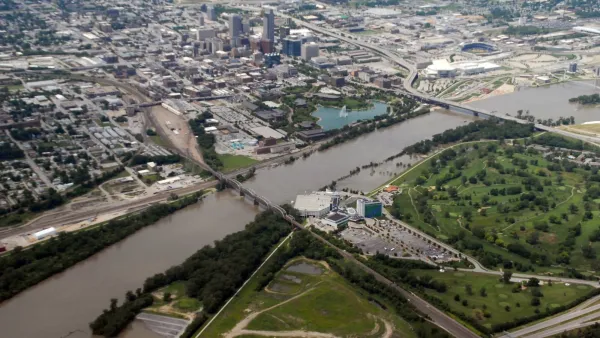
Omaha's Transit Agency Plans to Expand, Enhance Service
The plan calls for more frequent service, expanded bus lines, and connectivity between different modes of transit.
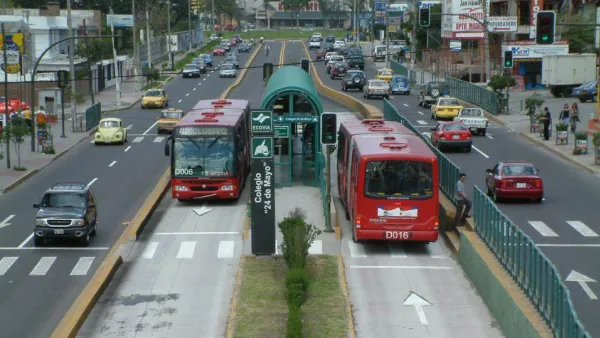
Bus Rapid Transit Gaining in Popularity
As cities look to rebuild their transit systems, bus rapid transit provides a cheap and effective way to expand access and boost speed.
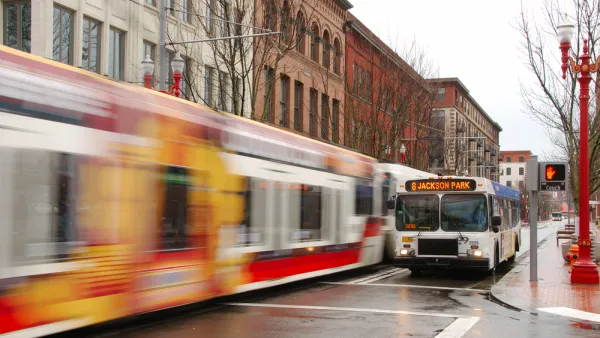
Fighting Climate Change Requires Serious Transportation Reform
The federal government can encourage public transit use and electrification through reforms in transportation systems and land use policies.
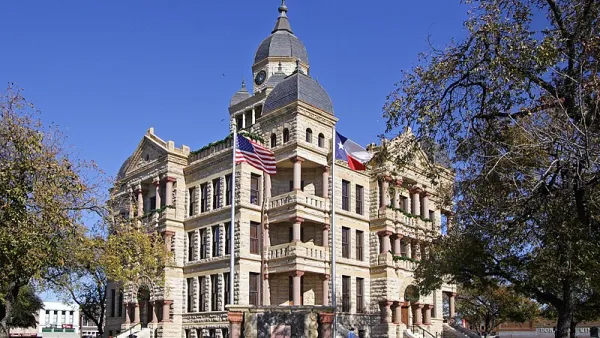
Denton Plans to Replace Most Bus Routes With On-Demand Microtransit
Transit advocates worry that outsourcing fixed-route service will decrease service levels and raise costs for riders.

Where to Preview L.A.'s New Bus Shelters
Angelenos can try out the new designs at six locations this summer, with the full program set to launch in 2022.

FREE Course: Walkable City 1: Why Walkability?
After describing his path towards focusing on walkability as the essence of good planning, Jeff Speck marches through his five principal reasons for making more walkable places.
Reinventing Malls: Planning Alchemy—Turning Gray Fields Into Gold
The course focuses on the opportunities and imperatives that shape reinvention of mall sites.

City of Rosemead
Rutgers University, Edward J. Bloustein School of Planning and Public Policy
One Hundred Miles
Hunter College, City University of New York (CUNY)
The Architects Foundation
University of Cincinnati Online
City of Cambridge
Montrose County
The Pocatello Development Authority









