Rebuilding America's infrastructure, as promised on the campaign trail and in the first year and a half of the Trump Administration, will get a lot harder when the price of steel has gone up by 40 percent since the beginning of 2018.


David A. Lieb reports on the effects of the Trump Administration's trade policies on infrastructure investment projects and programs around the United States.
Steel prices have risen sharply since the Trump Administration instituted tariffs on steel imports in March, according to Lieb. While some projects are under construction with pre-tariff prices locked in, projects in the pipeline aren't so fortunate. Lieb references the Kansas City streetcar extension, a bridge project over the Mississippi River in St. Louis, and highway construction programs in Rhode Island and Pennsylvania to exemplify projects that are re-evaluating their plans in light of the new prices for steel.
There's also the specter of President Trump's proposed (but likely dead on arrival) $1.5 trillion infrastructure plan. The article implies, with some degree of subtlety, that Trump's trade policies are making Trump's infrastructure promises impossible.
FULL STORY: Trump’s own tariffs make it harder to rebuild infrastructure

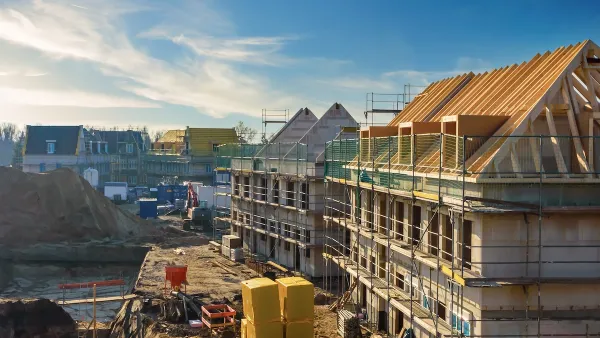
How Might Tariffs and Deportations Affect Affordable Housing Development?
Many affordable housing developers worry Trump’s proposed taxes on imports and crackdown on immigration will be detrimental to the industry. Others hope deregulation reduces development costs enough to offset those effects. What’s the most likely outcome?
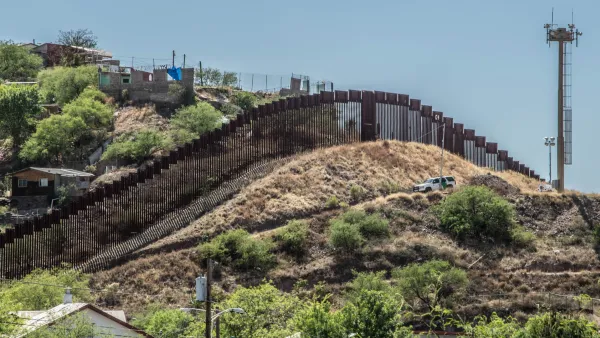
Trump's Infrastructure Accomplishments Fall Short of Promises
President Trump has fallen short of 2016 promises to update and upgrade the key infrastructure of the United States, according to this article.
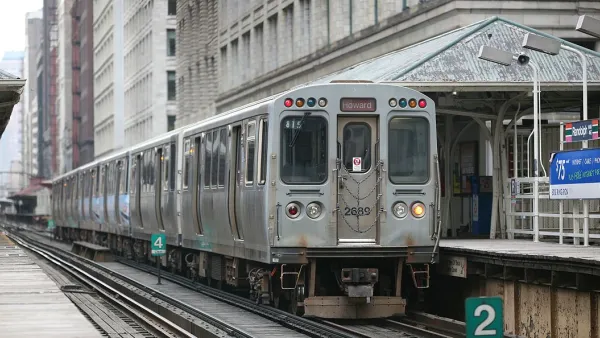
Trade War With China Impacts Transit Investments in Chicago
A 25 percent tariff on steel imports could eventually be passed to transit riders in the form of higher fares.

Planetizen Federal Action Tracker
A weekly monitor of how Trump’s orders and actions are impacting planners and planning in America.

The state-sanctioned urbicide of Austin
People don’t kill cities. Freeways do.

US to reduce Colorado River water deliveries to Mexico
A new Colorado Treaty amendment reduces Mexico’s Colorado River water allocation by 250,000 acre feet.

Mamdani overhauls NYC's Vision Zero plan with 100 new policy goals
The overhaul aims to reduce traffic deaths and make streets safer for pedestrians, cyclists and drivers through lower speed limits, new safety infrastructure and more.

Amtrak not solely to blame for New Jersey commuter rail's unreliability, report finds
A new study from the Garden State Initiative found that NJ Transit’s budget grew 20% across a 4 year period, but reliability declined significantly over the same period.

EPA erases limits on planet-warming pollution from power plants
Under Monday’s plan, power plants would still have some limits on how much mercury, arsenic and other contaminants they can emit.

FREE Course: Walkable City 1: Why Walkability?
After describing his path towards focusing on walkability as the essence of good planning, Jeff Speck marches through his five principal reasons for making more walkable places.
Reinventing Malls: Planning Alchemy—Turning Gray Fields Into Gold
The course focuses on the opportunities and imperatives that shape reinvention of mall sites.

Eagle County Government
Harvard University Graduate School of Design
Nashville Planning Department
The Architects Foundation
University of Cincinnati Online
The Pocatello Development Authority
The Urban Renewal Agency of the City of Pocatello
Journal of the American Planning Association