The failed "Fair Share Amendment" would have taxed the wealthy to pay for transportation and education.


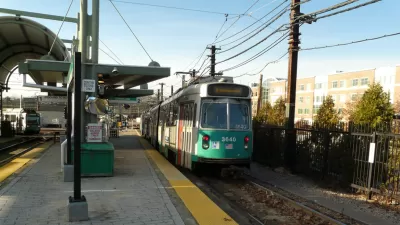
"Voters will not have an opportunity to impose an income surtax on the state’s wealthiest earners this November, after the Supreme Judicial Court issued a long-anticipated ruling [pdf] Monday that the proposal known as the 'millionaire’s tax' cannot appear on the ballot," report Steve Brown and Ally Jarmanning.
"The proposal, which supporters dubbed the 'Fair Share Amendment,' would have raised an estimated $2 billion via a 4 percent surtax on any income above $1 million," according to the article. That money would have been reserved for transportation and education funding.
Following that news, Shirley Leung writes a column pondering the question of how Massachusetts will fund transportation and education. Leung suggests that progressives and the business community have a common agenda, and investments in transportation and education can benefit the entire state by building a thriving economy.
FULL STORY: 'Millionaire's Tax' Won't Be On The State Ballot, Mass. SJC Rules


Trump Administration Proposes to Divert Billions from Mass Transit to Highways; Advocates Sound Alarm
Two proposals from the Trump DOT would eliminate a federal mass transit fund and make it harder for states to allocate funding to transit projects.
Federal Judge Rules Trump Can’t Tie Transportation Funding to Immigration Policy
The judge said the administration did not offer “any plausible connection” between transportation projects and immigration enforcement.
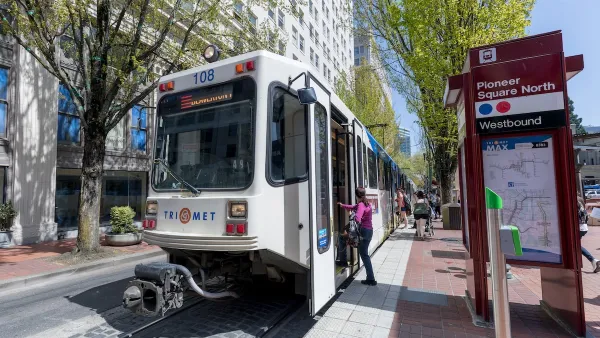
Oregon Transportation Bill Saves 500 ODOT Jobs, but Leaves Future Funding Uncertain
A bill passed in a special legislative session will raise over $4 billion for transportation and public transit in the next 10 years, but fails to establish a long-term funding solution.

The state-sanctioned urbicide of Austin
People don’t kill cities. Freeways do.

US to reduce Colorado River water deliveries to Mexico
A new Colorado Treaty amendment reduces Mexico’s Colorado River water allocation by 250,000 acre feet.

New Jersey’s second-largest city bans standalone data centers
Jersey City will continue to allow co-location facilities, such as those meant for research institutions that store their own data.

Amtrak not solely to blame for New Jersey commuter rail's unreliability, report finds
A new study from the Garden State Initiative found that NJ Transit’s budget grew 20% across a 4 year period, but reliability declined significantly over the same period.

EPA erases limits on planet-warming pollution from power plants
Under Monday’s plan, power plants would still have some limits on how much mercury, arsenic and other contaminants they can emit.

Phoenix announces new on-demand transit service, more frequent RAPID buses
Both new services will launch in October, and are part of Phoenix's Project Effective Access Solutions for Easing Congestion.

FREE Course: Walkable City 1: Why Walkability?
After describing his path towards focusing on walkability as the essence of good planning, Jeff Speck marches through his five principal reasons for making more walkable places.
Reinventing Malls: Planning Alchemy—Turning Gray Fields Into Gold
The course focuses on the opportunities and imperatives that shape reinvention of mall sites.

Eagle County Government
Harvard University Graduate School of Design
Nashville Planning Department
The Architects Foundation
University of Cincinnati Online
The Pocatello Development Authority
The Urban Renewal Agency of the City of Pocatello
Journal of the American Planning Association