Kate Wagner argues that moral arguments about what kind of architecture is fitting, can stand in the way of good planning.


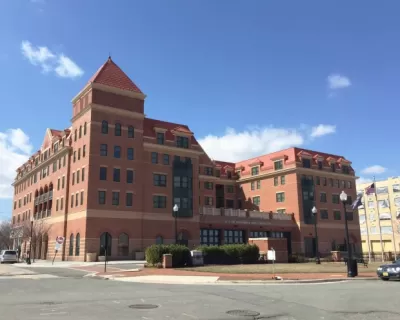
Are skin-deep moral judgements fueling the housing affordability crisis?
Kate Wagner says architecture is a scapegoat for bigger problems with housing in cities. Arguing that both NIMBYs and YIMBYs see a moral component to the aesthetics they prefer. "Aesthetic moralism is unfortunately trenchant in the urban housing debate, usually on the NIMBY side, which often argues that new housing destroys 'neighborhood character,'" Wagner writes in Common Edge. This causes conflict when the need should dictate the look or type of development. "Affordable mid and high-rise towers are the most effective way to house the greatest number of people on the smallest parcel of land, something that’s desperately needed in places like San Francisco, where the value of land is so high," Wagner writes.
Still the left can fall victim to aesthetic moralism as well, by vilifying modern developments. "Often, both luxury and affordable or public developments have to conform to certain aesthetic standards in order to pass a city’s required design review process before the proposed developments can be approved," Wagner argues.
Read the full story: Architecture, Aesthetic Moralism, and the Crisis of Urban Housing

Seattle Public Hearing on Affordable Housing Surprisingly YIMBY
Fort Lawton, an affordable housing proposal including over 200 units, got a warm reception at a meeting in Seattle.
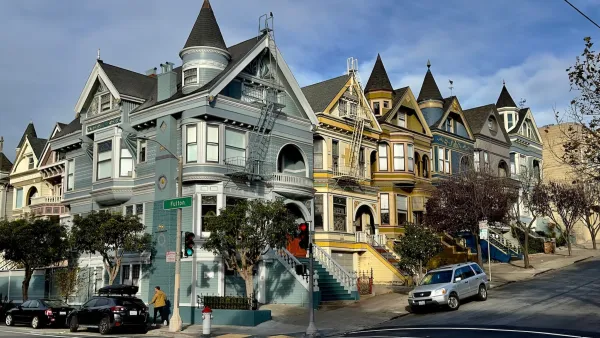
The trouble with QUIMBY, revisited — a rebuttal to a rebuttal
In a perfect world, QUIMBY might get us a bit closer where we need to go. But, this YIMBY argues, not close enough.
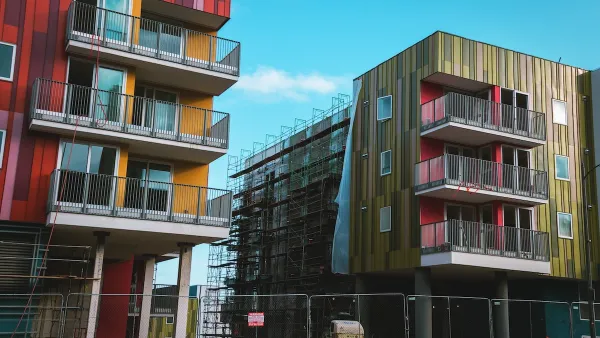
Survey: 59% of LA Residents Want Dense Housing in Their own Neighborhoods
A UCLA survey reveals strong support for new apartments across the city, bucking the notion that Angelenos are NIMBYs.

Planetizen Federal Action Tracker
A weekly monitor of how Trump’s orders and actions are impacting planners and planning in America.

Colorado’s Largest Data Center Could Rise Next to Homes — Without a Public Hearing
The proposed campus would consume 11 times the power of Denver International Airport; as it has across the country, opposition mounts.

Amtrak, CN end decades-long dispute with eight-year agreement
The new operating agreement establishes an updated framework for the companies to work together, including processes to resolve disputes.

'This is going to be painful:’ Virginia stares down $1.7 billion funding gap for highway maintenance
The state may address the deficit by shifting $290 million from its construction budget to maintenance projects.

Judges permit Denver to divert 77,000 acre feet from the Colorado River for reservoir expansion
Overuse and climate change have caused the Colorado River’s water levels to plummet.

Amtrak, CN end decades-long dispute with eight-year agreement
The new operating agreement establishes an updated framework for the companies to work together, including processes to resolve disputes.

FREE Course: Walkable City 1: Why Walkability?
After describing his path towards focusing on walkability as the essence of good planning, Jeff Speck marches through his five principal reasons for making more walkable places.
Reinventing Malls: Planning Alchemy—Turning Gray Fields Into Gold
The course focuses on the opportunities and imperatives that shape reinvention of mall sites.

KFH Group Inc.
Greater Baltimore Committee
Eagle County Government
The Architects Foundation
University of Cincinnati Online
The Pocatello Development Authority
The Urban Renewal Agency of the City of Pocatello