It's great that the New York MTA is overhauling its fare system and doing away with the MetroCard, but there's so much more potential to realize.



Colin Wright of TransitCenter and Vincent Pellecchia and Nick Sifuentes of Tri-State Transportation Campaign have authored the "A New Way to Ride" [pdf] report to prepare for the MTA's adoption of a tap-based fare system.
"[The report] focuses on several fundamental changes advocates believe the MTA should begin discussing in advance of the phase out, including all-door bus boarding, 'fare capping' and new data collection to improve commutes," according to an article by Vincent Barone sharing the news of the new report.
The report also digs into the potential benefits of the new data the tap system will collect. As for how the new fare system is expected to work: "The slow rollout of the new technology will begin in the spring of 2019, with bank cards and smartphone payments made available at 500 station turnstiles and 600 buses," according to Barone. "The system will be available citywide by September 2020."
In addition to a pdf version of the report posted online, the TransitCenter website has a post introducing the recommendations detailed in the report. The TransitCenter team has also produced the following nifty animation to explain the concept of fare capping.
Read the full story: MTA must prepare now for next-generation tech implementation, report says

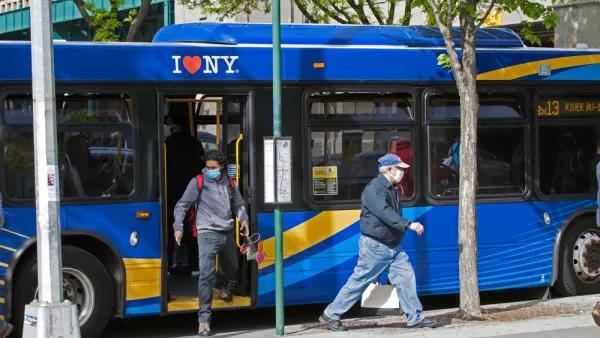
All-Door Boarding Stuck in Neutral in New York City
MTA leadership has decided all-door boarding will lead to fare evasion and isn’t willing to adopt a program that was already well underway.
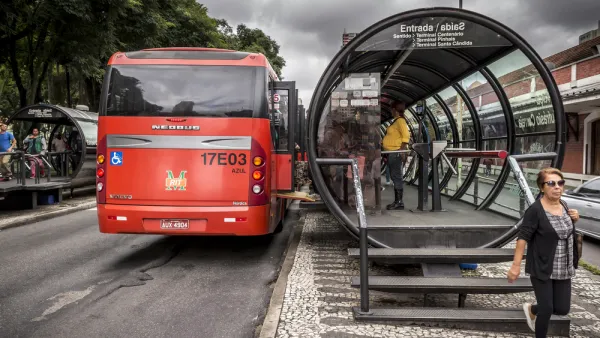
All-Door Boarding a Missed Opportunity in NYC
American transit systems are increasingly moving to structures that allow pre-paying and all-door boarding. David Meyer argues that these systems have proven their worth and fears of fare evasion aren't enough to justify inferior services.
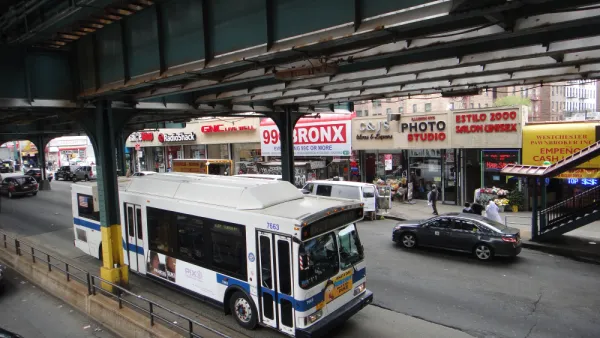
Changes to Local Service in the Bronx Benefit Bus Speeds, Ridership
Another example of how improving bus service design can benefit transit riders and transit systems emerges in New York City. More such local system redesigns are on the way soon in the Big Apple.

Planetizen Federal Action Tracker
A weekly monitor of how Trump’s orders and actions are impacting planners and planning in America.

Northwest rail fans eager for Sept. 30 debut of Amtrak’s Airo fleet
Get ready for that new train smell and more seats. But they won’t go faster or run more frequently on the Cascades route in Washington and Oregon.

Record-breaking wildlife overpass in Colorado brings 91% reduction in animal collisions
Prior to the overpass, vehicles were hitting one deer per day on Colorado’s Interstate 25.

Detroit to transform waterfront with $2.2 billion investment
Developers will convert about 18 acres of unused parking lot space into civic spaces.

‘Going backwards:’ Baltimore mayor, students rally against state's transit funding plan
Maryland's proposed six-year plan provides no funding for Baltimore’s BMORE bus program and reduces its road maintenance funding.

Trump wants to cancel nearly 98% of funding for HUD housing support program
Multiple housing groups are suing the administration in an effort to preserve the funding.

FREE Course: Walkable City 1: Why Walkability?
After describing his path towards focusing on walkability as the essence of good planning, Jeff Speck marches through his five principal reasons for making more walkable places.
Reinventing Malls: Planning Alchemy—Turning Gray Fields Into Gold
The course focuses on the opportunities and imperatives that shape reinvention of mall sites.

City of Thousand Oaks
City of Wisconsin Rapids
Harvard University Graduate School of Design
The Architects Foundation
University of Cincinnati Online
Northern Illinois Transit Authority (NITA)
The Pocatello Development Authority
The Urban Renewal Agency of the City of Pocatello