An ambulance ride can cost thousands of dollars—even surge pricing won't top that (most of the time.)


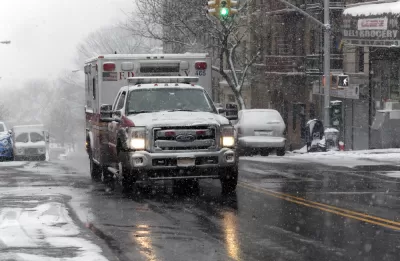
As researchers continue studying the impacts of ride-hailing on travel patterns, public transit, and traffic, a new paper adds to the conversation with the conclusion that Uber is contributing to a drop in ambulance rides across the country. And in this case, at least, the study authors believe Uber is providing a needed service where a good alternative is not necessarily available.
Previous research, Moskatel said, "suggests that a fair number of people are using ambulances to get to the hospital because they simply don't have another way to get there" — particularly those who live in areas with limited taxi service.
And, Slusky added … "For many of us with high-deductible plans, an ambulance ride would cost thousands of dollars.'"
The paper uses data from Uber—the longest operating major ride-hailing company—to track ridership trends in 766 cities in 43 states from 2013 to 2015.
FULL STORY: Uber reduces ambulance usage across the country, study says

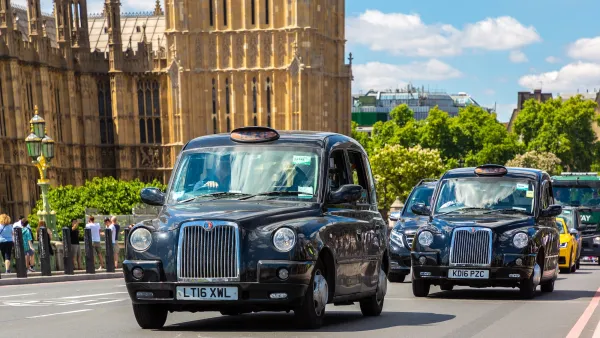
Can Robotaxis Handle London's Famously Tangled Streets?
Black Cab drivers say autonomous cars won’t be able to handle London’s unique conditions.
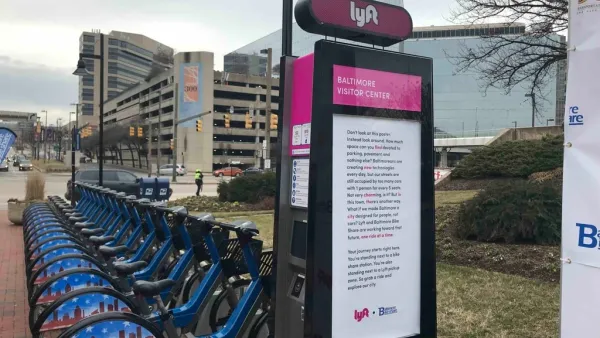
Uber and Lyft: A Tale of Two Companies
After years of resisting efforts by cities to regulate their business and constant—but unprofitable—growth, Uber and Lyft are homing in on their unique strengths.
Study: Uber and Lyft Trips Cost the Planet More Than Trips in Personal Vehicles
The cost of 'deadheading'–the time ride-hailing drivers spend looking for fares–offsets any environmental benefits created by the industry, despite early claims that the apps would reduce congestion and air pollution.

Planetizen Federal Action Tracker
A weekly monitor of how Trump’s orders and actions are impacting planners and planning in America.

The state-sanctioned urbicide of Austin
People don’t kill cities. Freeways do.

US to reduce Colorado River water deliveries to Mexico
A new Colorado Treaty amendment reduces Mexico’s Colorado River water allocation by 250,000 acre feet.

5 New England states march closer to 800 megawatt wind energy project
Securing federal approval for the project may be complicated under the Trump administration, which has historically been hostile towards domestic wind power.

Baltimore to break ground on $50 million Transit Priority Project
The project will bring faster bus trips, safer streets and better bike connections to Baltimore.

Airbnb launches $250 million 'last-dollar financing' housing accelerator, makes first investment in Austin
The company will put $6.4 million towards affordable housing development in Texas’ capital.

FREE Course: Walkable City 1: Why Walkability?
After describing his path towards focusing on walkability as the essence of good planning, Jeff Speck marches through his five principal reasons for making more walkable places.
Reinventing Malls: Planning Alchemy—Turning Gray Fields Into Gold
The course focuses on the opportunities and imperatives that shape reinvention of mall sites.

Eagle County Government
Harvard University Graduate School of Design
Nashville Planning Department
The Architects Foundation
University of Cincinnati Online
The Pocatello Development Authority
The Urban Renewal Agency of the City of Pocatello
Journal of the American Planning Association