What do Rochester, Cedar Rapids, Grand Rapids, and Chattanooga have to do with each other? According to Federal Reserve Banks, they are all examples of cities doing growth right.


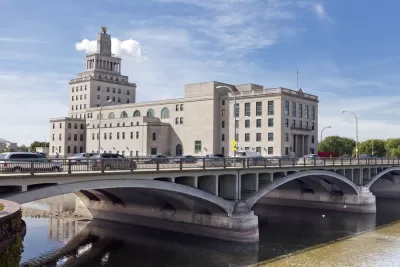
The Federal Reserve banks of Chicago, Atlanta, Boston, and New York released a report on place-based funders. The organization picked several cities to study and traveled to Rochester, New York; Cedar Rapids, Iowa; Grand Rapids, Michigan; and Chattanooga, Tennessee to see practices first hand. These places were picked because they, "…experienced some measure of revitalization in the post Great Recession environment evolved into an understanding that revitalization in these places is moving along two distinct paths: an ‘arc of growth’ and an 'arc of opportunity,'" according to the report.
Among the common strategies found in the report, the group highlighted "[r]evitalizing downtown with greater attention to preserving and increasing affordable housing: Investments in making communities more attractive by building downtown entertainment or “innovation” districts and increasing desirable amenities, raised property values but also increased living costs." It also looked at issues concerning poverty: "Addressing concentrated poverty by place: Interventions in this category were geographically targeted, but multi-faceted and cross-generational. Distressed neighborhoods that were located near resources – for example transportation or a good school – were seen as good places to start."
FULL STORY: How to Make the Great Highway Great Again

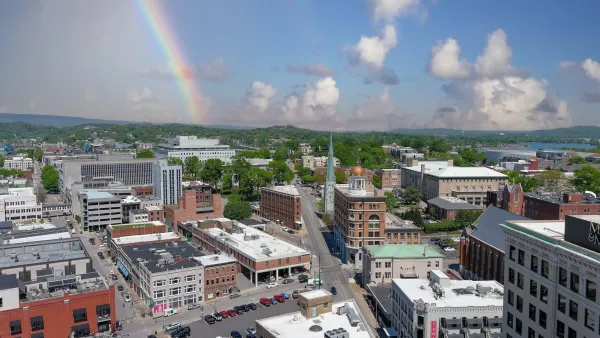
Chattanooga selects churches to build up to 400 affordable homes
Eight churches will move forward with plans to develop housing, from emergency shelter to single-family homes, on their properties.
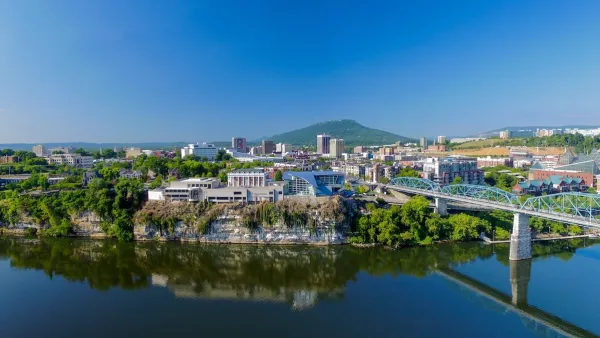
Chattanooga Offers Free Land for Affordable Housing
The city plans to distribute 11 properties to affordable housing builders.
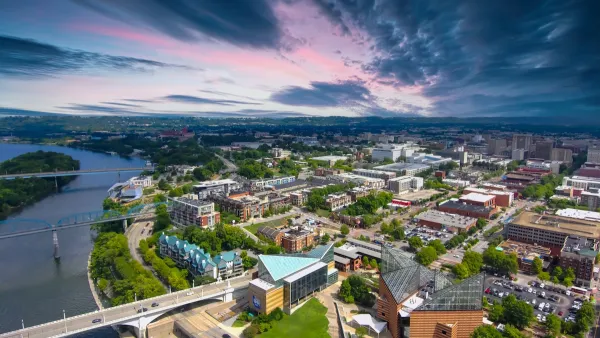
Housing Toolkit Promotes ‘Infill Micro-Housing’
A report developed for Chattanooga and Hamilton County outlines potential small housing types that could easily and affordably fit into existing neighborhoods.

The state-sanctioned urbicide of Austin
People don’t kill cities. Freeways do.

US to reduce Colorado River water deliveries to Mexico
A new Colorado Treaty amendment reduces Mexico’s Colorado River water allocation by 250,000 acre feet.

New Jersey’s second-largest city bans standalone data centers
Jersey City will continue to allow co-location facilities, such as those meant for research institutions that store their own data.

Amtrak not solely to blame for New Jersey commuter rail's unreliability, report finds
A new study from the Garden State Initiative found that NJ Transit’s budget grew 20% across a 4 year period, but reliability declined significantly over the same period.

EPA erases limits on planet-warming pollution from power plants
Under Monday’s plan, power plants would still have some limits on how much mercury, arsenic and other contaminants they can emit.

Phoenix announces new on-demand transit service, more frequent RAPID buses
Both new services will launch in October, and are part of Phoenix's Project Effective Access Solutions for Easing Congestion.

FREE Course: Walkable City 1: Why Walkability?
After describing his path towards focusing on walkability as the essence of good planning, Jeff Speck marches through his five principal reasons for making more walkable places.
Reinventing Malls: Planning Alchemy—Turning Gray Fields Into Gold
The course focuses on the opportunities and imperatives that shape reinvention of mall sites.

Eagle County Government
Harvard University Graduate School of Design
Nashville Planning Department
The Architects Foundation
University of Cincinnati Online
The Pocatello Development Authority
The Urban Renewal Agency of the City of Pocatello
Journal of the American Planning Association