On the one hand, the city of Portland is facing pressure to add new housing and development to meet the needs of a growing population and an expensive real estate market. On the other hand, change is never easy.


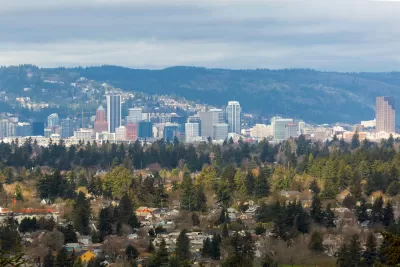
"Portland's past and future collided at the City Council last Wednesday," reports Jim Redden.
"At issue was the proposed construction of new six-story apartment building in a part of town where the council has encouraged growth, inner Southeast Portland," according to Redden.
The development proposal ran into trouble because of its proximity to two historic Victorian homes on the same block. The ensuing controversy led to five hearings by the city's Design Review Commission, compromises by the developer, and, finally, a failed appeal to the City Council. Those process setbacks have occurred despite the developers insistence that the proposal meets the city's land use policies.
Portland Mayor Ted Wheeler summed up the difficulties raised by this development project during the council hearing on the appeal. In his own words: "This is almost the perfect storm of old Portland and the future….Two worlds are colliding. It's a historic neighborhood, but in a city that's in high transition."
The article includes more of the political dynamics of the development process in Portland, both generally and with regard to this specific project.
Read the full story: Council kicks Ankeny Apartments back to developer, PDC
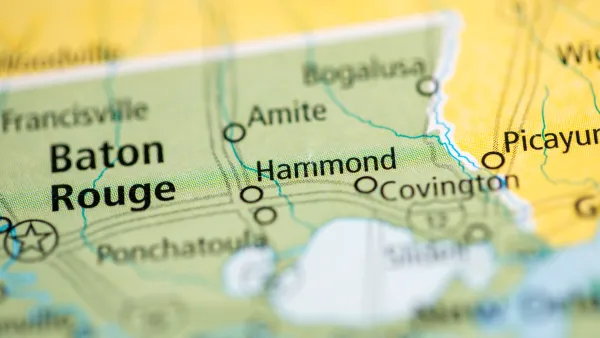
Louisiana City Halts Multi-Family Housing Construction Due to Infrastructure Concerns
The Hammond City Council has paused multi-family development approvals while it studies ways to improve the city's infrastructure.
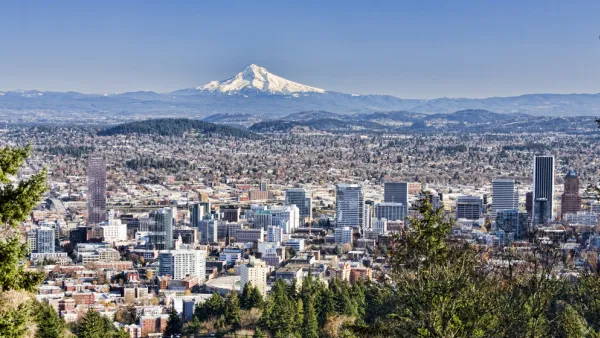
Portland: Homes for Everyone, or Not in My Neighborhood
Even progressive Portland wrestles with conservatism when it comes to housing in single-family neighborhoods
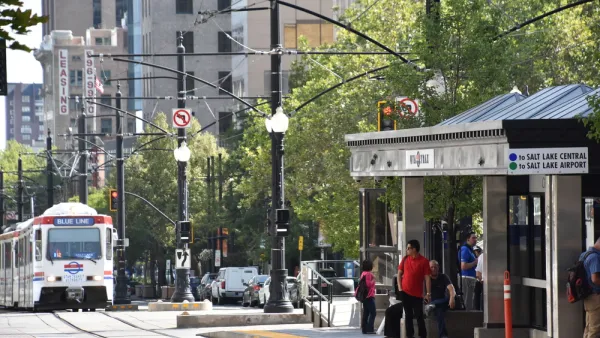
Buslash in Salt Lake City
New bus routes planned for Salt Lake City have provoked a vocal political opposition.

Planetizen Federal Action Tracker
A weekly monitor of how Trump’s orders and actions are impacting planners and planning in America.

California plans to bury El Niño’s downpour
If the state plays its cards right, it may be able to store a billion acre-feet of El Niño’s water in aquifers.

Desperate measures: Advocates weigh draining Lake Powell to fill Colorado River
Draining the reservoir could reduce evaporation losses by a couple hundred thousand acre-feet.

Mamdani’s pied-à-terre tax survives legal challenge
A panel of judges found that the plaintiffs failed to demonstrate injury as a result of New York City's implementation of the tax.

Eastern Nebraska is running out of electricity
Data centers and electrification are straining eastern Nebraska’s grid, throttling economic development.

Seattle passes record-breaking transit services expansion
Proposition 1 will double the city’s transit tax to add 95,000 more bus trips and preserve 180,000 bus trips annually.

FREE Course: Walkable City 1: Why Walkability?
After describing his path towards focusing on walkability as the essence of good planning, Jeff Speck marches through his five principal reasons for making more walkable places.
Reinventing Malls: Planning Alchemy—Turning Gray Fields Into Gold
The course focuses on the opportunities and imperatives that shape reinvention of mall sites.

City of Rosemead
Rutgers University, Edward J. Bloustein School of Planning and Public Policy
One Hundred Miles
University of Michigan School for Environment and Sustainability (SEAS)
Hunter College, City University of New York (CUNY)
The Architects Foundation
City of Cambridge
Montrose County
The Pocatello Development Authority