A large swatch of downtown and an adjacent neighborhood can develop taller and denser after the Seattle City Council approved zoning changes this week.


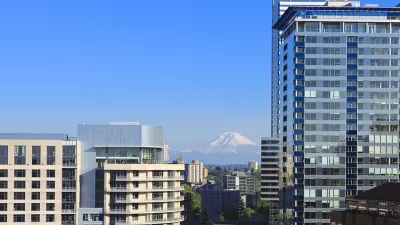
"The Seattle City Council voted 9-0 Monday to approve an upzone of downtown and South Lake Union," reports Daniel Beekman.
Under the rezoning, new developments will be required to include rent-controlled units or pay in-lieu fees, according to the regulations put forth in the city's Mandatory Housing Affordability program. The downtown and South Lake Union zoning changes are calibrated to create an estimated 2,100 rent-restricted units.
While this rezoning is taking place in the urban core of the city, many other neighborhoods should expect similar zoning changes in the near future. "The upzone is the second of more than two dozen that Mayor Ed Murray wants the council to approve this year and next," adds Beekman. "He says the upzones and MHA program can create 6,000 rent-restricted units over 10 years."
Hat tip to Antonio Pacheco for sharing the news of the upzoning decision.
Read the full story: Taller buildings coming: Seattle council approves upzone in downtown, South Lake Union
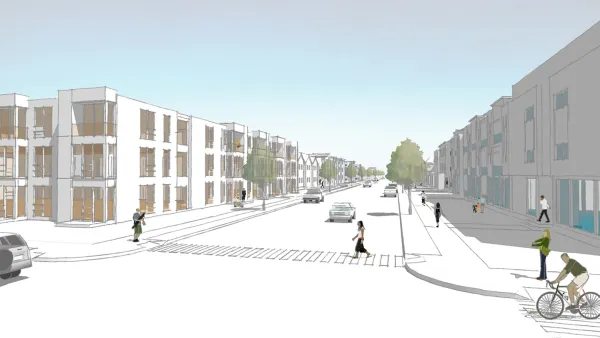
Which Cities Are Upzoning?
A recent study surveyed 800 jurisdictions in 50 U.S. metropolitan areas to quantify the amount of change in zoning regulations throughout the 21st century so far.
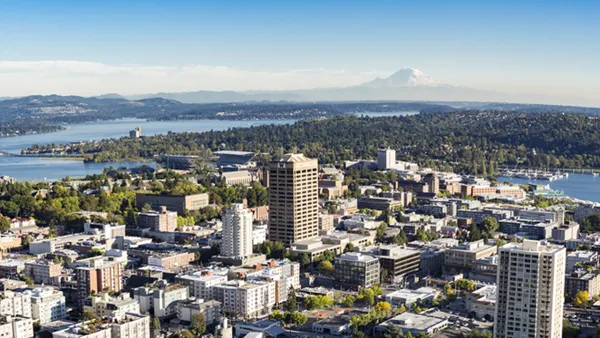
Seattle Councilmember Calls for Transit-Oriented Density
Seattle Councilmember Abel Pacheco writes on opinion piece for The Urbanist to make the case for transit-oriented density on The Ave in the city's University District.
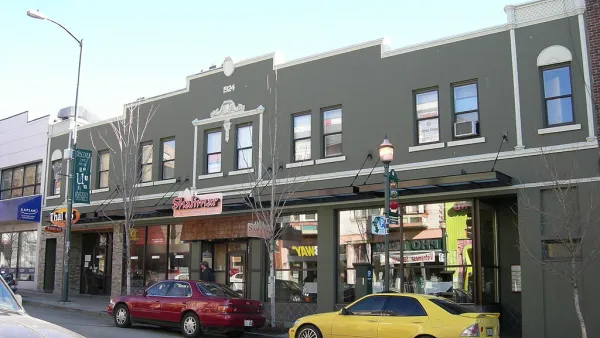
Debating the Future of One of Seattle's Pedestrian-Friendly Gems
The corridor along University Way is currently exempt from the wave of upzoning implemented by the city's Mandatory Housing Affordability program, but that exemption is only temporary.

Planetizen Federal Action Tracker
A weekly monitor of how Trump’s orders and actions are impacting planners and planning in America.

California plans to bury El Niño’s downpour
If the state plays its cards right, it may be able to store a billion acre-feet of El Niño’s water in aquifers.

Desperate measures: Advocates weigh draining Lake Powell to fill Colorado River
Draining the reservoir could reduce evaporation losses by a couple hundred thousand acre-feet.

Los Angeles just elected an urban planner as its mayor
Transportation analysts are optimistic that Raman will be more aggressive in addressing transit issues than Bass.

Mamdani’s pied-à-terre tax survives legal challenge
A panel of judges found that the plaintiffs failed to demonstrate injury as a result of New York City's implementation of the tax.

Eastern Nebraska is running out of electricity
Data centers and electrification are straining eastern Nebraska’s grid, throttling economic development.

FREE Course: Walkable City 1: Why Walkability?
After describing his path towards focusing on walkability as the essence of good planning, Jeff Speck marches through his five principal reasons for making more walkable places.
Reinventing Malls: Planning Alchemy—Turning Gray Fields Into Gold
The course focuses on the opportunities and imperatives that shape reinvention of mall sites.

City of Rosemead
Rutgers University, Edward J. Bloustein School of Planning and Public Policy
One Hundred Miles
University of Michigan School for Environment and Sustainability (SEAS)
Hunter College, City University of New York (CUNY)
The Architects Foundation
City of Cambridge
Montrose County
The Pocatello Development Authority