By purchasing 954 acres of forested land, the Bernheim Arboretum and Research Forest has added to its swath of the map in the neighborhood of Louisville and Fort Knox.


"In an action designed to help conserve a bat population facing depletion by disease and lost habitat, Bernheim Arboretum and Research Forest has annexed a 954-acre wooded plateau for $1.4 million," reports Sheldon S. Shafer in Louisville. The addition is the largest addition to the Bernheim Arboretum and Research Forest since its creation in 1928. "The new land — mostly a mesa called the Big Level — brings the Bernheim holdings near Clermont to 15,625 acres," adds Shafer.
Funding for the purchase came from grants administered by the U.S. Fish & Wildlife Service's Imperiled Bat Conservation Fund. Eventually, the land will be open for guided hikes and educational programs, but will be mostly restricted to access for researchers.
The issue of habitat protection for bats is important in this part of the country. Bats feed on moths and insects that pose a threat to crops. The new land is home to 12 species of bat, according to Shafer, "[i]ncluding the Indiana bat that is a federally endangered species and the northern long-eared bat that is threatened."
FULL STORY: Bernheim Forest makes major land acquisition to protect bats

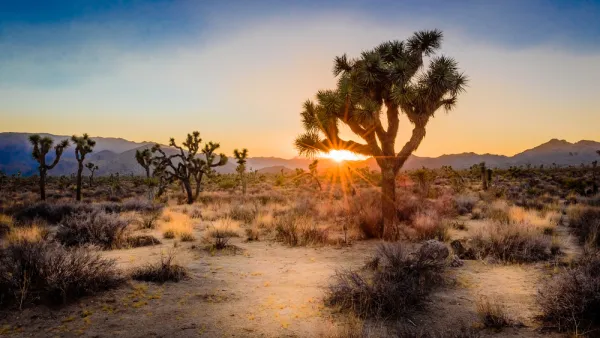
Desert Species, Endangered by Climate Change and Renewable Energy, Create Controversy
The wind strewn and sunny parts of California are home to many species threatened both by climate change and renewable energy facilities like wind and solar power facilities. What is an environmentalist to do?
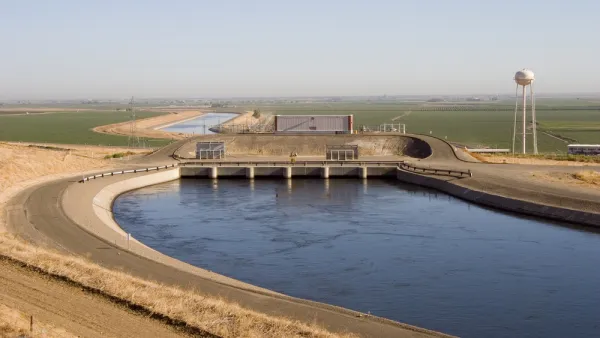
Trump Administration's New CA Water Plan Chooses Farmers Over Fish
A plan to divert water to farmers in California, released at the end of October, would allow for the annihilation of winter-run Chinook Salmon.
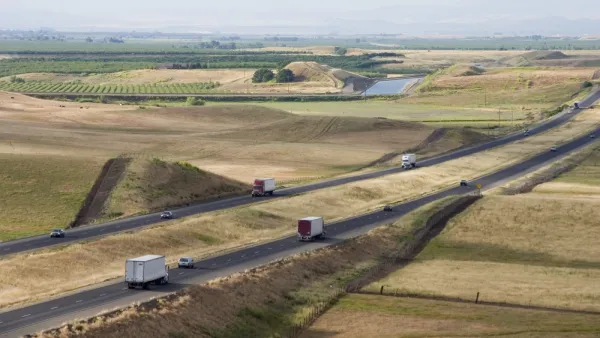
Trump Administration Finds a Way to Divert California Water to Farmers
A new federal program will clear the way for more water to be delivered to the state of California's agriculture industry, overruling environmental safeguards that protected fish.

Planetizen Federal Action Tracker
A weekly monitor of how Trump’s orders and actions are impacting planners and planning in America.

The state-sanctioned urbicide of Austin
People don’t kill cities. Freeways do.

US to reduce Colorado River water deliveries to Mexico
A new Colorado Treaty amendment reduces Mexico’s Colorado River water allocation by 250,000 acre feet.

5 New England states march closer to 800 megawatt wind energy project
Securing federal approval for the project may be complicated under the Trump administration, which has historically been hostile towards domestic wind power.

Baltimore to break ground on $50 million Transit Priority Project
The project will bring faster bus trips, safer streets and better bike connections to Baltimore.

Airbnb launches $250 million 'last-dollar financing' housing accelerator, makes first investment in Austin
The company will put $6.4 million towards affordable housing development in Texas’ capital.

FREE Course: Walkable City 1: Why Walkability?
After describing his path towards focusing on walkability as the essence of good planning, Jeff Speck marches through his five principal reasons for making more walkable places.
Reinventing Malls: Planning Alchemy—Turning Gray Fields Into Gold
The course focuses on the opportunities and imperatives that shape reinvention of mall sites.

Eagle County Government
Harvard University Graduate School of Design
Nashville Planning Department
The Architects Foundation
University of Cincinnati Online
The Pocatello Development Authority
The Urban Renewal Agency of the City of Pocatello
Journal of the American Planning Association