The Eugene City Council enacted a 'trial dog ban' in downtown to protect public safety after complaints of aggressive dogs.



Christian Hill of The Register Guard reports that the Eugene City Council has approved a ban on dogs in parts of downtown as part of a trial run expected to last through November 1. The dog ban ordinance was approved on a 6-2 vote, with the dissenting votes coming from councilors who argued that the ban was a way to exclude many of the homeless who owned dogs from downtown. In February, a consultant hired by the city to work on improving public spaces declared that the homeless problem in Eugene was at a crisis level.
Councilor Chris Pryor said he’s heard of people and other animals attacked by dogs downtown. He noted that the ordinance is modeled after a successful dog ban in effect for the East 13th Avenue commercial strip next to the University of Oregon.
“I’m not using dogs as a way to get rid of people I don’t like downtown,” he said. “That’s not my goal here.”
But the two dissenting councilors argued that was precisely the goal.
“It does exclude homeless people because they have nowhere to leave their dog,” [Councilor Emily Semple] said. “They can’t abandon it; it’s companionship, protection and warmth.”
Hill reports that violators of the ban will be fined $250, although changes were made to the ordinance to allow dogs in front of a homeless services facility that provides free meals. The ordinance also has exemptions for service dogs, police dogs and dogs that belong to residents of downtown.
Read the full story: Eugene council bans dogs from downtown but snuffs out anti-smoking measure

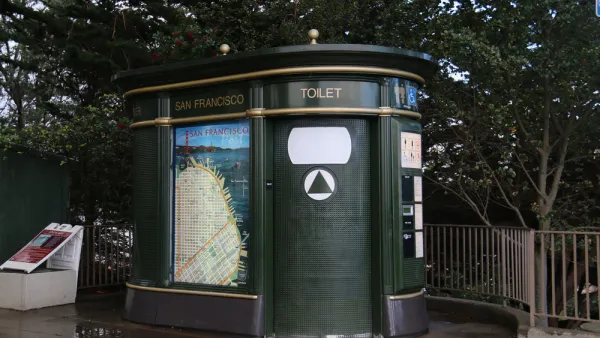
San Francisco Taking a Proactive Approach to Poop
The problem of feces in the public realm is rampant in San Francisco, so the city is launching a new "Poop Patrol."
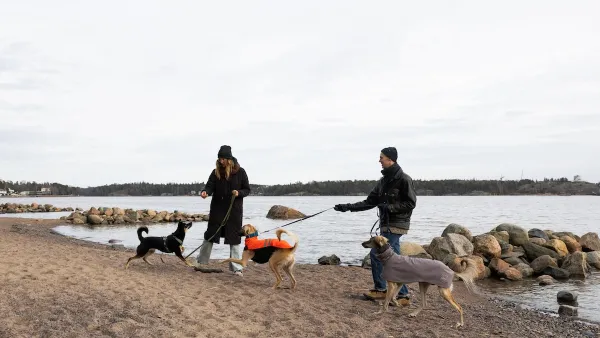
Sunday Smile: Helsinki Opens Sightseeing Route for Dogs
The Finnish capital is one of the world's most dog-friendly cities, with over 90 dedicated dog parks.

Seattle Transit Asked to Clarify Pet Policy
A major dog park near a new light rail stop is prompting calls to update and clarify rules for bringing pets on Seattle-area transit systems.

Planetizen Federal Action Tracker
A weekly monitor of how Trump’s orders and actions are impacting planners and planning in America.

The state-sanctioned urbicide of Austin
People don’t kill cities. Freeways do.
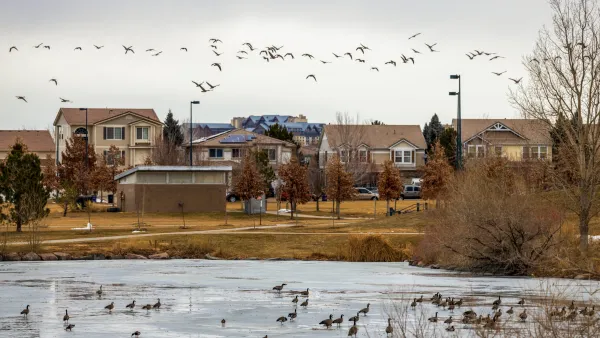
Colorado’s Largest Data Center Could Rise Next to Homes — Without a Public Hearing
The proposed campus would consume 11 times the power of Denver International Airport; as it has across the country, opposition mounts.

Judges permit Denver to divert 77,000 acre feet from the Colorado River for reservoir expansion
Overuse and climate change have caused the Colorado River’s water levels to plummet.
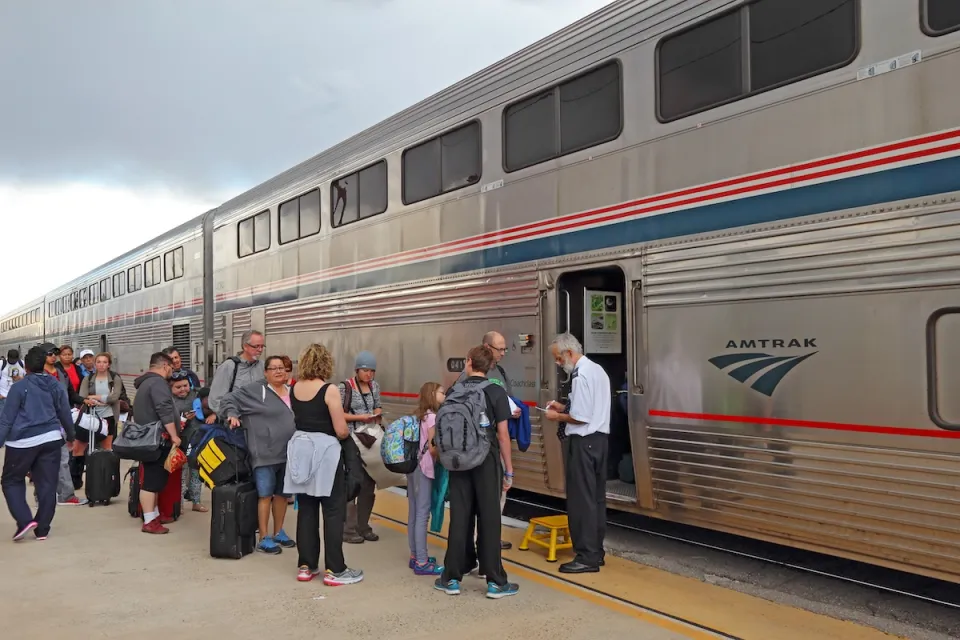
Amtrak, CN end decades-long dispute with eight-year agreement
The new operating agreement establishes an updated framework for the companies to work together, including processes to resolve disputes.

Raised interest rates may kill financially vulnerable construction projects
The chief economist at ConstructConnect warns that if construction project owners are negatively impacted by the raised rates, it could result in delayed payments to contractors.

FREE Course: Walkable City 1: Why Walkability?
After describing his path towards focusing on walkability as the essence of good planning, Jeff Speck marches through his five principal reasons for making more walkable places.
Reinventing Malls: Planning Alchemy—Turning Gray Fields Into Gold
The course focuses on the opportunities and imperatives that shape reinvention of mall sites.

KFH Group Inc.
Greater Baltimore Committee
Eagle County Government
The Architects Foundation
University of Cincinnati Online
The Pocatello Development Authority
The Urban Renewal Agency of the City of Pocatello