Only one area college, American University, was quick to sign up to participate in the WMATA's University Ride Pass program.


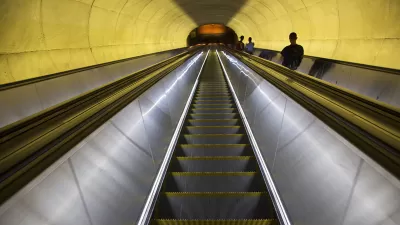
Eve Zhurbinskiy checks in on the University Ride Pass program administered by the Washington Metropolitan Area Transit Authority since February 2016, finding that few colleges have chosen to participate.
Though the University Ride Pass "allows college students to take unlimited rides on Metrorail and Metrobus for $1 a day at participating schools," only one school in the area, American University, has signed up for the program.
Students pay for the pass "in the form of a mandatory fee as part of their tuition and housing package at the beginning of the semester," explains Zhurbinskiy. The fee structure for the program makes financial aid available to cover the cost, which totals $130 per student, per semester.
On the one hand, students a schools like George Washington University (where Zhurbinskiy is a student) have encountered institutional hurdles to approving the pass despite support from students for the program. The article digs more into the institutional hurdles holding up approval of the program, especially at George Washington University. On the other hand, the president of the student government at Catholic University vetoed a resolution in support of the program, "after expressing concerns about cost and security liability."
FULL STORY: Why aren’t more colleges using Metro’s discount student pass program?

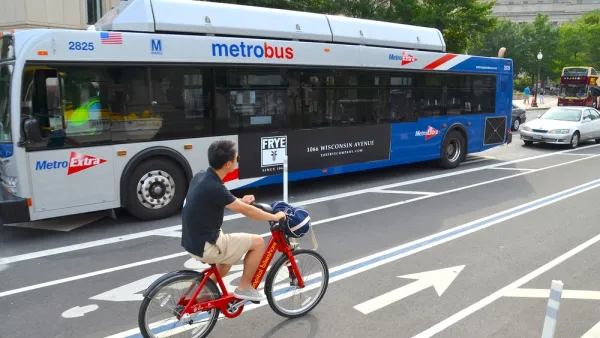
Report Lays Out a New Path for Bus Service in the D.C. Region
Ridership on the WMATA bus system, down an estimated 13 percent between 2012 and 2017, will need drastic innovations to reverse, according to a new report by the Bus Transformation project.
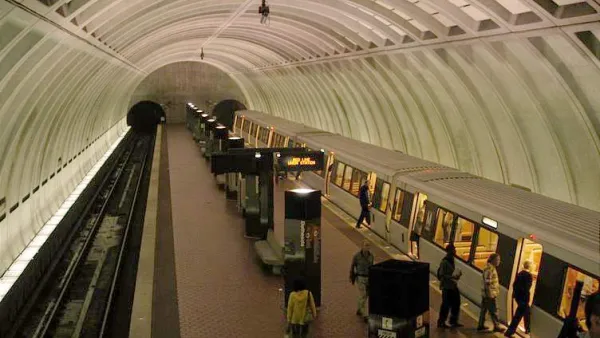
Density Increases Near Transit Station in D.C. But Ridership Does Not
D.C.'s ridership is down even as density around stations is up. More residents are choosing to drive or bike.
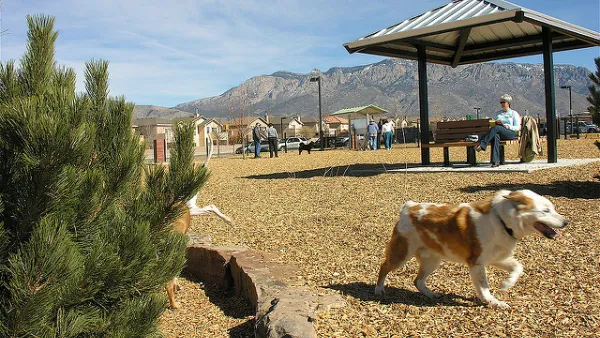
Opinion: Dog Parks Aren't a Priority in a Housing Crisis
"Should DC spend about $2 million on a parcel of land in Columbia Heights to build a dog park?"

Planetizen Federal Action Tracker
A weekly monitor of how Trump’s orders and actions are impacting planners and planning in America.

The state-sanctioned urbicide of Austin
People don’t kill cities. Freeways do.

US to reduce Colorado River water deliveries to Mexico
A new Colorado Treaty amendment reduces Mexico’s Colorado River water allocation by 250,000 acre feet.

5 New England states march closer to 800 megawatt wind energy project
Securing federal approval for the project may be complicated under the Trump administration, which has historically been hostile towards domestic wind power.

Baltimore to break ground on $50 million Transit Priority Project
The project will bring faster bus trips, safer streets and better bike connections to Baltimore.

Airbnb launches $250 million 'last-dollar financing' housing accelerator, makes first investment in Austin
The company will put $6.4 million towards affordable housing development in Texas’ capital.

FREE Course: Walkable City 1: Why Walkability?
After describing his path towards focusing on walkability as the essence of good planning, Jeff Speck marches through his five principal reasons for making more walkable places.
Reinventing Malls: Planning Alchemy—Turning Gray Fields Into Gold
The course focuses on the opportunities and imperatives that shape reinvention of mall sites.

Eagle County Government
Harvard University Graduate School of Design
Nashville Planning Department
The Architects Foundation
University of Cincinnati Online
The Pocatello Development Authority
The Urban Renewal Agency of the City of Pocatello
Journal of the American Planning Association