The city of 108,000 is preparing for major growth in the next 20 years.


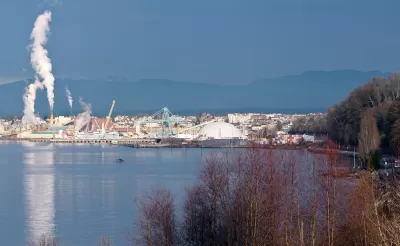
Stephen Fesler reports on the details of major downtown area master planning effort for the city of Everett, Washington. The Metro Everett plan "is taking a broad look at how the urban core of Everett will grow a district over the next twenty years," writes Fesler.
The city, located north of Seattle, is expecting to grow from 108,000 residents to 168,000 residents in the next 20 years, so the downtown plan targets 8,000 to 13,000 of those new residents moving to the Metro Everett plan area. That would grow the current residential population of the plan area from 6.5 percent to 12 percent of the city's total.
Fesler examines the Metro Everett plan at the level of zoning, recommending adjustments to allow for infill development. Fesler also looks at the list of strategies currently informing the planning process and the plan's focus on transit.
Read the full story: Everett Is Developing A Bold Downtown Area Plan

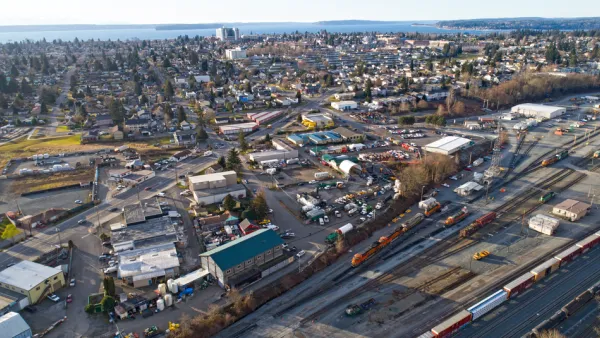
Everett's New Downtown Plan
Digging into the city of Everett's recent overhaul of its zoning and development regulations in Downtown and adjacent neighborhoods.
Everett's New Downtown Plan Ready for Scrutiny
A public hearing offers a chance to analyze the zoning changes proposed by the "Metro Everett" downtown plan.
Citywide Zoning Reform Approved in Everett
Few cities are accomplishing such a swift and sweeping overhaul of its land use regulations as Everett, Washington, which just wrapped up its second major planning initiative in as many years on its way to launching a third.

Planetizen Federal Action Tracker
A weekly monitor of how Trump’s orders and actions are impacting planners and planning in America.

Amtrak, CN end decades-long dispute with eight-year agreement
The new operating agreement establishes an updated framework for the companies to work together, including processes to resolve disputes.

Northwest rail fans eager for Sept. 30 debut of Amtrak’s Airo fleet
Get ready for that new train smell and more seats. But they won’t go faster or run more frequently on the Cascades route in Washington and Oregon.

LAX SkyLink opening delayed again, contractor won’t commit to new deadline
The project was supposed to open its doors to the public in 2023.

Caltrain may slash over one-third of its stations
If Bay Area voters reject two transit tax measures, Caltrain, BART and AC Transit will see steep service cuts.

A 'dangerous' precedent: North Carolina successfully pressures communities into voting for toll roads
Two mayors resigned from the Charlotte Regional Transportation Planning Organization after it voted in favor of the toll roads.

FREE Course: Walkable City 1: Why Walkability?
After describing his path towards focusing on walkability as the essence of good planning, Jeff Speck marches through his five principal reasons for making more walkable places.
Reinventing Malls: Planning Alchemy—Turning Gray Fields Into Gold
The course focuses on the opportunities and imperatives that shape reinvention of mall sites.

City of Thousand Oaks
City of Wisconsin Rapids
Harvard University Graduate School of Design
The Architects Foundation
University of Cincinnati Online
The Pocatello Development Authority
The Urban Renewal Agency of the City of Pocatello