Home builders are figuring out that there is plenty of demand for healthy systems in home construction. This article even says that healthy homes are the "next big thing."


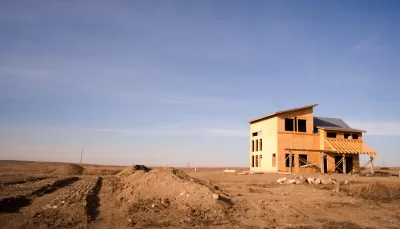
Ryan Griggs Lawrence explains some of the new health practices adopted by home builders around the United States.
Across the country, home builders large and small are working to determine whether healthy building standards are important for their buyers. Many building pros have been reluctant to offer health and wellness features because they think they will cost more, interfere with schedules and budgets, and lead to conversations with clients about things they don’t understand. But builders who have already stepped into the healthy home arena say these concerns are becoming non-issues.
Among those standards, 800 homebuilders have already adopted the EPA's voluntary Indoor airPLUS certification program. There are also already product certifications like Greenguard, Cradle to Cradle, and the International Living Future Institute’s Declare label.
The article includes tips based on the experience of early adopter home builders in how to see the health-focused modifications, which come with extra costs and can be confused by overuse of jargon. Left out of the discussion, however, is any mention of cities or communities were the building code requires these improvements for new construction or renovations.
Read the full story: THE NEXT BIG THING: HEALTHY HOMES
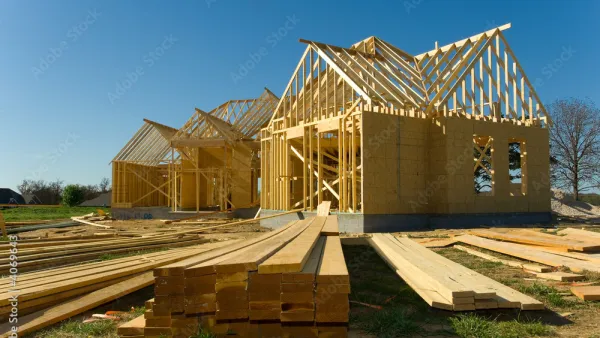
Post-Pandemic Home Building Trends: More Bedrooms, Smaller Homes
U.S. homes are adding bedrooms while getting smaller, according to two seemingly contradictory articles published on the same day from different data sources earlier this month.
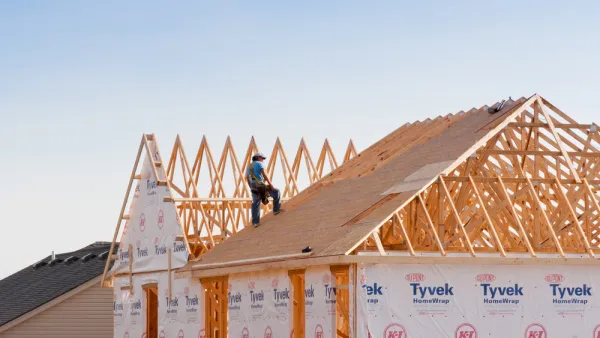
Housing Construction More and More Frequently the Product of Two Companies
The history of U.S. housing construction has traditionally been the story of many companies building a few homes a year. Now two companies alone are out-building the rest of the top ten homebuilders combined.
Single-Family Homes Appearing Faster Than Any Year Since 2006
The housing construction market is responding to strong demand with a glut of new single-family homes.

Planetizen Federal Action Tracker
A weekly monitor of how Trump’s orders and actions are impacting planners and planning in America.

California plans to bury El Niño’s downpour
If the state plays its cards right, it may be able to store a billion acre-feet of El Niño’s water in aquifers.

Desperate measures: Advocates weigh draining Lake Powell to fill Colorado River
Draining the reservoir could reduce evaporation losses by a couple hundred thousand acre-feet.

Los Angeles just elected an urban planner as its mayor
Transportation analysts are optimistic that Raman will be more aggressive in addressing transit issues than Bass.

Mamdani’s pied-à-terre tax survives legal challenge
A panel of judges found that the plaintiffs failed to demonstrate injury as a result of New York City's implementation of the tax.

Eastern Nebraska is running out of electricity
Data centers and electrification are straining eastern Nebraska’s grid, throttling economic development.

FREE Course: Walkable City 1: Why Walkability?
After describing his path towards focusing on walkability as the essence of good planning, Jeff Speck marches through his five principal reasons for making more walkable places.
Reinventing Malls: Planning Alchemy—Turning Gray Fields Into Gold
The course focuses on the opportunities and imperatives that shape reinvention of mall sites.

City of Rosemead
Rutgers University, Edward J. Bloustein School of Planning and Public Policy
One Hundred Miles
University of Michigan School for Environment and Sustainability (SEAS)
Hunter College, City University of New York (CUNY)
The Architects Foundation
City of Cambridge
Montrose County
The Pocatello Development Authority