A Dallas News op-ed argues for a repackaging of the Dallas' ongoing open space and park investments to properly acknowledge the scale of the city's accomplishments.


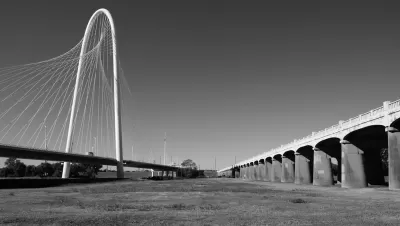
"Dallas is about to become known as one of America's greenest cities, with America's largest urban nature park, and almost no one knows about it," writes Stephen S. Smith.
Smith describes the city's various nature-oriented projects as pieces of a puzzle—under appreciated because of the many separate agencies and entities working on the projects. All of the projects, however, are focused on the Trinity River Corridor, explains Smith, spreading "from where the main stem of the Trinity River starts, just upstream from the Mockingbird-Westmoreland bridge, and goes all the way down to where the river crosses Interstate 20 at Dallas' southern city limit."
Smith says all the disconnected projects will soon come together to create the Nature District, which will eventually total 10,000 acres, or ten times the size of New York's Central Park. Once the work is done, writes Smith, Dallas will benefit from amenities for lovers of birds, horses, golf, lakes, and more.
Read the full story: Dallas is about to have America's largest urban nature park -- surprised?

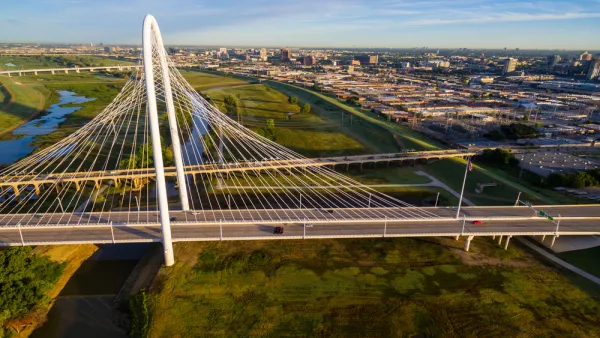
First Look at the Planned Trinity Park in Dallas
Dreams look a lot more like reality this week in Dallas.
10 of America's Most Beautiful Parks
With the pandemic, people need to see and experience beauty, nature, and parks more than ever. Learn more about some of America's urban oases.
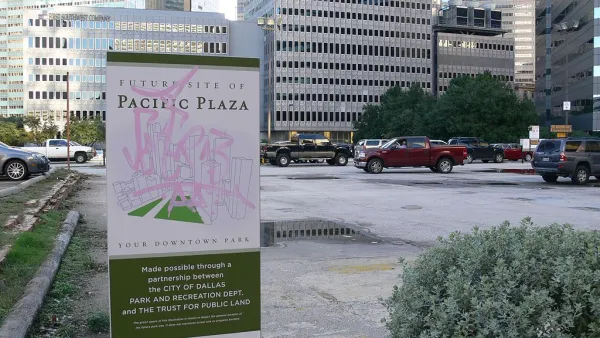
From Parking Lot to Urban Green Space
The first of four new parks opening in Dallas in the next few years opened earlier this month—Pacific Plaza park.

Planetizen Federal Action Tracker
A weekly monitor of how Trump’s orders and actions are impacting planners and planning in America.

California plans to bury El Niño’s downpour
If the state plays its cards right, it may be able to store a billion acre-feet of El Niño’s water in aquifers.

Chicago breaks ground on $3 billion megadevelopment
The new neighborhood, titled Foundry Park, will one day host 3,700 residences.

Satanic Place Names
From streams and lakes to valleys and canyons, I mapped more than 1,000 places named after the Devil.

California High-Speed Rail Authority CEO resigns after $600,000 scandal
Under Ian Choudri, the authority used taxpayer dollars to fund first class flights and trips to nightclubs.

Want to study the Missouri River? Soon, you may need unanimous approval from 10 states
Legislation would require 10 governors’ permission to study or build projects moving water outside the basin.

FREE Course: Walkable City 1: Why Walkability?
After describing his path towards focusing on walkability as the essence of good planning, Jeff Speck marches through his five principal reasons for making more walkable places.
Reinventing Malls: Planning Alchemy—Turning Gray Fields Into Gold
The course focuses on the opportunities and imperatives that shape reinvention of mall sites.

City of Rosemead
Rutgers University, Edward J. Bloustein School of Planning and Public Policy
One Hundred Miles
Hunter College, City University of New York (CUNY)
The Architects Foundation
University of Cincinnati Online
City of Cambridge
Montrose County
The Pocatello Development Authority