It's getting a lot cheaper to install solar power, and a lot easier to imagine a solar-powered future.


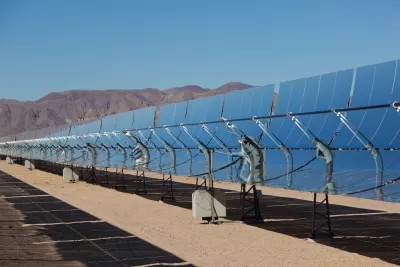
"The installed price of solar energy has declined significantly in recent years as policy and market forces have driven more and more solar installations," reports Robert Fares.
Now, the latest data show that the continued decrease in solar prices is unlikely to slow down anytime soon, with total installed prices dropping by 5 percent for rooftop residential systems, and 12 percent for larger utility-scale solar farms. With solar already achieving record-low prices, the cost decline observed in 2015 indicates that the coming years will likely see utility-scale solar become cost competitive with conventional forms of electricity generation.
Flores cites data from two Lawrence Berkeley National Laboratory reports (Tracking the Sun IX and Utility-Scale Solar 2015), which show the cost of solar, in all its forms, declining significantly since 2010. Interestingly, the price of solar panels has remained relatively flat since 2012, but "installed cost" includes everything from electronics to hardware to the installation process. One component contributing significantly to the installed cost of solar units: inverters that convert DC power fro the panels to AC power for the grid.
Flores also identifies a specific finding from the reports as the "most interesting." The reports find falling prices for power purchase agreements (PPAs). The price of a solar PP fell to $50 per megawatt-hour in 2015. As Flores notes, that price is quickly approaching the $30 to $40 per megawatt-hour threshold set by the average market price of electricity.
Read the full story: The Price of Solar Is Declining to Unprecedented Lows
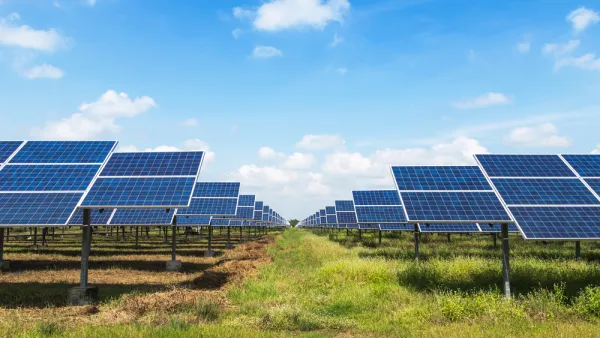
Solar Industry Growing Fast, but is Hampered by Aging Grid
One of solar’s biggest challenges is getting the energy where it needs to go.

Tampa Pilots Solar Sidewalks
The city is testing solar panels embedded in sidewalks as a backup power supply for traffic lights.
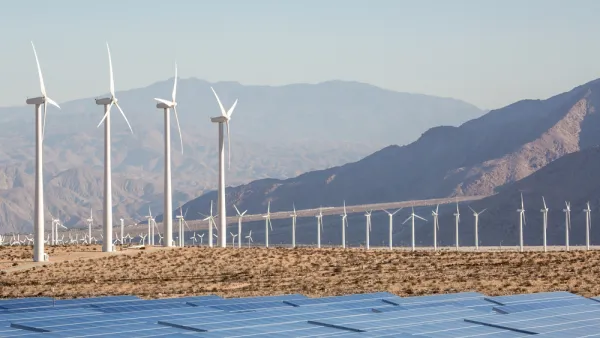
Renewable Energy Powers Entire State of California—for a Few Minutes
Last Saturday afternoon, thanks to a combination of high production and reduced consumption, California’s power needs were met almost entirely by renewable energy sources.

Planetizen Federal Action Tracker
A weekly monitor of how Trump’s orders and actions are impacting planners and planning in America.

Eastern Nebraska is running out of electricity
Data centers and electrification are straining eastern Nebraska’s grid, throttling economic development.

Move over, LA: St. Louis gears up for Olympics, invests millions in downtown redevelopment
The Missouri city will host the 2028 Olympic soccer group stage and knockout matches.

Dallas releases zoning code overhaul to officials
The drafted overhaul is over 400 pages long.

NYC renovations for dangerous, ‘mercilessly crammed’ street delayed until 2027
Construction was supposed to begin this fall.

San Diego’s Midway Rising project gets greenlight from city council
The project looks to become the largest affordable housing development in California's history.

FREE Course: Walkable City 1: Why Walkability?
After describing his path towards focusing on walkability as the essence of good planning, Jeff Speck marches through his five principal reasons for making more walkable places.
Reinventing Malls: Planning Alchemy—Turning Gray Fields Into Gold
The course focuses on the opportunities and imperatives that shape reinvention of mall sites.

City of Rosemead
Rutgers University, Edward J. Bloustein School of Planning and Public Policy
One Hundred Miles
University of Michigan School for Environment and Sustainability (SEAS)
Hunter College, City University of New York (CUNY)
The Architects Foundation
City of Cambridge
The Pocatello Development Authority
The Urban Renewal Agency of the City of Pocatello