"Cities Alive," an attractive new report by Arup, one of the world's largest engineering firm, highlights the significant social, economic, environmental and political benefits of walking.


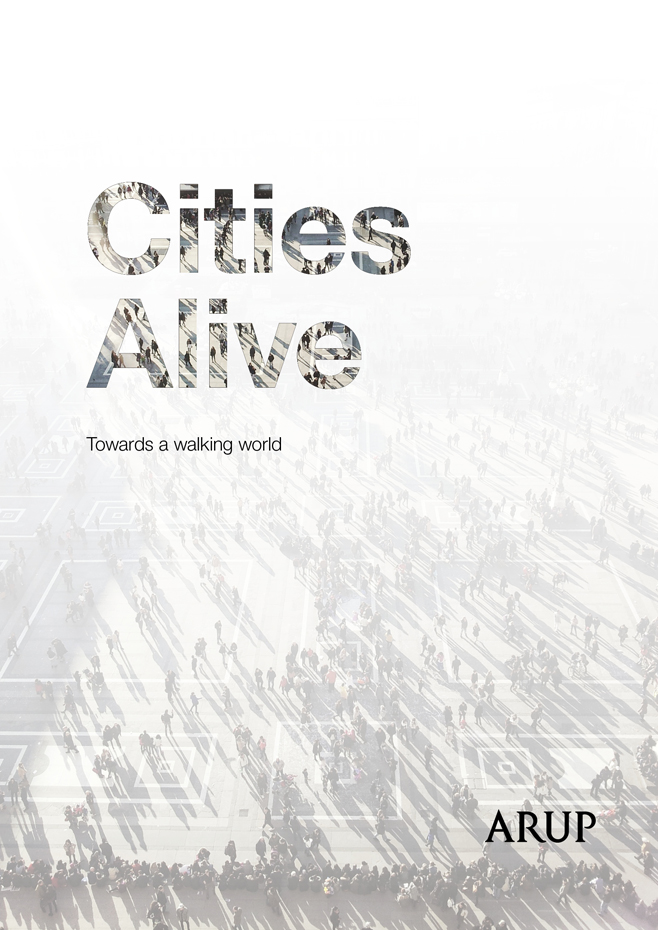
The new free report, Cities Alive, by Arup, one of the world's largest engineering and planning firms, describes why and how to create more walkable cities. Informed by specialist insight and multidisciplinary expertise from across their global offices, the report highlights 50 benefits of walking explored through 16 distinct indicative themes, and lists 40 actions that city leaders can consider to improve walking policy, strategy and design. These are informed by a catalogue of 80 international case studies that will inspire action and further aid cities in identifying and evaluating opportunities. It is a terrific, attractive document.
This is an example of the shift among professional organizations toward more comprehensive and multi-modal transport planning, which is particularly important in developing country cities where the costs of automobile dependency are particularly high, and most households will never own automobiles.
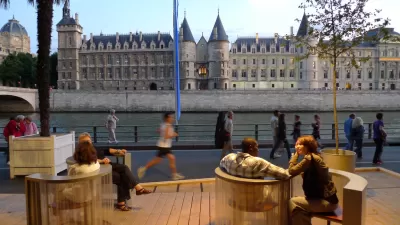
“...I truly believe that if you can change the street, you can change the world.” —Janette Sadik-Khan, Commissioner of the New York City Department of Transportation from 2007 to 2013
Read the full story: Cities Alive: Towards a Walking World
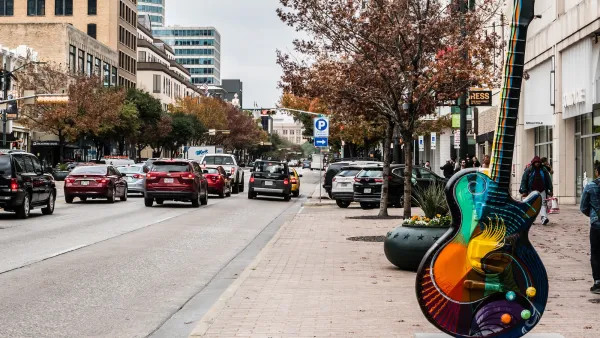
Austin Kicks off Multimodal Congress Avenue Redesign
The Congress Avenue Urban Design Initiative is bringing new pedestrian infrastructure and ‘storefront activation zones’ to the popular street.
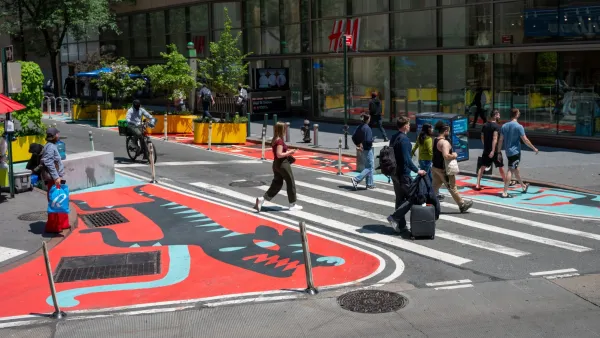
See Downtown Brooklyn’s Dramatic Complete Streets Transformation
A streetscape redesign spearheaded by the Downtown Brooklyn Partnership has quickly made many of Brooklyn’s streets unrecognizable.
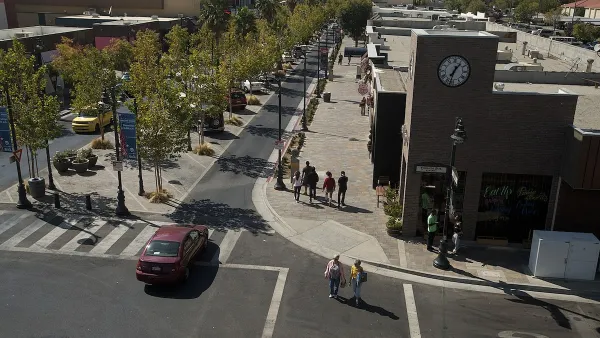
The Vast Potential of the Right-of-Way
One writer argues that the space between two building faces is the most important element of the built environment.

Planetizen Federal Action Tracker
A weekly monitor of how Trump’s orders and actions are impacting planners and planning in America.

Eastern Nebraska is running out of electricity
Data centers and electrification are straining eastern Nebraska’s grid, throttling economic development.

Move over, LA: St. Louis gears up for Olympics, invests millions in downtown redevelopment
The Missouri city will host the 2028 Olympic soccer group stage and knockout matches.

Dallas releases zoning code overhaul to officials
The drafted overhaul is over 400 pages long.

NYC renovations for dangerous, ‘mercilessly crammed’ street delayed until 2027
Construction was supposed to begin this fall.

San Diego’s Midway Rising project gets greenlight from city council
The project looks to become the largest affordable housing development in California's history.

FREE Course: Walkable City 1: Why Walkability?
After describing his path towards focusing on walkability as the essence of good planning, Jeff Speck marches through his five principal reasons for making more walkable places.
Reinventing Malls: Planning Alchemy—Turning Gray Fields Into Gold
The course focuses on the opportunities and imperatives that shape reinvention of mall sites.

City of Rosemead
Rutgers University, Edward J. Bloustein School of Planning and Public Policy
One Hundred Miles
University of Michigan School for Environment and Sustainability (SEAS)
Hunter College, City University of New York (CUNY)
The Architects Foundation
City of Cambridge
The Pocatello Development Authority
The Urban Renewal Agency of the City of Pocatello