A program in Boston to "enliven and strengthen" the arts and creativity in the city's diverse neighborhoods employed artists to seek out and define how people interact with art in their community.


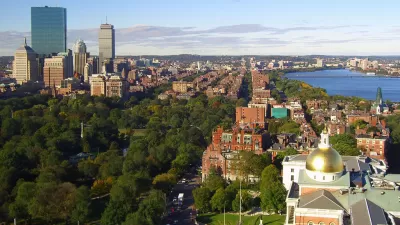
As part of the "Boston Creates" program, undertaken by the city of Boston to enhance and build creative capital, the city partnered with local artists to engage residents in conversation and activities to help identify how these residents interacted with art in their daily lives and what they felt was necessary to strengthen the arts in their communities. E. San San Wong writes on the Barr Foundation's web site about the role of artists in communicating with the public to share and gather information.
During the Summer of 2015, artists fanned out across the city building impromptu galleries and public art pieces and speaking with various groups to understand how the multitude of cultures throughout the city use art as expression.
Artists think creatively about how to solve problems. They can hear and translate multiple voices into action by pushing conversations forward and bringing together people who may not otherwise meet. The Boston Creates artists were the connective tissue between the sometimes jargon-heavy language of urban planning and the personal experiences of residents that makes a cultural plan necessary and immediate.
The information gleaned from the conversations and interactions has been included in the drafting of Boston's new Cultural Plan, which is anticipated to be completed this month.
Read the full story: When Artists Are at the Intersection of Planning and Community

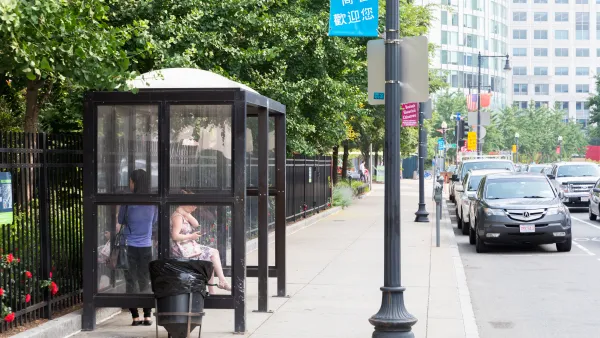
Boston requests proposals for new street furniture program
The city is looking to expand its network of bus shelters, wayfinding kiosks and other infrastructure.
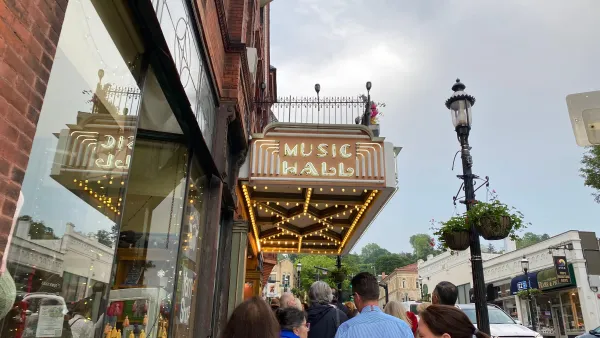
Why city hall doesn't know your music venue is a music venue (and why that matters)
Data shows that cultural venues have long lacked proper classification — which is why so many fall through the cracks.

Does every planner need an AI policy?
From a hundred-person agency to a one-person consultancy, the answer is yes. The difference is what “policy" means.

Planetizen Federal Action Tracker
A weekly monitor of how Trump’s orders and actions are impacting planners and planning in America.

Amtrak, CN end decades-long dispute with eight-year agreement
The new operating agreement establishes an updated framework for the companies to work together, including processes to resolve disputes.
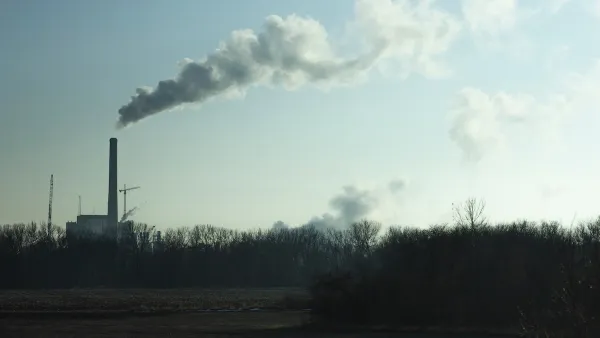
Nation's most wind-powered state turns to coal as data centers increase energy demand
For the first time in decades, Iowa has increased its generation of coal power.

Alabama scores up to $2.5 billion federal loan for largest infrastructure project in state’s history
The Mobile River Bridge and Bayway Project aims to ease congestion at Alabama’s worst bottleneck.

Trump is considering data centers on 6 states' public land — some state officials say they had no idea
If the administration approves the proposed projects, data center and data center-related developments will cover 17,600 acres of public land.

Despite court ruling, Trump is keeping nearly all wind projects in the US on hold
At least 110 wind energy projects have not heard from the government since a federal judge ruled that the Trump administration's freeze on wind turbine clearances was likely illegal.

FREE Course: Walkable City 1: Why Walkability?
After describing his path towards focusing on walkability as the essence of good planning, Jeff Speck marches through his five principal reasons for making more walkable places.
Reinventing Malls: Planning Alchemy—Turning Gray Fields Into Gold
The course focuses on the opportunities and imperatives that shape reinvention of mall sites.

KFH Group Inc.
Greater Baltimore Committee
Eagle County Government
The Architects Foundation
University of Cincinnati Online
The Pocatello Development Authority
The Urban Renewal Agency of the City of Pocatello