Some states relied more on the most recent energy boom than others, and some prepared more for the inevitable bust. A report by the Brookings Institution recommends actions for energy states to build resilience in the face of boom and bust cycles.


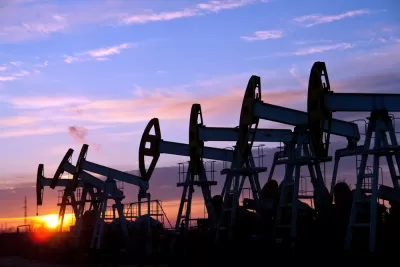
An article by Mike Maciag details strategies energy states could use to weather the boon and bust cycles of their economies. After noting the recent financial troubles of Alaska, North Dakota, and Louisiana, Maciag shares news of a report recently released by the Brookings Institution, which calls on states "to rethink how they’re collecting and spending severances taxes derived from natural resources." In fact, "States can do a better job, the report authors say, of channeling oil revenues to stable trust funds that better weather the boom-and-bust cycle."
Specifically, the report "recommends that a portion of states’ annual severance tax revenues be diverted to permanent trust funds"—steps eight states have taken so far. Maciag details the experience of Pennsylvania and Ohio, "two oil-rich states that levy little or no severance taxes" and have had trouble navigating the politics of implementing new taxes.
As for states that have already established trust funds, the report "further [outlines] a series of recommendations for states that have already established trust funds," including "a solid governance framework, clear investment strategy, transparency standards and well-defined fiscal rules…"
FULL STORY: How Energy States Could Better Weather the Boom-and-Bust Cycle

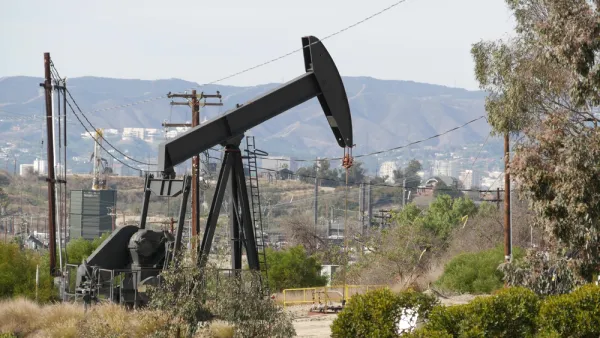
In Historic Move, L.A. County to Phase Out Oil Wells
The long history of oil extraction in the nation's most populous county is entering its final chapter.
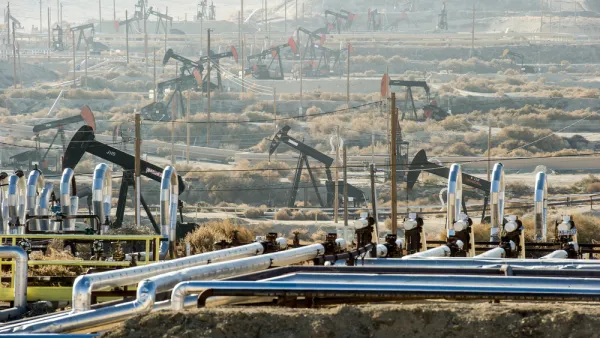
Gov. Newsom's Phase-out of Oil Production Prompts Backlash in Kern County
Almost 80% of oil extraction in the nation's sixth largest oil-producing state occurs in Kern County. Supervisors see the California governor's climate plan to reduce oil production as a threat to the county's economic well-being.
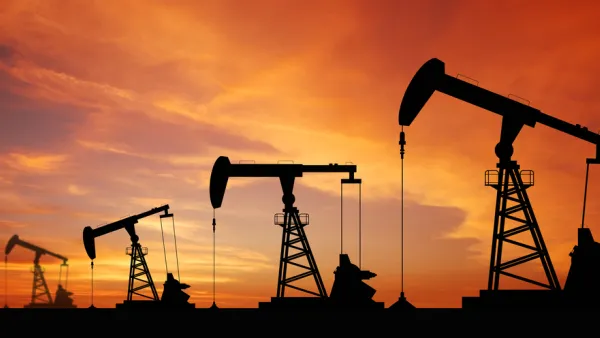
West Texas Drilling Boom Bodes Ill for Residents, the Planet
Driven by foreign demand, a surge in West Texas oil production is having adverse effects on the local populace, and contributes to climate change at a crucial moment.

Planetizen Federal Action Tracker
A weekly monitor of how Trump’s orders and actions are impacting planners and planning in America.

The state-sanctioned urbicide of Austin
People don’t kill cities. Freeways do.

US to reduce Colorado River water deliveries to Mexico
A new Colorado Treaty amendment reduces Mexico’s Colorado River water allocation by 250,000 acre feet.

5 New England states march closer to 800 megawatt wind energy project
Securing federal approval for the project may be complicated under the Trump administration, which has historically been hostile towards domestic wind power.

Baltimore to break ground on $50 million Transit Priority Project
The project will bring faster bus trips, safer streets and better bike connections to Baltimore.

Airbnb launches $250 million 'last-dollar financing' housing accelerator, makes first investment in Austin
The company will put $6.4 million towards affordable housing development in Texas’ capital.

FREE Course: Walkable City 1: Why Walkability?
After describing his path towards focusing on walkability as the essence of good planning, Jeff Speck marches through his five principal reasons for making more walkable places.
Reinventing Malls: Planning Alchemy—Turning Gray Fields Into Gold
The course focuses on the opportunities and imperatives that shape reinvention of mall sites.

Eagle County Government
Harvard University Graduate School of Design
Nashville Planning Department
The Architects Foundation
University of Cincinnati Online
The Pocatello Development Authority
The Urban Renewal Agency of the City of Pocatello
Journal of the American Planning Association