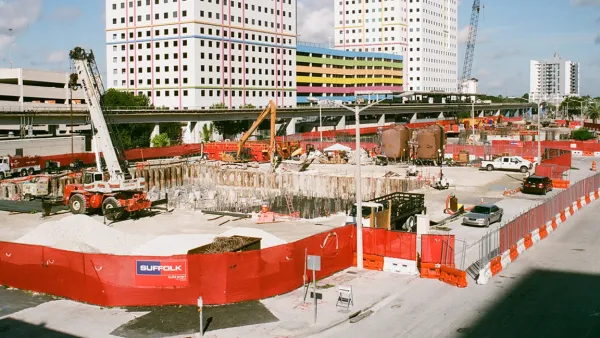
The city of Boston is working to ensure that a diverse collection of residents are benefitting from the fruits of the city's current building boom.


"After years of disappointing results from an ordinance intended to increase the hiring of Boston residents, women, and minorities to construction jobs, the city of Boston is eyeing changes to make it more effective," according to an article by Matt Rocheleau.
The work of requiring a local and diverse cross section of employment opportunities for the construction trades falls to a 37-year-old ordinance called the Boston Residents Jobs Policy. The ordinance, "requires construction companies to demonstrate good faith efforts to guarantee that 50 percent of all hours worked go to Boston residents, 25 percent go to minorities, and 10 percent go to women," according to Rocheleau. The ordinance, however, is having trouble meeting the demands of the current building boom. Progress has stalled in hiring of minorities, and hiring of women and local residents has never hit targets.
Led by Karilyn Crockett, the city's director of economic policy and research, the city is looking for ways to improve the ordinance in a review process that began in 2015. Changes in communications policy have already been implemented, and open data improvements are also planned in an effort to improve results.
FULL STORY: City ponders how to boost hiring of certain groups in construction industry

Trump Administration Kills Obama Era Local Hiring Program
The U.S. Department of Transportation quietly killed an Obama Administration program that would have been the only federal level local hiring initiative.

U.S. DOT Will Allow and Encourage Local Hiring
The U.S. Department of Transportation has changed its rules in favor of local hiring: a pilot program will even encourage it. Minorities traditionally barred from high-paying construction work stand to benefit.
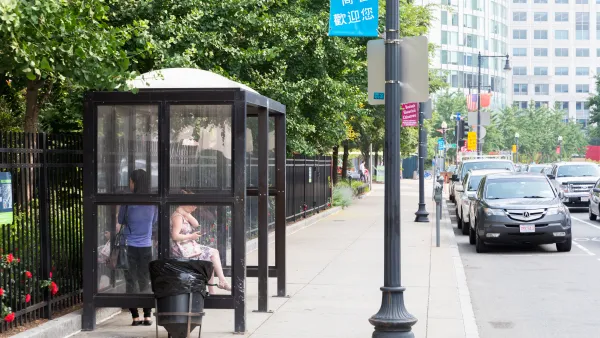
Boston requests proposals for new street furniture program
The city is looking to expand its network of bus shelters, wayfinding kiosks and other infrastructure.

The state-sanctioned urbicide of Austin
People don’t kill cities. Freeways do.

US to reduce Colorado River water deliveries to Mexico
A new Colorado Treaty amendment reduces Mexico’s Colorado River water allocation by 250,000 acre feet.

New Jersey’s second-largest city bans standalone data centers
Jersey City will continue to allow co-location facilities, such as those meant for research institutions that store their own data.

Amtrak not solely to blame for New Jersey commuter rail's unreliability, report finds
A new study from the Garden State Initiative found that NJ Transit’s budget grew 20% across a 4 year period, but reliability declined significantly over the same period.

EPA erases limits on planet-warming pollution from power plants
Under Monday’s plan, power plants would still have some limits on how much mercury, arsenic and other contaminants they can emit.

Phoenix announces new on-demand transit service, more frequent RAPID buses
Both new services will launch in October, and are part of Phoenix's Project Effective Access Solutions for Easing Congestion.

FREE Course: Walkable City 1: Why Walkability?
After describing his path towards focusing on walkability as the essence of good planning, Jeff Speck marches through his five principal reasons for making more walkable places.
Reinventing Malls: Planning Alchemy—Turning Gray Fields Into Gold
The course focuses on the opportunities and imperatives that shape reinvention of mall sites.

Eagle County Government
Harvard University Graduate School of Design
Nashville Planning Department
The Architects Foundation
University of Cincinnati Online
The Pocatello Development Authority
The Urban Renewal Agency of the City of Pocatello
Journal of the American Planning Association