A decision about how to fund the city of Portland's approach to a worsening affordable housing problem has taken longer than expected.


[Updated 09/08/2016] "High-stakes negotiations dragged on this week inside Portland City Hall, yet again delaying a proposal to increase public funding for affordable housing by as much as $91.3 million over the next 10 years," according to an article by Brad Schmidt.
Affordable housing has quickly become a top political issue in the city of Portland, with " with the City Council declaring a "housing emergency" and Mayor Charlie Hales pledging $30 million in the next fiscal year to fight homelessness."
The question of how to allocate spending for the issues, especially in the city's urban renewal districts, has created problems for the council in recent weeks. "Portland's current policy calls for an aggregate minimum of 30 percent within all districts. But a housing advisory group in August recommended increasing that share -- called the affordable housing set-aside -- to 50 percent," reports Schmidt.
The article includes more details about the political situation and previews the possible actions of the weeks to come.
[The article was updated to reflect the correct dollar amount of Mayor Hale's proposal.]
FULL STORY: Portland delays financial plan for affordable housing

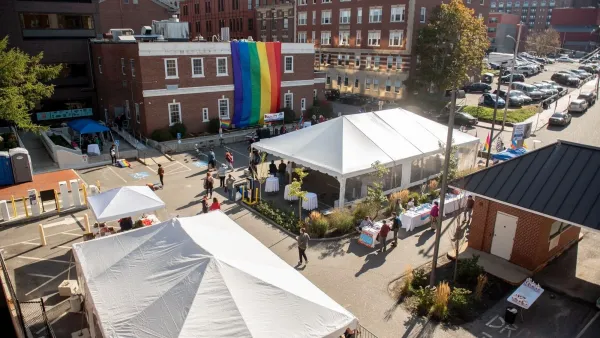
Portland unveils Maine’s first affordable housing complex for LGBTQ+ seniors
The building earmarks 11 units for people with disabilities or living with HIV/AIDS.
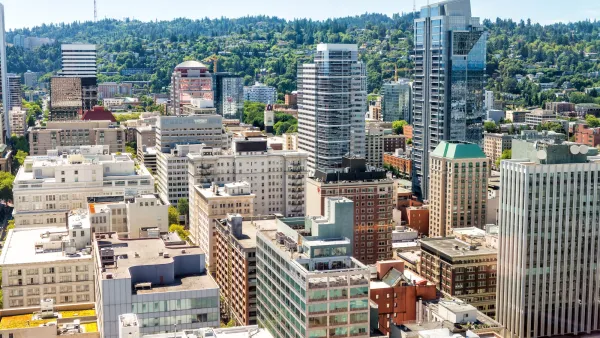
Portland Affordable Condo Project Offers a Path to Homeownership, but is it a Long-term Solution?
The project's affordability currently rests on temporary subsidies and market goodwill. For tenants who can’t buy—and future buyers looking for affordability—the risks are significant.
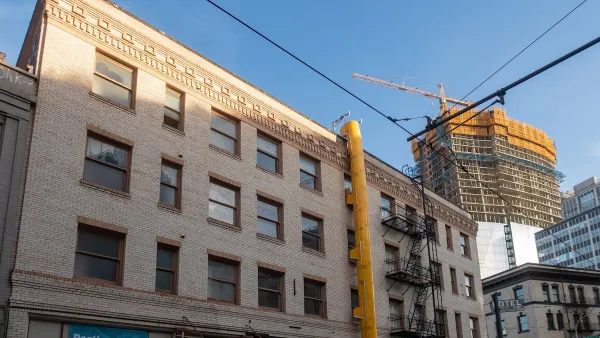
Portland Housing Bond Created Nearly 5,000 Units, But Affordability Remains Out of Reach
Despite better-than-expected results from multiple local housing bonds, housing costs and homelessness remain top of mind for many Oregonians.

Planetizen Federal Action Tracker
A weekly monitor of how Trump’s orders and actions are impacting planners and planning in America.

The state-sanctioned urbicide of Austin
People don’t kill cities. Freeways do.

US to reduce Colorado River water deliveries to Mexico
A new Colorado Treaty amendment reduces Mexico’s Colorado River water allocation by 250,000 acre feet.

Colorado’s Largest Data Center Could Rise Next to Homes — Without a Public Hearing
The proposed campus would consume 11 times the power of Denver International Airport; as it has across the country, opposition mounts.

5 New England states march closer to 800 megawatt wind energy project
Securing federal approval for the project may be complicated under the Trump administration, which has historically been hostile towards domestic wind power.

Baltimore to break ground on $50 million Transit Priority Project
The project will bring faster bus trips, safer streets and better bike connections to Baltimore.

FREE Course: Walkable City 1: Why Walkability?
After describing his path towards focusing on walkability as the essence of good planning, Jeff Speck marches through his five principal reasons for making more walkable places.
Reinventing Malls: Planning Alchemy—Turning Gray Fields Into Gold
The course focuses on the opportunities and imperatives that shape reinvention of mall sites.

Eagle County Government
Harvard University Graduate School of Design
Nashville Planning Department
The Architects Foundation
University of Cincinnati Online
The Pocatello Development Authority
The Urban Renewal Agency of the City of Pocatello
Journal of the American Planning Association