A trove of data from the Office of Property Assessment has been released to the public. It's like Christmas day for zoning wonks in the City of Brotherly Love.


"The [city of Philadelphia] Office of Innovation and Technology has been upping the city's data visualization game for a while now, and the latest release of Office of Property Assessment data is everything a data dump should be," according to a post by John Geeting.
Geeting notes that the data release goes beyond a dump of raw data—there are visuals and products that helps people access the information, as well as tools to manipulate the data and mine it for more findings.
Among the findings, ready for analysis, "is that RSA-5 (the typical neighborhood rowhouse) is the most common zoning classification by far, accounting for about 42% of all properties." Other kinds of single-use zoning classifications make up the bulk of uses in the city: "Residential-only properties are 79% of the total, and hotels and apartments, stores with dwellings, and commercial properties make up just 12% of properties combined."
There are more analysis and samples of the many other interactive features available on the Office of Property Assessment site.
Read the full story: Single-use residential properties make up 79% of Philly properties, and other things we learned from the new OPA data

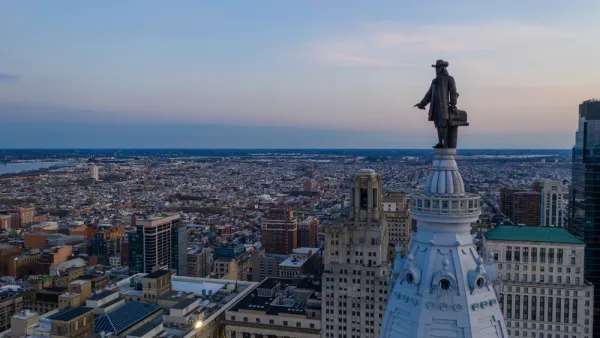
Zoning Revision Process Hits Snags in Philadelphia
A pair of advocates criticize recent actions to slow zoning revisions in the city of Philadelphia.

Philadelphia City Council Pushing for More Control Over Zoning Variances
A cause abandoned by the Philadelphia City in 2019 is on the table again.

Height Limits, Roof Deck Ban Killed by Philly Planning Commission's Pocket Veto
The Philadelphia City Planning Commission made a "rare how of power" in using a variety of "pocket veto" to kill proposed height and roof deck restrictions in the Far Northeast section of Philadelphia.

Amtrak, CN end decades-long dispute with eight-year agreement
The new operating agreement establishes an updated framework for the companies to work together, including processes to resolve disputes.

Judges permit Denver to divert 77,000 acre feet from the Colorado River for reservoir expansion
Overuse and climate change have caused the Colorado River’s water levels to plummet.
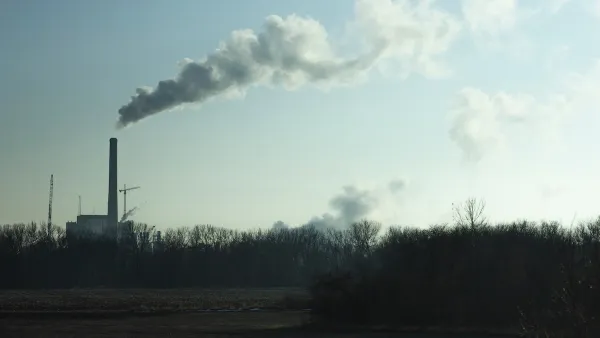
Nation's most wind-powered state turns to coal as data centers increase energy demand
For the first time in decades, Iowa has increased its generation of coal power.

Boston has spent millions making the Green Line more accessible — and there’s no end in sight
While the city has invested millions into expanding and adding platforms to the Green Line to make it more accessible, new train cars set to arrive next year will be too tall for disabled passengers to board without raising the current platforms.

Idaho may see an 18% drop in federal surface transit funding — the largest estimated cut in the US
Transit systems in rural communities are much more reliant on federal funding to provide their services.

How ‘post-disaster gentrification’ alters neighborhoods after natural calamities
After hurricanes, fires or other calamities, the original residents of a community are often replaced by younger, wealthier residents.

FREE Course: Walkable City 1: Why Walkability?
After describing his path towards focusing on walkability as the essence of good planning, Jeff Speck marches through his five principal reasons for making more walkable places.
Reinventing Malls: Planning Alchemy—Turning Gray Fields Into Gold
The course focuses on the opportunities and imperatives that shape reinvention of mall sites.

City of Wisconsin Rapids
Harvard University Graduate School of Design
KFH Group Inc.
The Architects Foundation
University of Cincinnati Online
The Pocatello Development Authority
The Urban Renewal Agency of the City of Pocatello