Residents in the Kalamazoo, MI area voted on Tuesday to maintain and expand bus service by passing a 0.75-mill tax. They can expect more frequent and late night service to be provided by the new Central County Transportation Authority.


The transit measure was vital to the one-year-old Central County Transportation Authority, a function of the Kalamazoo County Government, which covers Kalamazoo and the surrounding cities and townships. It will allow CCTA to maintain and expand Kalamazoo Metro Transit.
"The (0.75-mill) levy runs through 2020 and replaces the current 0.6-mill levy levied in the city of Kalamazoo, which expires at the end of this year," writes Julie Mack for MLive.com. According to Investopedia, millage rate is "(t)he amount per $1,000 that is used to calculate taxes on property."
The tax will cost $45 a year on a home that has a market value of $120,000 and a taxable value of $60,000, which is about the average for the county. The millage is projected to raise $3.5 million in 2016.
As a result of the measure's passage, Metro Transit will provide new Sunday fixed-route service, and weekday service from 10 pm to midnight. In addition, it will "support the transit system's transition from diesel-fuel buses to hybrid-battery buses," adds Mack.
Millages play a crucial role in funding Metro Transit, according to the Kalamazoo County Transportation Authority's funding breakdown:
State Grants - 34 percent
Property Tax Millages - 29 percent
Fares - 21 percent
Federal Grants - 14 percent
Other - 2.5 percent
Correspondent's note: It's nice to see Kalamazooans support their local transit service, as it will complement the new 110-mph intercity rail service to Chicago thanks to federal high-speed-rail stimulus funding.
Hat tip to AASHTO Daily Transportation Update.
Read the full story: New transit tax OK'd by 62% Kalamazoo-area voters in Tuesday's election

Ann Arbor millage tax has created over $27M for affordable housing
The 2020 property tax is expected to fund roughly 1,500 new affordable homes.
Pre-Permitted Housing Plans Can Combat Blight, Revive Neighborhoods
Faced with blighted neighborhoods where the cost of building a house would exceed its eventual market value, the city of Kalamazoo, Michigan, streamlined the permitting process to help lower development costs.
As New Orleans Property Values Climb, Property Taxes Relief Considered
New Orleans Mayor LaToya Cantrell is searching for ways to mitigate the impacts of "skyrocketing property values" while also holding on to some of the new revenue created by the corresponding rising property taxes.

Planetizen Federal Action Tracker
A weekly monitor of how Trump’s orders and actions are impacting planners and planning in America.

The state-sanctioned urbicide of Austin
People don’t kill cities. Freeways do.

US to reduce Colorado River water deliveries to Mexico
A new Colorado Treaty amendment reduces Mexico’s Colorado River water allocation by 250,000 acre feet.

Nation's most wind-powered state turns to coal as data centers increase energy demand
For the first time in decades, Iowa has increased its generation of coal power.
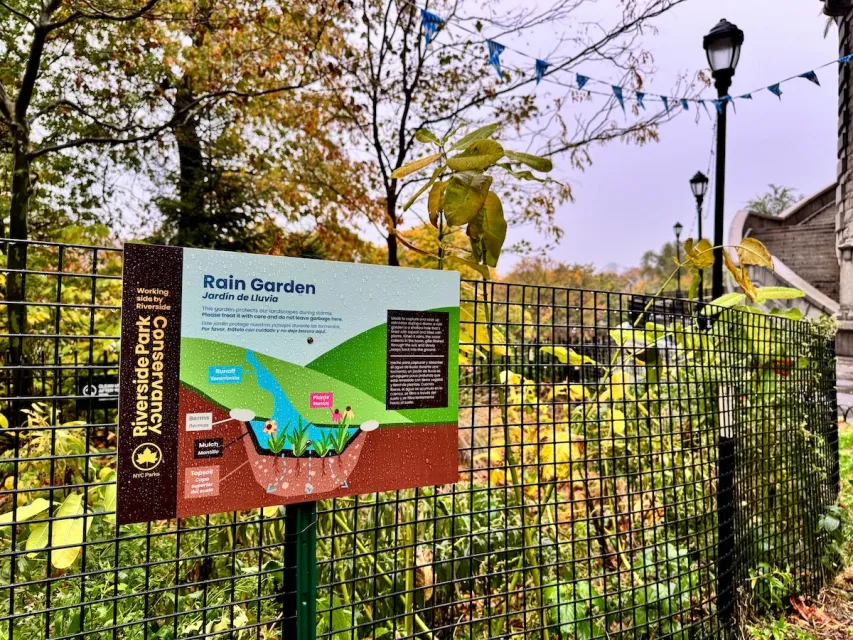
NYC cools commuters with city's first rain garden above a bus stop
New York City officials say the plants in the rain garden can absorb 16 gallons of rainwater during heavy storms.

Brightline West’s future may rely on $6 billion federal loan
The company has until Nov. 2 to make a $400 million equity investment into its proposed high-speed rail line.

FREE Course: Walkable City 1: Why Walkability?
After describing his path towards focusing on walkability as the essence of good planning, Jeff Speck marches through his five principal reasons for making more walkable places.
Reinventing Malls: Planning Alchemy—Turning Gray Fields Into Gold
The course focuses on the opportunities and imperatives that shape reinvention of mall sites.

Greater Baltimore Committee
Eagle County Government
Harvard University Graduate School of Design
The Architects Foundation
University of Cincinnati Online
The Pocatello Development Authority
The Urban Renewal Agency of the City of Pocatello
Journal of the American Planning Association