The Los Angeles Times presents an in-depth look at the decline of the once-great Emerald City. What went wrong?


"The state has done little to build new highways to accommodate the 484,700 new people who moved into Puget Sound in the 1990s, in part because it would cost upward of $50 billion to do it right. The idea of Washington farmers and longtime Seattleites paying more to make room for newcomers helped ignite the beginnings of a taxpayer revolt. In 1999, voters ap-proved an initiative-I-695-that slashed the traditional source of highway construction funding, the motor vehicle excise tax. The second shoe dropped last November, with the passage of a ballot measure that limits property tax growth to 1% a year, unless authorized by voters. The two measures, with the third whammy of the recession, have left the state in a funding gridlock the likes of which it has never seen."
Thanks to Laura Kranz
Read the full story: The Decline and Fall of Seattle


Planetizen Federal Action Tracker
A weekly monitor of how Trump’s orders and actions are impacting planners and planning in America.

Northwest rail fans eager for Sept. 30 debut of Amtrak’s Airo fleet
Get ready for that new train smell and more seats. But they won’t go faster or run more frequently on the Cascades route in Washington and Oregon.
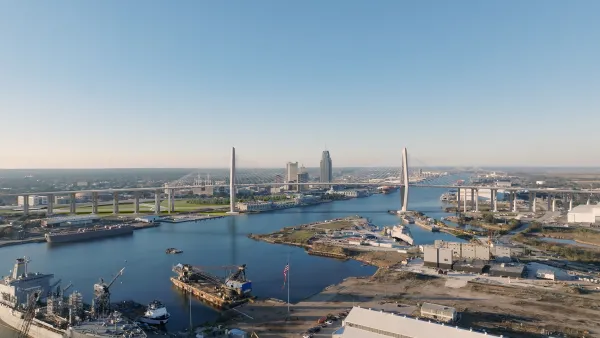
Alabama scores up to $2.5 billion federal loan for largest infrastructure project in state’s history
The Mobile River Bridge and Bayway Project aims to ease congestion at Alabama’s worst bottleneck.

Novel study finds extreme state-by-state disparity in housing construction timelines
The first comprehensive working paper on U.S. construction timelines also found that the permitting process for multi-family projects has slowed nationwide.

California may destroy its beaches trying to save homes from El Niño
Boulders and seawalls can protect homes from waves, but ultimately destroy sandy beaches.

California high-speed rail accomplishes only one legislative goal in 2026
The majority of the agency's failed pitches were never developed into written proposals.

FREE Course: Walkable City 1: Why Walkability?
After describing his path towards focusing on walkability as the essence of good planning, Jeff Speck marches through his five principal reasons for making more walkable places.
Reinventing Malls: Planning Alchemy—Turning Gray Fields Into Gold
The course focuses on the opportunities and imperatives that shape reinvention of mall sites.

City of Thousand Oaks
City of Wisconsin Rapids
Harvard University Graduate School of Design
The Architects Foundation
University of Cincinnati Online
Northern Illinois Transit Authority (NITA)
The Pocatello Development Authority
The Urban Renewal Agency of the City of Pocatello