Published twice yearly, ACCESS is the official magazine of the University of California Transportation Center.


The Spring 2002 issue has been published, and includes the following stories: The Path to Discrete-Choice Models, by Daniel L. McFadden; Reforming Infrastructure Planning, by David Dowall; In the Dark: Seeing Bikes at Night, by Karen De Valois, Tatsuto Takeuchi, and Michael Disch; Roughly Right or Precisely Wrong, by Donald Shoup; Transforming the Freight Industry: From Regulation to Competition to Decentralization in the Information Age, by Amelia Regan; and, The Access Almanac: The Freeway-Congestion Paradox, by Chao Chen and Pravin Varaiya. In his article, "Roughly Right or Precisely Wrong," Donald Shoup blasts the Institute of Transportation Engineers' parkingguidelines. The ITE manuals are based on statistically insignificantsamples that result in hocus-pocus numbers with low confidence levels.The ITE admits this, but only in cursory notes that the great majority ofengineers ignore. The faulty conclusions are then used to justifyexcessive parking infrastructure which spirals into a feedback loop of increasing sprawl.
Thanks to The Practice of New Urbanism
Read the full story: ACCESS No. 20


Planetizen Federal Action Tracker
A weekly monitor of how Trump’s orders and actions are impacting planners and planning in America.

The state-sanctioned urbicide of Austin
People don’t kill cities. Freeways do.

US to reduce Colorado River water deliveries to Mexico
A new Colorado Treaty amendment reduces Mexico’s Colorado River water allocation by 250,000 acre feet.

Nation's most wind-powered state turns to coal as data centers increase energy demand
For the first time in decades, Iowa has increased its generation of coal power.
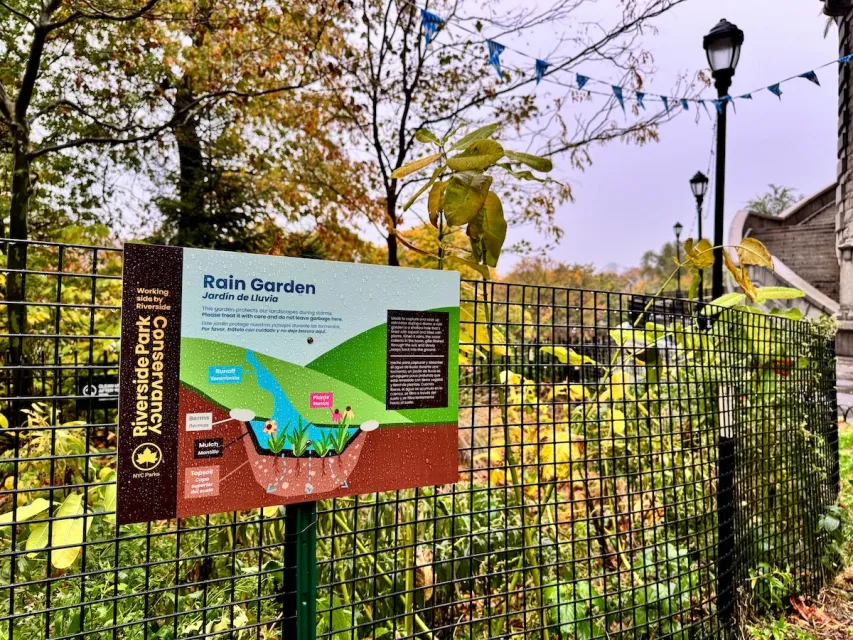
NYC cools commuters with city's first rain garden above a bus stop
New York City officials say the plants in the rain garden can absorb 16 gallons of rainwater during heavy storms.

Brightline West’s future may rely on $6 billion federal loan
The company has until Nov. 2 to make a $400 million equity investment into its proposed high-speed rail line.

FREE Course: Walkable City 1: Why Walkability?
After describing his path towards focusing on walkability as the essence of good planning, Jeff Speck marches through his five principal reasons for making more walkable places.
Reinventing Malls: Planning Alchemy—Turning Gray Fields Into Gold
The course focuses on the opportunities and imperatives that shape reinvention of mall sites.

Greater Baltimore Committee
Eagle County Government
Harvard University Graduate School of Design
The Architects Foundation
University of Cincinnati Online
The Pocatello Development Authority
The Urban Renewal Agency of the City of Pocatello
Journal of the American Planning Association