A new report from the World Resources Institute illustrates how Brazil is preparing its cities to deal with climate change.


85 percent of all Brazilians live within a city. Moreover, more than 50 million people in the country (or about 26 percent of the population) live in the 463 Brazilian coastal cities that are in danger of rising sea levels. Already, Brazil is facing intense rains and flooding, scorching temperatures, and droughts in different parts of the sprawling country.
According to Heather McGray and Katerina Elias-Trostmann of The City Fix, a team of researchers from the World Resources Institute's Ross Center for Sustainable Cities visited three of Brazil's major state capitals: Rio de Janeiro, Porto Alegre, and Brasilia. In their trip, they highlighted three main themes from adaption policies that officials are undertaking right now to mitigate the impacts of climate change: mobilizing networks and resources, leveraging governance and people, and harnessing data and tools.
Read the full story: Three climate adaptation lessons from Brazil’s cities

Street Art Tells the Other Side of the World Cup Story
In the many cities hosting the month-long FIFA World Cup tournament, street artists share their criticisms in vibrant, powerful murals located in public spaces.
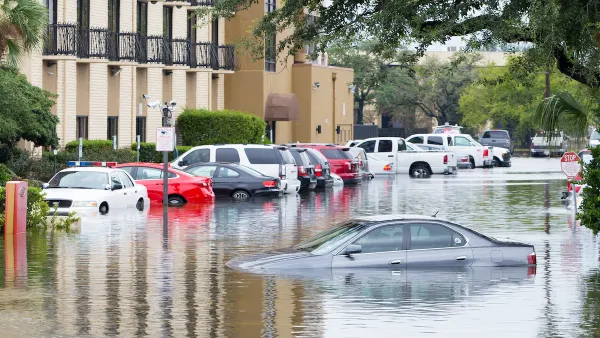
20 States Best and Least Prepared for Climate Change and Extreme Weather
A new study from CNBC ranks US states in order of sustainability and preparedness for climate change and extreme weather. A few might surprise you.
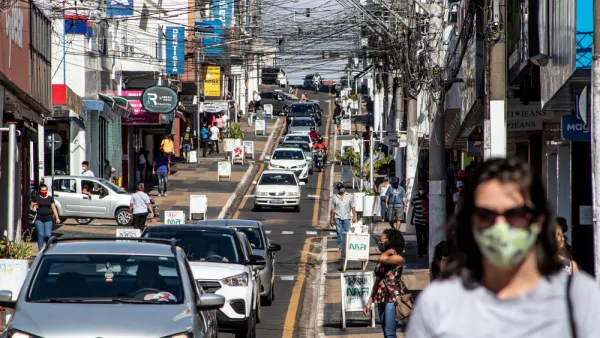
The World's Worst COVID Outbreak
Brazil has surpassed the U.S. and led the world in the daily average of COVID-19 deaths and coronavirus infections during the last week. Experts point to a coronavirus variant and the lack of a federal strategy, leaving states without assistance.

Amtrak, CN end decades-long dispute with eight-year agreement
The new operating agreement establishes an updated framework for the companies to work together, including processes to resolve disputes.

Northwest rail fans eager for Sept. 30 debut of Amtrak’s Airo fleet
Get ready for that new train smell and more seats. But they won’t go faster or run more frequently on the Cascades route in Washington and Oregon.

Judges permit Denver to divert 77,000 acre feet from the Colorado River for reservoir expansion
Overuse and climate change have caused the Colorado River’s water levels to plummet.

NYC to turn city-owned property into thousands of homes
The city has scheduled a public hearing regarding the development for October.

Buses travel at 5mph along this route in NYC. The Bronx's first-ever busway looks to change that
Prior to the busway, buses on the Bx36 route traveled as slowly as 5 miles per hour.

Pittsburg launches 'EZ permits,' aims for one-day turnaround for low-risk permits
The pilot ‘fast lane’ for permits is part of a bundle of modernization efforts for Pittsburg’s permitting process.

FREE Course: Walkable City 1: Why Walkability?
After describing his path towards focusing on walkability as the essence of good planning, Jeff Speck marches through his five principal reasons for making more walkable places.
Reinventing Malls: Planning Alchemy—Turning Gray Fields Into Gold
The course focuses on the opportunities and imperatives that shape reinvention of mall sites.

City of Thousand Oaks
City of Wisconsin Rapids
Harvard University Graduate School of Design
The Architects Foundation
University of Cincinnati Online
The Pocatello Development Authority
The Urban Renewal Agency of the City of Pocatello