Researchers continue to verify the health benefits of walkable neighborhoods. Most recently researchers at Kansas University found benefits that communities can use to ensure the quality of life of aging residents.



"New study results from the University of Kansas to be presented this weekend at the Gerontological Society of America’s annual meeting in Washington, D.C., bolster the adage that 'heart healthy is brain healthy,'" according to a press release from the University of Kansas.
Here is the key point about the finding: "The investigation shows neighborhoods that motivate walking can stave off cognitive decline in older adults."
Here's how the press release describes the study's methodology: "The KU researcher [Amber Watts] and her colleagues used the space syntax data to estimate a 'walkability score' for subjects' home addresses. Then they estimated the relationship between people's neighborhood scores and their performance on cognitive tests over two years, factoring in issues like age, gender, education and wealth, that might influence people’s cognitive scores independently of neighborhood characteristics."
Read the full story: Research shows easy-to-walk communities can blunt cognitive decline

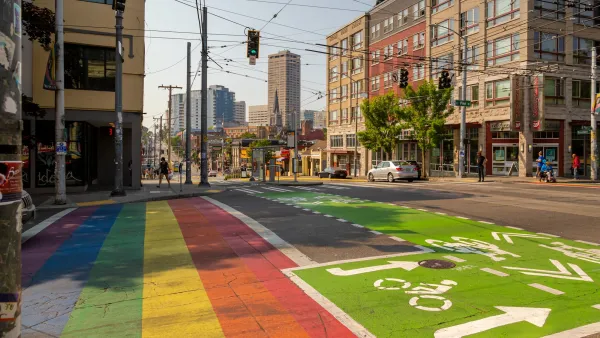
Seattle Creates 4 ‘Low-pollution Neighborhoods’
The pilot program is designed to reduce air pollution and increase access to transit and safe walking and biking infrastructure.
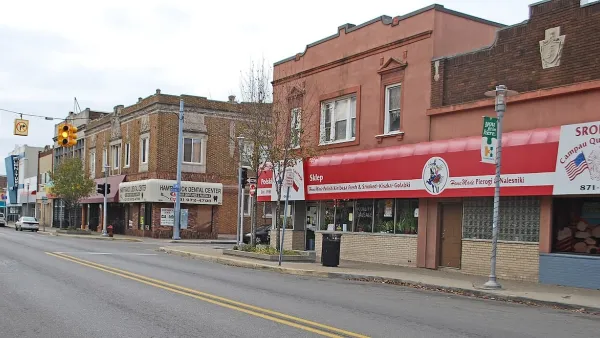
Research: Walkability Linked to Improved Public Health
A study reveals that the density of city blocks is a significant factor in communities’ walkability and, subsequently, improved public health outcomes for residents.

Study: Walkability Can Help Reduce Dementia Risk
Walkable neighborhoods offer natural opportunities to stay active and engaged with friends and neighbors, increasing residents’ chances of remaining mentally and physically healthy longer.

Planetizen Federal Action Tracker
A weekly monitor of how Trump’s orders and actions are impacting planners and planning in America.

Amtrak, CN end decades-long dispute with eight-year agreement
The new operating agreement establishes an updated framework for the companies to work together, including processes to resolve disputes.

Judges permit Denver to divert 77,000 acre feet from the Colorado River for reservoir expansion
Overuse and climate change have caused the Colorado River’s water levels to plummet.

NYC DOT wants faster, more permanent street upgrades
The city is examining ways to build more concrete infrastructure without getting entangled in 'decades-long' projects.

'Something we’ve never seen before:' rising utility rates could strain city finances nationwide
Data centers, climate change and other factors have caused utility rates in the United States to increase by 38% since 2020.

Trump to overrule local leaders, lease millions of acres of America’s Pacific Island territories’ seafloors to mining companies
International law says that the Indigenous people of America’s territories have a right to prior and informed consent regarding projects that impact their countries.

FREE Course: Walkable City 1: Why Walkability?
After describing his path towards focusing on walkability as the essence of good planning, Jeff Speck marches through his five principal reasons for making more walkable places.
Reinventing Malls: Planning Alchemy—Turning Gray Fields Into Gold
The course focuses on the opportunities and imperatives that shape reinvention of mall sites.

Harvard University Graduate School of Design
KFH Group Inc.
Greater Baltimore Committee
The Architects Foundation
University of Cincinnati Online
The Pocatello Development Authority
The Urban Renewal Agency of the City of Pocatello