One of the most politically treacherous proposals of Detroit's bankruptcy plan has finally gained approval—a regional water authority.


"Detroit cleared another potential roadblock in bankruptcy court Tuesday, with a deal between the city and Wayne, Oakland and Macomb counties to create a regional water authority," reports Steve Pardo, Robert Snell, and Darren A. Nichols.
"Lawyers for Wayne and Oakland counties told U.S. Bankruptcy Judge Steven Rhodes they will drop their opposition to the city’s bankruptcy exit plan now that a plan has been hammered out for a Great Lakes Water Authority. Macomb County Executive Mark Hackel also backed the water deal."
Here's what the reports have discovered about the terms of the deal so far: "The city will lease infrastructure to suburban communities in exchange for a 40-year, $50 million annual fee and an annual $4.5 million payment assistance fund. It’s not clear exactly how much each county will contribute, but officials said the money already exists within the system and rate increases will be capped at 4 percent over the next 10 years."
The plan still requires approval by the Detroit City Council or Emergency Mayor Kevin Orr must still approve the proposal by October 10.
Read the full story: Detroit, suburban officials reach deal on Great Lakes Water Authority From The Detroit News: http://www.detroitnews.com/article
Regional Water Authority DOA in Detroit
One of the unanswered questions of Detroit’s post-bankruptcy future is what will happen with the Detroit Water and Sewerage Department, especially after negotiations to create a regional authority ended in failure this week.
Metro Detroit's Millage Tax Comes Within Half a Percentage Point of Passing
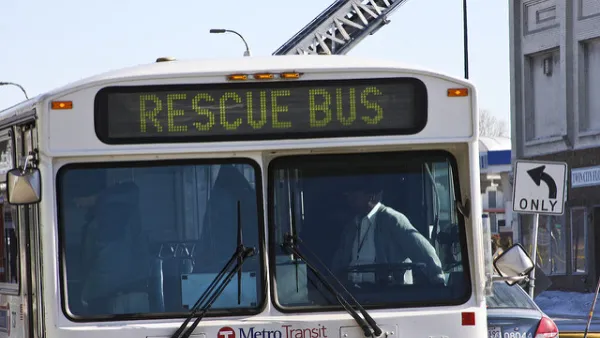
A $4.6 billion transit plan proposed by the Regional Transit Authority of Southeast Michigan received 49.5 percent of the vote on November 8. The millage tax would have funded bus rapid transit and regional rail within a four-county region.
Detroit's Failed Regional Transit Plan Strikes a Blow to the City's Revival
Voters in the Detroit region had a chance to reverse 40 years of neglect for regional transit. Instead, they kicked the can down the road.

Planetizen Federal Action Tracker
A weekly monitor of how Trump’s orders and actions are impacting planners and planning in America.

California plans to bury El Niño’s downpour
If the state plays its cards right, it may be able to store a billion acre-feet of El Niño’s water in aquifers.

Desperate measures: Advocates weigh draining Lake Powell to fill Colorado River
Draining the reservoir could reduce evaporation losses by a couple hundred thousand acre-feet.

Los Angeles just elected an urban planner as its mayor
Transportation analysts are optimistic that Raman will be more aggressive in addressing transit issues than Bass.

Mamdani’s pied-à-terre tax survives legal challenge
A panel of judges found that the plaintiffs failed to demonstrate injury as a result of New York City's implementation of the tax.

Eastern Nebraska is running out of electricity
Data centers and electrification are straining eastern Nebraska’s grid, throttling economic development.

FREE Course: Walkable City 1: Why Walkability?
After describing his path towards focusing on walkability as the essence of good planning, Jeff Speck marches through his five principal reasons for making more walkable places.
Reinventing Malls: Planning Alchemy—Turning Gray Fields Into Gold
The course focuses on the opportunities and imperatives that shape reinvention of mall sites.

City of Rosemead
Rutgers University, Edward J. Bloustein School of Planning and Public Policy
One Hundred Miles
University of Michigan School for Environment and Sustainability (SEAS)
Hunter College, City University of New York (CUNY)
The Architects Foundation
City of Cambridge
Montrose County
The Pocatello Development Authority