In a comprehensive piece called "What's New in New Urbanism," Multi-Housing News reports that new urban ideas have "swept the industry over the past 20 years."


In the 1990s, U.S. multifamily developers offered all the disadvantages of density without the advantages of urbanism.
The so-called "garden" apartments had parking in place of gardens — due to drive-only locations and minimum parking requirements. Some even featured "train wreck" design along the lines of an Amtrak derailment.
While the apartments themselves may have been nice, the outside consisted of a parking lot leading to a collector road and arterial thoroughfare built for cars and trucks.
With the rising demand for walkable places, such conventional suburban multifamily is no longer in style, according to Keat Foong, executive editor of Multi-Housing News.
Read the full story: Multifamily: From 'train wreck' to urban


Palisades Homeowners Barred From Rebuilding With Duplexes
The California governor and L.A. mayor issued identical executive orders banning multi-family development in areas destroyed by the Palisades Fire.
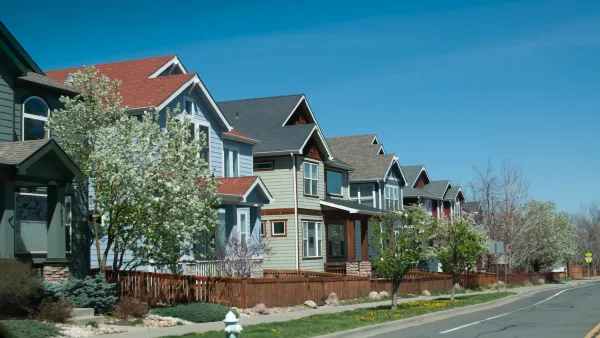
Proposed Boulder Ballot Measures Call for Impact Fees, Affordable Duplexes
Boulder residents are working to put two housing-related proposals on the November ballot.

Denver Pauses Multifamily Development in Westside Neighborhoods Amidst Gentrification Concerns
City officials say the pause on permits for redevelopment projects aims to stop the displacement of long-term residents.

Planetizen Federal Action Tracker
A weekly monitor of how Trump’s orders and actions are impacting planners and planning in America.

‘Going backwards:’ Baltimore mayor, students rally against state's transit funding plan
Maryland's proposed six-year plan provides no funding for Baltimore’s BMORE bus program and reduces its road maintenance funding.

Detroit to transform waterfront with $2.2 billion investment
Developers will convert about 18 acres of unused parking lot space into civic spaces.

U.S.-Iran war may have ‘devastating’ impact on cost to warm homes
Vermont and Maine residents may see a 76% increase in the cost of warming their homes this winter.

Senate bill would ‘overhaul’ environmental permitting laws
Under the proposed act, government agencies would also not be able to suspend or rescind permits after granting them.

Exemption applications for NYC’s pied-à-terre tax see 55% success rate
The city sent nearly 40% of its initial pied-à-terre tax warnings erroneously.

FREE Course: Walkable City 1: Why Walkability?
After describing his path towards focusing on walkability as the essence of good planning, Jeff Speck marches through his five principal reasons for making more walkable places.
Reinventing Malls: Planning Alchemy—Turning Gray Fields Into Gold
The course focuses on the opportunities and imperatives that shape reinvention of mall sites.

One Hundred Miles
County of Mendocino
planning NEXT
The Architects Foundation
University of Cincinnati Online
Montrose County
Northern Illinois Transit Authority (NITA)
The Pocatello Development Authority