The extent to which cities will build data collection systems into the infrastructure—or how much we’ll voluntarily gather and share information from our smartphones—has yet to be determined. Here is a survey of what some cities have launched so far.


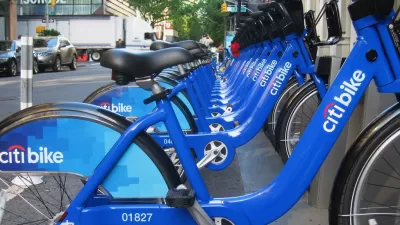
In a recent article, Mike Clay has an optimistic take on how cities can use data collected from smart phones and other devices to better manage and plan by getting citizens become more involved and interactive: “The culture of being always-on, carrying a smartphone wherever we go, makes real-time reporting and telling stories about a city so much easier, allowing the dream of citizen generated content to become a reality.”
To make the point about the new powers available to the smart city, Clay surveys the efforts of cities around the world in developing data-driven systems.
For instance, the SmartSantander app in the Spanish city of Santander, which provides residents with real time data on road closures, parking, and bus delays using 12,000 sensors installed around the city.
Read the full story: Getting Citizens Involved: How Cities Can Use Smart Technology and Social Media for Improvement.
How Data-Driven Research Is Shaping Sustainable Urban Development
Explore how data-driven research is revolutionizing sustainable urban development, creating smarter, greener, and more resilient cities for the future.
Tech Trends for Cities and States
Smart cities technology is well behind schedule, but the technology industry hasn’t given up on new digital solutions, self-driving cars, curb management, and AI-powered systems.
A Sustainable Future Requires Smart, Data-Driven Public Transport Networks
Devin de Vries, CEO of WhereIsMyTransport, makes the case for new and improved mobility as a tool for sustainability and equitable economic development.

Desperate measures: Advocates weigh draining Lake Powell to fill Colorado River
Draining the reservoir could reduce evaporation losses by a couple hundred thousand acre-feet.

Eastern Nebraska is running out of electricity
Data centers and electrification are straining eastern Nebraska’s grid, throttling economic development.

Move over, LA: St. Louis gears up for Olympics, invests millions in downtown redevelopment
The Missouri city will host the 2028 Olympic soccer group stage and knockout matches.

MTA sends Dem leaders a wish list to mend Trump’s damages
Requests include exempting new train and bus components from tariffs and increasing transit security funding.

Mass. votes against statewide minimum lot size for single-family homes
Over 2 million residents voted on Question 7; it was decided by just over 30,000 votes.

Maryland’s $15 billion bridge project gains key approval
The Maryland Transit Authority said the project will create over 60,000 jobs and add $23 billion to the local economy.

FREE Course: Walkable City 1: Why Walkability?
After describing his path towards focusing on walkability as the essence of good planning, Jeff Speck marches through his five principal reasons for making more walkable places.
Reinventing Malls: Planning Alchemy—Turning Gray Fields Into Gold
The course focuses on the opportunities and imperatives that shape reinvention of mall sites.

City of Rosemead
Rutgers University, Edward J. Bloustein School of Planning and Public Policy
One Hundred Miles
University of Michigan School for Environment and Sustainability (SEAS)
Hunter College, City University of New York (CUNY)
The Architects Foundation
City of Cambridge
The Pocatello Development Authority
The Urban Renewal Agency of the City of Pocatello