Outdated and onerous regulations, particularly those found in zoning ordinances, are affecting the availability of housing choice. What can communities do to expand their hosing stock? C.J. Gabbe explains.


What do granny flats, ADU's and micro-apartments have in common? In many places across America, they are prohibited.
C.J. Gabbe, doctoral student at UCLA and guest blogger at the Community Builders network explains: "Unfortunately, today’s building codes and land use regulations frequently prevent these types of moderately-priced housing options from being developed. In the 'new normal' American economy, with limited resources at every level of government, the affordability crisis will only deepen if we don’t change regulations that prohibit sensible development."
In an era of changing consumer preferences and economic uncertainty, communities should be looking to expand housing stock and lower barriers to affordability by implementing a range of common sense reforms. This first piece in a series examines how communities can tackle additional dwelling units, parking requirements and minimum unit sizes.
FULL STORY: Expanding housing options in the Rocky Mountain West by reducing land use regulations

How Zoning Affects Greenhouse Gas Emissions
As the urgency of the climate crisis increases, a paper in the Notre Dame Law Review argues that increased density is not a universally effective strategy to reduce emissions and that different strategies are needed for low-carbon places versus high-carbon ones.

Florida Law Would Change the Definition of ‘Sprawl’
One quick way to build sprawl.
Ranking Exclusionary Zoning: D.C., New York Metro Areas Top the List
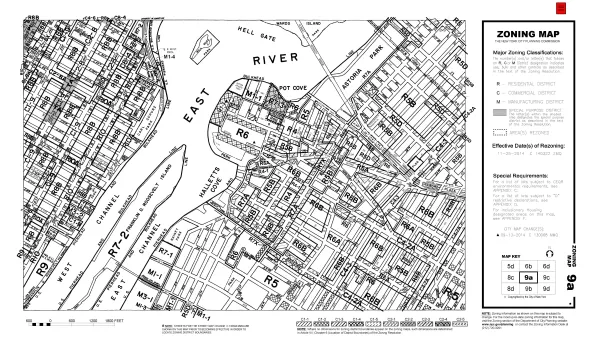
A new database measures the restrictiveness of exclusionary zoning practices around the country. Exclusionary zoning, it turns out, is much more prevalent than commonly acknowledged.

The state-sanctioned urbicide of Austin
People don’t kill cities. Freeways do.

US to reduce Colorado River water deliveries to Mexico
A new Colorado Treaty amendment reduces Mexico’s Colorado River water allocation by 250,000 acre feet.

New Jersey’s second-largest city bans standalone data centers
Jersey City will continue to allow co-location facilities, such as those meant for research institutions that store their own data.

Amtrak not solely to blame for New Jersey commuter rail's unreliability, report finds
A new study from the Garden State Initiative found that NJ Transit’s budget grew 20% across a 4 year period, but reliability declined significantly over the same period.

EPA erases limits on planet-warming pollution from power plants
Under Monday’s plan, power plants would still have some limits on how much mercury, arsenic and other contaminants they can emit.

Phoenix announces new on-demand transit service, more frequent RAPID buses
Both new services will launch in October, and are part of Phoenix's Project Effective Access Solutions for Easing Congestion.

FREE Course: Walkable City 1: Why Walkability?
After describing his path towards focusing on walkability as the essence of good planning, Jeff Speck marches through his five principal reasons for making more walkable places.
Reinventing Malls: Planning Alchemy—Turning Gray Fields Into Gold
The course focuses on the opportunities and imperatives that shape reinvention of mall sites.

Eagle County Government
Harvard University Graduate School of Design
Nashville Planning Department
The Architects Foundation
University of Cincinnati Online
The Pocatello Development Authority
The Urban Renewal Agency of the City of Pocatello
Journal of the American Planning Association