After 25 years of scattershot station design, the Los Angeles County Metropolitan Transportation Authority (Metro) is bringing rationality and consistency to the design of three new rail projects. A "kit of parts" has been designed by Johnson Fain.


"[L.A.]'s 80 train stops play host to more than one thousand design variations, from architectural differences to a range of trash cans and paint colors," observes Laura J. Nelson. But in an effort to improve wayfinding, simplify maintenance and "make the system feel more sophisticated and durable," Metro has adopted a design template for three new projects: the Crenshaw Line, the Downtown Regional Connector subway and the first phase of the Purple Line extension.
"The template, which staffers call 'a kit of parts,' calls for simple, even utilitarian, elements that can be rearranged to fit underground, ground-level and elevated stations," explains Nelson. "The designs are intended to help passengers find their way through the system. Every station object, from televisions to turnstiles, will have a uniform look. Like elements will be grouped together."
Read the full story: Metro rail stations are being planned with design in mind

D.C. Subway Makeover Plans Court Controversy
For the first time since the system was opened in 1976, Washington D.C.'s iconic subway stations are getting a substantial redesign. Preservationists and historians are questioning the appropriateness of the changes.
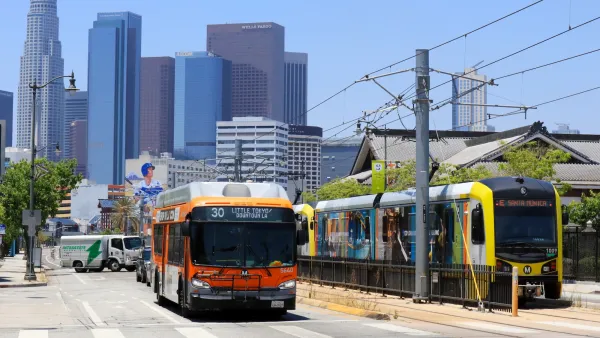
LA Metro Increases Highway Expansion Budget by 40%
Metro has plans to expand freeways including the 5, 105, and 405, among others.
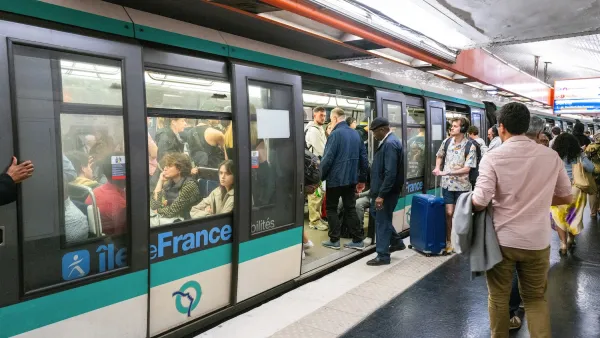
Study: Metro Systems Cut Driving Significantly More Than Other Forms of Transit
European cities with subway systems have a much lower share of car trips than cities with tram- or bus-based transit systems.

Amtrak, CN end decades-long dispute with eight-year agreement
The new operating agreement establishes an updated framework for the companies to work together, including processes to resolve disputes.

Judges permit Denver to divert 77,000 acre feet from the Colorado River for reservoir expansion
Overuse and climate change have caused the Colorado River’s water levels to plummet.
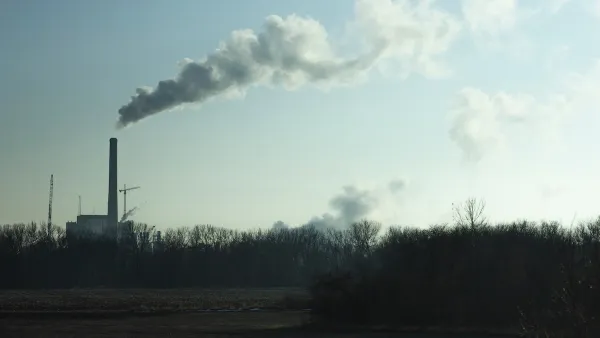
Nation's most wind-powered state turns to coal as data centers increase energy demand
For the first time in decades, Iowa has increased its generation of coal power.

Boston has spent millions making the Green Line more accessible — and there’s no end in sight
While the city has invested millions into expanding and adding platforms to the Green Line to make it more accessible, new train cars set to arrive next year will be too tall for disabled passengers to board without raising the current platforms.

Idaho may see an 18% drop in federal surface transit funding — the largest estimated cut in the US
Transit systems in rural communities are much more reliant on federal funding to provide their services.

How ‘post-disaster gentrification’ alters neighborhoods after natural calamities
After hurricanes, fires or other calamities, the original residents of a community are often replaced by younger, wealthier residents.

FREE Course: Walkable City 1: Why Walkability?
After describing his path towards focusing on walkability as the essence of good planning, Jeff Speck marches through his five principal reasons for making more walkable places.
Reinventing Malls: Planning Alchemy—Turning Gray Fields Into Gold
The course focuses on the opportunities and imperatives that shape reinvention of mall sites.

City of Wisconsin Rapids
Harvard University Graduate School of Design
KFH Group Inc.
The Architects Foundation
University of Cincinnati Online
The Pocatello Development Authority
The Urban Renewal Agency of the City of Pocatello