In one of the world's largest cities, every little bit of space counts in the quest to create respites from the clamor. A popular program in Mexico City is turning vacant and neglected spaces under its freeways into commercial and recreational space.


"Urban planners here, in one of the world’s most populous and crowded cities, have found a way to add thousands of square feet of new commercial and recreational space," reports Mick Miroff. "And it isn’t costing local government a cent."
"Their gambit is called Under Bridges ('Bajo Puentes'), and it’s a simple idea: Convert the vacant, trash-strewn lots beneath Mexico City’s overpasses and freeways into shopping plazas, public playgrounds and outdoor cafes."
“'These were spaces that generated no benefit and had been illegally appropriated as dumping grounds for trash or as homeless campsites,' said Eduardo Aguilar, an urban planner for the Mexico City government who helped design the program. 'They were spaces that cost the city to maintain and were a drain on resources.'”
According to Miroff, four of the Under Bridges project have been completed so far, with plans for 20 more in the works.
FULL STORY: In Mexico City, planners turn vacant space under freeways into places to work, dine, play

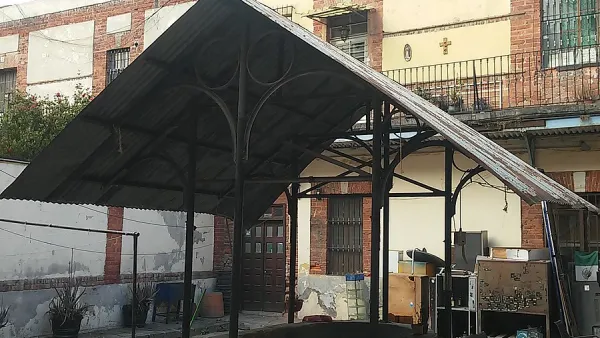
Vecindades: Mexico City's Answer to 'Missing Middle Housing'
An iconic multifamily housing form repurposes the former homes of Mexico's elite into communal housing for urban workers.
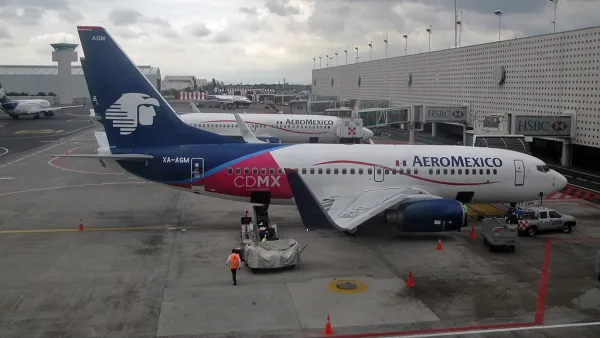
Mexico City Airport Project Ends; Causes Economic Rumblings
Mexican voters do not want the airport project to continue, and serious economic consequences could follow.
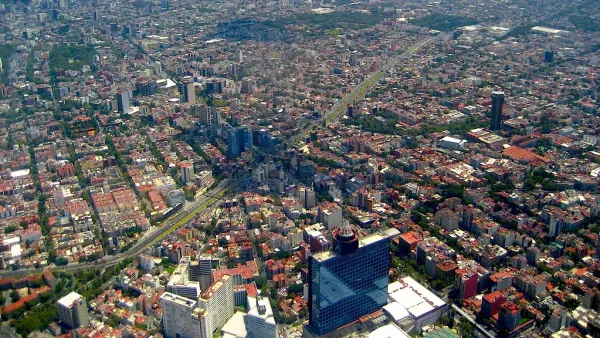
Mexico City Coalition Dreams of Restoring Rivers
A proposal to restore Mexico City's 45 rivers envisions a whole new model for the city.

The state-sanctioned urbicide of Austin
People don’t kill cities. Freeways do.

US to reduce Colorado River water deliveries to Mexico
A new Colorado Treaty amendment reduces Mexico’s Colorado River water allocation by 250,000 acre feet.

New Jersey’s second-largest city bans standalone data centers
Jersey City will continue to allow co-location facilities, such as those meant for research institutions that store their own data.

Amtrak not solely to blame for New Jersey commuter rail's unreliability, report finds
A new study from the Garden State Initiative found that NJ Transit’s budget grew 20% across a 4 year period, but reliability declined significantly over the same period.

EPA erases limits on planet-warming pollution from power plants
Under Monday’s plan, power plants would still have some limits on how much mercury, arsenic and other contaminants they can emit.

Phoenix announces new on-demand transit service, more frequent RAPID buses
Both new services will launch in October, and are part of Phoenix's Project Effective Access Solutions for Easing Congestion.

FREE Course: Walkable City 1: Why Walkability?
After describing his path towards focusing on walkability as the essence of good planning, Jeff Speck marches through his five principal reasons for making more walkable places.
Reinventing Malls: Planning Alchemy—Turning Gray Fields Into Gold
The course focuses on the opportunities and imperatives that shape reinvention of mall sites.

Eagle County Government
Harvard University Graduate School of Design
Nashville Planning Department
The Architects Foundation
University of Cincinnati Online
The Pocatello Development Authority
The Urban Renewal Agency of the City of Pocatello
Journal of the American Planning Association