Thomas Erdbrink spotlights the efforts of the dedicated individuals that are trying to reverse decades of neglect and destruction of the traditional courtyard homes that are a 'cornerstone of Iranian architecture.'


"For thousands of years, houses with secluded gardens and courtyards have been a cornerstone of Iranian architecture, which strongly influenced structures like the Alhambra and the Taj Mahal. Similar dwellings are described in literature from Achaemenid times, around 700 B.C., and their old Persian name is the root for the word 'paradise'," notes Erdbrink.
"But in past decades the houses fell out of favor and were widely demolished to make way for glassed apartment blocks, especially in Tehran. The sprawling family gardens on the flanks of the Alborz in the capital have long since been demolished to make way for high rises, turning landowners into millionaires but wiping out Iran’s architectural heritage."
"But [interior designer Shanaz] Nader and some others are beginning to reverse that trend. In recent years, dozens of houses and palaces in Kashan, a city known for its carpets and traditional Iranian architecture, have been painstakingly renovated into holiday homes and hotels."
“For a long time it seemed as though our love for culture had diminished in our country,” said Mohsen Shahi, a 26-year-old architect. “Those old families that once built these beautiful houses were not thinking of profits, but of their legacies. Thankfully, now we are starting to learn from them.”
Read the full story: Restoring Iran’s Heritage of Magnificent Homes in an Age of High Rises


Analysis: Suspending the gas tax wouldn't save Americans much on gas this summer
Even if Congress approves a proposal to temporarily lift the federal gas tax, a variety of other factors and transportation and processing delays would mean American consumers would see little difference at the pump.
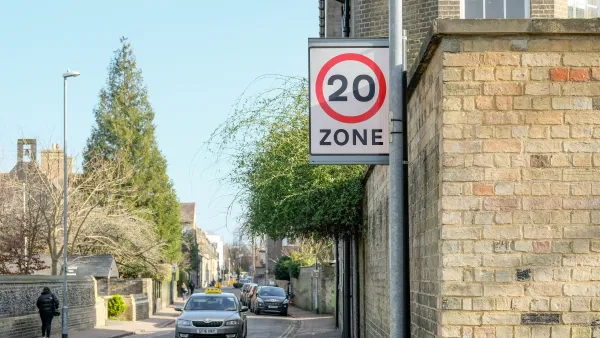
Agencies urge cutting speed limits to save gas amid war in Iran
International bodies suggest 20 is plenty to mitigate consumer pain while oil prices soar.
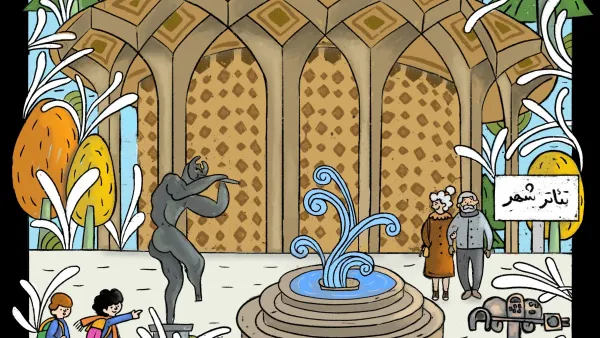
War and Place: The Iran you Don't see in the News
The world is watching Iran right now through the narrow lens of conflict. When governments see the world through a target reticle, smoke fills the frame — and the places people actually live get ignored.

Planetizen Federal Action Tracker
A weekly monitor of how Trump’s orders and actions are impacting planners and planning in America.

The state-sanctioned urbicide of Austin
People don’t kill cities. Freeways do.
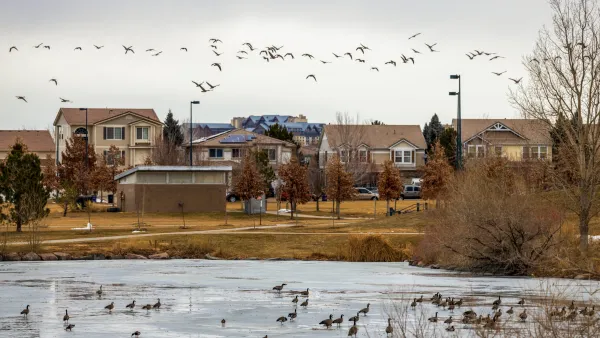
Colorado’s Largest Data Center Could Rise Next to Homes — Without a Public Hearing
The proposed campus would consume 11 times the power of Denver International Airport; as it has across the country, opposition mounts.
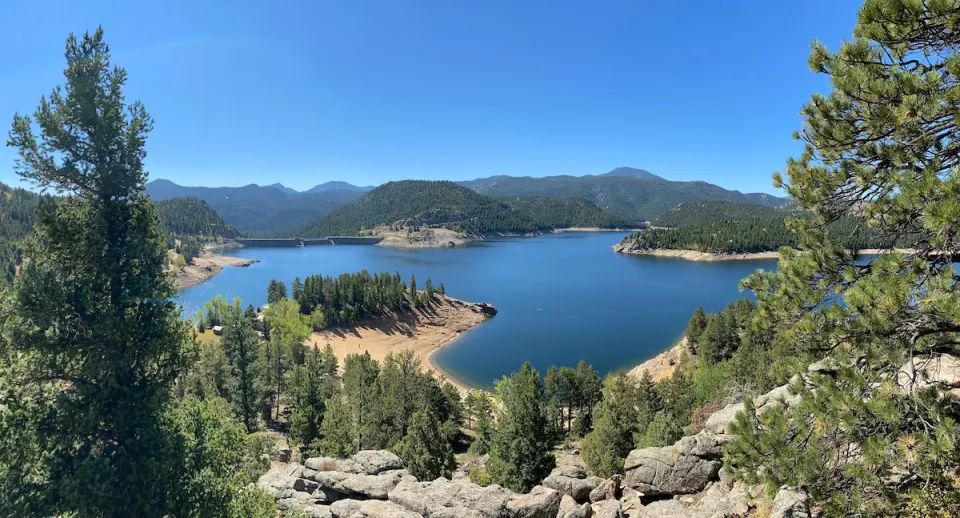
Judges permit Denver to divert 77,000 acre feet from the Colorado River for reservoir expansion
Overuse and climate change have caused the Colorado River’s water levels to plummet.

Amtrak, CN end decades-long dispute with eight-year agreement
The new operating agreement establishes an updated framework for the companies to work together, including processes to resolve disputes.

Raised interest rates may kill financially vulnerable construction projects
The chief economist at ConstructConnect warns that if construction project owners are negatively impacted by the raised rates, it could result in delayed payments to contractors.

FREE Course: Walkable City 1: Why Walkability?
After describing his path towards focusing on walkability as the essence of good planning, Jeff Speck marches through his five principal reasons for making more walkable places.
Reinventing Malls: Planning Alchemy—Turning Gray Fields Into Gold
The course focuses on the opportunities and imperatives that shape reinvention of mall sites.

Greater Baltimore Committee
Eagle County Government
Harvard University Graduate School of Design
The Architects Foundation
University of Cincinnati Online
The Pocatello Development Authority
The Urban Renewal Agency of the City of Pocatello
Journal of the American Planning Association