A dearth of high quality retail spaces in India's largest cities and the growing attraction of large foreign retailers to the country have analysts predicting a boom in commercial development.


Will high-end international retailers be comfortable setting up shop in Mumbai next to "a neighborhood chemist"? They may have to if they want to take advantage of recent votes in India's parliament allowing foreign retailers to open stores in the country, reports Neha Thirani. While their presence is still heavily restricted - big retailers are confined to large cities and cannot buy and sell undeveloped land - “Foreign retailers are most welcome by the builders community,” said Anand Gupta, the general secretary of the Builders’ Association of India and managing director and chairman of the Choudhary & Choudhary Group, a construction company working primarily in Mumbai and Pune.
"In Indian cities with more than a million people, which big foreign retailers are confined to, analysts predict a marked increase in demand for commercial real estate, warehousing and office space," notes Thirani. “In the short term there will be a spurt in demand as retailers set up test stores,” said Harvesp Mehta, director for real estate at Motilal Oswal Private Equity Advisors.
"The paucity of quality rental spaces for the retail sector in the cities where multibrand foreign retailers are expected to enter the market could trigger demand for new projects," adds Thirani. So architects and planners, get your portfolios in order.
“In India, per capita mall space among the top seven metro cities is presently estimated at less than one square foot, with the United States and Europe average being 20 to 40 times that,” said Subhasis Roy, the national director for retail agency at Knight Frank India, a real estate company. "While there are several malls in the works, most won’t be finished for three to four years, he said."
Read the full story: India’s Real Estate Developers Predict New Construction Boom
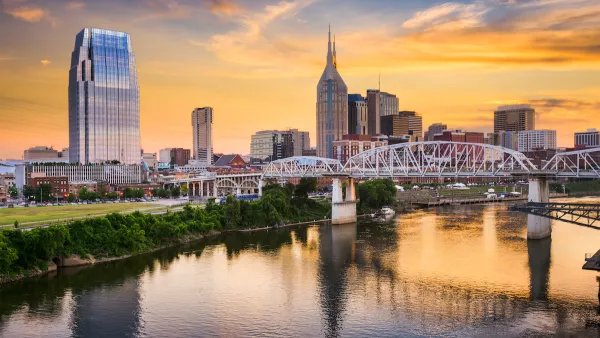
Plans for Nashville’s First Chinatown Underway
Developers are working on a new cultural commercial development that will offer unique Asian architecture, culture, shopping, restaurant, and retail services to Nashvillians and visitors from surrounding cities and states.
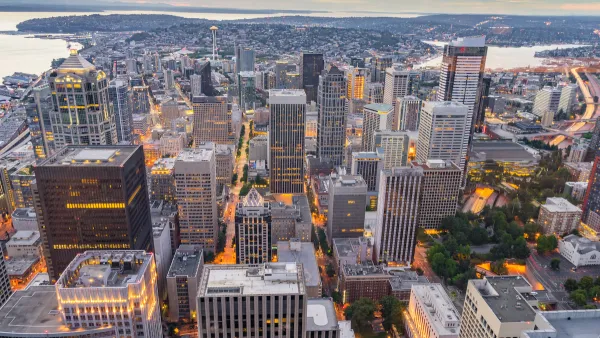
Seattle Downtown Plan Expands Permitted Uses
The Downtown Activation Plan shifts from Euclidean to form-based zoning to encourage more commercial development.
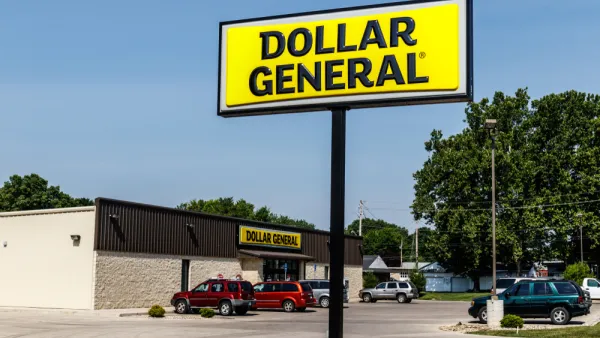
Retail Openings Outpace Closures in 2021
An estimated 20 percent of the stores to open so far in 2021 are Dollar Generals.

Planetizen Federal Action Tracker
A weekly monitor of how Trump’s orders and actions are impacting planners and planning in America.

Eastern Nebraska is running out of electricity
Data centers and electrification are straining eastern Nebraska’s grid, throttling economic development.

Study reveals best places in the U.S. for cycling, walking
New research from Streetlight Data examines bicycle and pedestrian miles per capita in the 100 largest U.S. cities by population.

Federal government nominates new FTA administrator
Mark Aesch is currently the founder and CEO of a transportation management consulting firm.

Developers reveal $10 billion stadium plan as ‘Hail Mary’ to keep Bears in Chicago
The plan would also boast a public park, high- and mid-rise buildings and a youth sports complex.

As Texas embraces carbon storage, a Black community questions the risks
Texas now issues permits for companies to store carbon dioxide underground. East Texas residents fear safety risks, and skeptics doubt the climate benefits.

FREE Course: Walkable City 1: Why Walkability?
After describing his path towards focusing on walkability as the essence of good planning, Jeff Speck marches through his five principal reasons for making more walkable places.
Reinventing Malls: Planning Alchemy—Turning Gray Fields Into Gold
The course focuses on the opportunities and imperatives that shape reinvention of mall sites.

City of Rosemead
Rutgers University, Edward J. Bloustein School of Planning and Public Policy
One Hundred Miles
University of Michigan School for Environment and Sustainability (SEAS)
Hunter College, City University of New York (CUNY)
The Architects Foundation
City of Cambridge
The Pocatello Development Authority
The Urban Renewal Agency of the City of Pocatello