With three-quarters of smartphone owners accessing real-time location-based information, the biggest names in technology - from Apple to Google - are working to mine the value of location-based data. Can local governments do the same?


Adapting the findings of a recent study produced by Deloitte GovLab study, Joe Leinbach, Anesa Diaz-Uda, and William D. Eggers discuss the potential for location-based data to improve the ways governments interact with, and deliver services to, their constituents.
"Governments at every level stand to benefit from the convergence of
geospatial technologies and location-based services," say the authors. "For agency
executives, capturing data from social media and location-based
applications offers a more detailed and nuanced dataset than traditional
GIS and demographic data, leading to better policymaking and program
delivery. At the same time, the more data agencies collect, the better
and more contextually aware location-based services become for citizens
and employees. The result? Better communication, more efficient
allocation of public resources and the ability to rethink the way public
services are delivered."
Read the full story: 'Where' Matters: Shaping Public Services for the Mobile Citizen

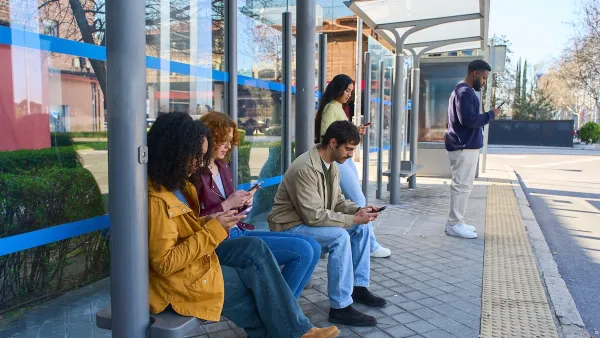
Opinion: Smartphone Dependency Mirrors Car-Centric Development
Decades ago, we started building a society based around car ownership, making it difficult to navigate U.S. cities without one. Are we making the same mistakes with smartphones?
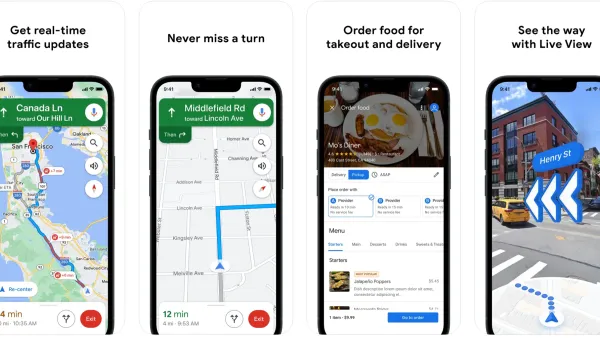
Recommended Mobile Apps for Urban Planning in 2023
Planetizen's annual list of top apps for planners is back, ten years after its first appearance on the site. Scores of apps have been recommended by planners as examples of planning in action, or tools for planning action.
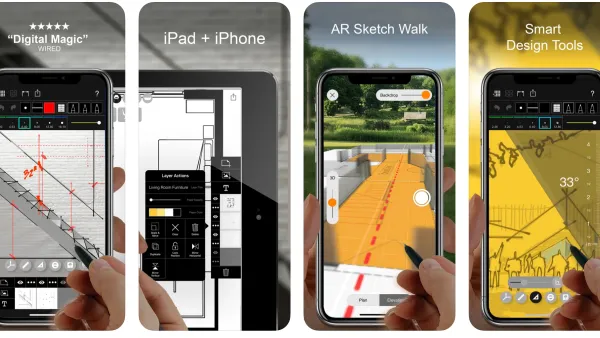
Best Apps for Urban Planning in 2022
Mobile apps continue to redefine the practices of planning—urban planning, regional planning, transportation planning, community planning, and rural planning included.

Planetizen Federal Action Tracker
A weekly monitor of how Trump’s orders and actions are impacting planners and planning in America.

‘Going backwards:’ Baltimore mayor, students rally against state's transit funding plan
Maryland's proposed six-year plan provides no funding for Baltimore’s BMORE bus program and reduces its road maintenance funding.

Detroit to transform waterfront with $2.2 billion investment
Developers will convert about 18 acres of unused parking lot space into civic spaces.

Data center developers are using lawsuits, cash offers to ‘overwhelm’ rural America
Newsrooms in five states worked together to uncover the tactics big tech developers use to buy land from reluctant communities.

U.S.-Iran war may have ‘devastating’ impact on cost to warm homes
Vermont and Maine residents may see a 76% increase in the cost of warming their homes this winter.

Senate bill would ‘overhaul’ environmental permitting laws
Under the proposed act, government agencies would also not be able to suspend or rescind permits after granting them.

FREE Course: Walkable City 1: Why Walkability?
After describing his path towards focusing on walkability as the essence of good planning, Jeff Speck marches through his five principal reasons for making more walkable places.
Reinventing Malls: Planning Alchemy—Turning Gray Fields Into Gold
The course focuses on the opportunities and imperatives that shape reinvention of mall sites.

One Hundred Miles
County of Mendocino
planning NEXT
The Architects Foundation
University of Cincinnati Online
Montrose County
Northern Illinois Transit Authority (NITA)
The Pocatello Development Authority