A new study documents exactly how deprived of access to open space the 13 million residents of Mumbai are. The numbers are grim, especially when compared to other cities around the world, and even in India, reports Neha Thirani.


The new study, published by the Mumbai Metropolitan Region Environment Improvement Society, documents what many have observed: in one of the world's most populous cities, "open spaces are rare, and rarely open."
According to the study, only 9 square feet (.88 square meters) of open space is accessible per person in the city. "That puts Mumbai far behind other cities in India, and around the
world. Delhi and Bangalore offer 15 and 6.4 square meters of open space
per person, while Tokyo and New York have 6 and 2.5 square meters,
according to research carried out by the real estate company Jones Lang
LaSalle."
"As the city government revises Mumbai's Development Plan, looking
forward to the next twenty years, officials hope this study will
contribute to the planning process," notes Thirani.
The problem does not appear to be insurmountable though. "Although Mumbai's total open space is tiny, the study shows that most
Mumbai residents are within a five-minute walk of some open space.
However, factors like insufficient visibility, poor signage and lack of
access from roads restrict the use of some of these spaces."
Read the full story: In Mumbai, Open Spaces Are Rare, and Rarely Open
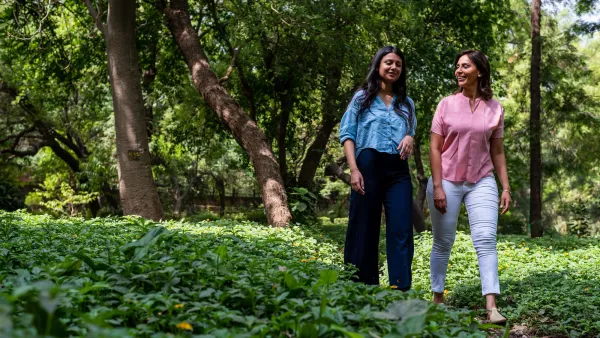
India’s Women-only ‘Pink Parks:’ Safe Refuge or Segregated Enclaves?
Women-only public spaces can provide safety and community, but critics argue they fail to address deeper structural problems.
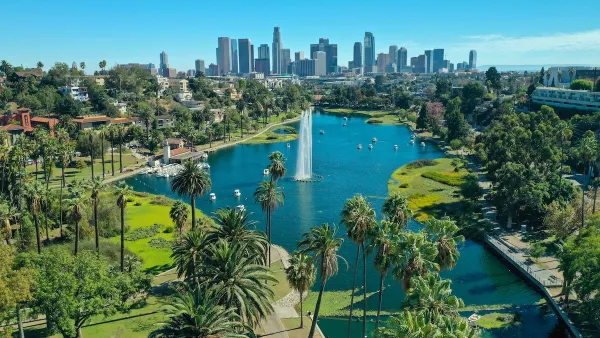
A Historic Investment in LA County’s Parks and Open Spaces
Los Angeles County has launched its largest-ever competitive grant program, investing $58 million to expand park access, enhance climate resilience, and support community-driven projects in the areas that need them most.
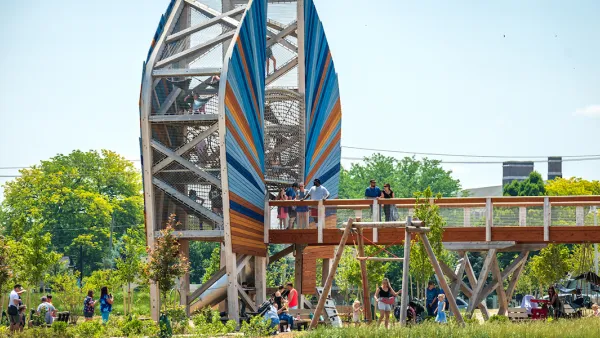
Innovative Park Agencies Receive National Recognition
The National Recreation and Park Association (NRPA) recently announced the recipients of this year’s awards for innovation in health and wellness, equity, conservation, and park design.

Planetizen Federal Action Tracker
A weekly monitor of how Trump’s orders and actions are impacting planners and planning in America.

Eastern Nebraska is running out of electricity
Data centers and electrification are straining eastern Nebraska’s grid, throttling economic development.

Study reveals best places in the U.S. for cycling, walking
New research from Streetlight Data examines bicycle and pedestrian miles per capita in the 100 largest U.S. cities by population.

Federal government nominates new FTA administrator
Mark Aesch is currently the founder and CEO of a transportation management consulting firm.

Developers reveal $10 billion stadium plan as ‘Hail Mary’ to keep Bears in Chicago
The plan would also boast a public park, high- and mid-rise buildings and a youth sports complex.

As Texas embraces carbon storage, a Black community questions the risks
Texas now issues permits for companies to store carbon dioxide underground. East Texas residents fear safety risks, and skeptics doubt the climate benefits.

FREE Course: Walkable City 1: Why Walkability?
After describing his path towards focusing on walkability as the essence of good planning, Jeff Speck marches through his five principal reasons for making more walkable places.
Reinventing Malls: Planning Alchemy—Turning Gray Fields Into Gold
The course focuses on the opportunities and imperatives that shape reinvention of mall sites.

City of Rosemead
Rutgers University, Edward J. Bloustein School of Planning and Public Policy
One Hundred Miles
University of Michigan School for Environment and Sustainability (SEAS)
Hunter College, City University of New York (CUNY)
The Architects Foundation
City of Cambridge
The Pocatello Development Authority
The Urban Renewal Agency of the City of Pocatello