Christian Sahner reports on the devastating destruction of historical sites that has befallen Syria since the beginning of the opposition uprising 18 months ago, and urges international communities to take action to protect them from further harm.


Syria is home to some of the world's most treasured historical sites, but throughout the chaos of the Syrian uprising, they have come under attack from shelling, gunfire and looting, common occurrences which Sahner claims draws "ominous comparisons to postinvasion Iraq."
"As war has engulfed the country, security resources normally allocated for protecting monuments have been redeployed to the battlefield. The fighting has drawn few distinctions between civilian and military targets, leaving many sites exposed to damage." Several Unesco World Heritage sites are under threat due to decreased security, including the Crusader fortress Crac des Chevaliers - "regarded as the finest example of medieval castle architecture anywhere in the world" - whose outer walls were damaged due to shelling from gunfire, and the ancient city of Palmyra, which has reported cases of looting in various locations throughout the site.
In order to save Syria's ancient landmarks for future generations, he proposes several solutions to safeguard them from future attacks, including publicizing the damage and strengthening "legislation against the illegal antiquities trade." Sahner argues that the protection of these landmarks is a priority in re-establishing the country when the uprising ceases. "Syria's cultural patrimony can play a crucial role as a reminder to the country of its diversity and achievements across the ages, as well as a symbol of pride and unity going forward."
Thanks to Daniel Lippman
Read the full story: Saving Syria
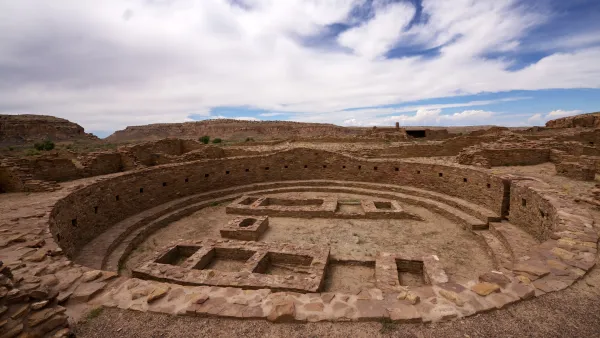
Trump to allow drilling, mining near world heritage site
A UNESCO spokesperson said the world heritage committee has consistently considered mining and drilling near sites to be “incompatible with world heritage status.”
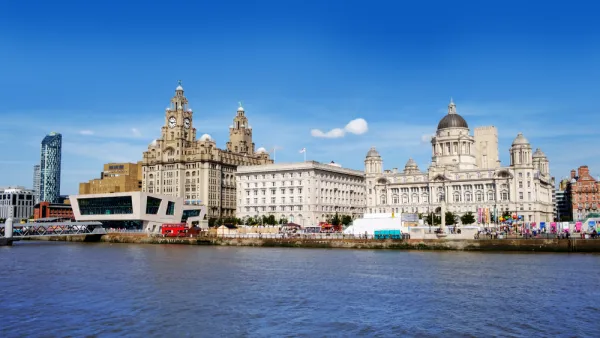
Liverpool Could Lose UNESCO World Heritage Status
New and planned developments are risking the integrity of Liverpool's historic waterfront, according to the United Nations Education, Scientific and Cultural Organisation (UNESCO).
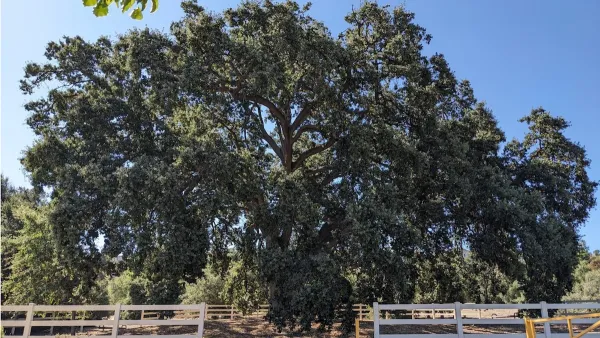
400-Year-Old Oak Tree Designated as Historic Landmark
The tree’s landmark status celebrates its deep-rooted history and symbolizes the community's dedication to preserving local ecological treasures.

Desperate measures: Advocates weigh draining Lake Powell to fill Colorado River
Draining the reservoir could reduce evaporation losses by a couple hundred thousand acre-feet.

Eastern Nebraska is running out of electricity
Data centers and electrification are straining eastern Nebraska’s grid, throttling economic development.

Malls are becoming the midtowns of the future
Mall and office park redevelopments are a generational opportunity to create new nodes of urbanity.

NYC breaks ground on anti-flooding infrastructure project
New York City's new system will reduce stormwater flows to local sewers by 90%.

One Kentucky town’s secret to affordable housing
The Smoketown Community Land Trust has already built seven affordable homes for community members.

Houston gains petal-shaped cooling infrastructure to make streets more ‘delightful’
The city has installed the pavilions along 15 blocks in Houston.

FREE Course: Walkable City 1: Why Walkability?
After describing his path towards focusing on walkability as the essence of good planning, Jeff Speck marches through his five principal reasons for making more walkable places.
Reinventing Malls: Planning Alchemy—Turning Gray Fields Into Gold
The course focuses on the opportunities and imperatives that shape reinvention of mall sites.

City of Rosemead
Rutgers University, Edward J. Bloustein School of Planning and Public Policy
One Hundred Miles
University of Michigan School for Environment and Sustainability (SEAS)
Hunter College, City University of New York (CUNY)
The Architects Foundation
City of Cambridge
Montrose County
The Pocatello Development Authority