Unsurprisingly, most of the projects compiled by the company KPMG called "Infrastructure 100: World Cities Edition" are in expanding countries like China and Saudi Arabia. Tyler Falk pulls out some favorites.


Falk selects 10 projects in 10 different categories, such as a $10 billion rail transit project in Kuwait that represents urban mobility. The Kuwait Metro "...will include 28 stations and about 30 miles of tracks throughout the city in its first phase. When completed the metro system will have 69 stations across almost 100 miles of tracks."
Falk says the project is exciting because the city "...has limited transit options. In this capital city of over 2 million, an overreliance on car means crowded roads. Less motorists on the road means better air quality for the city. "
A water management program in Brazil and an urban energy structure in Malmo, Sweden also make the list.
Read the full story: 100 inspiring urban infrastructure projects

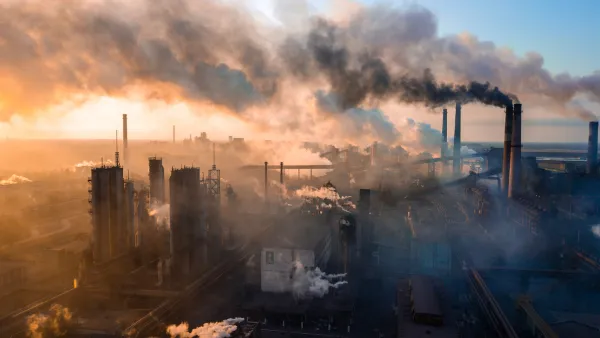
COP28: Will Developed Nations Reduce Emissions?
Tensions between developed and developing nations surfaced over emissions and energy, with the former focused on reducing fossil fuels and the latter pointing to unrealized emissions reductions from the nations most responsible for global warming.
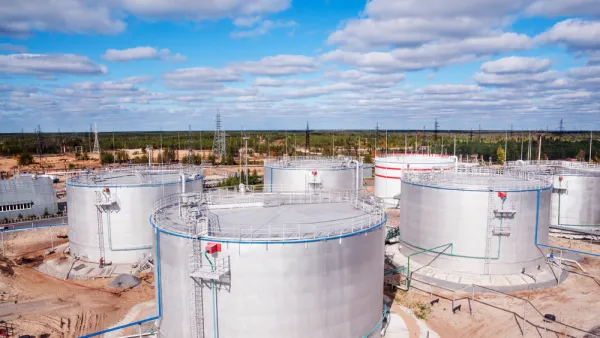
Use or Misuse of the Strategic Petroleum Reserve?
Rising gasoline prices prompted President Biden to announce on October 19 that he was authorizing the release of 15 million barrels of crude oil from the nation's Strategic Petroleum Reserve.

OPEC Plus Decision to Reduce Oil Output Could Lead to Global Recession
A decision earlier this month by a group of the world's largest oil exporters to drastically reduce oil production to stem the decline in oil prices could be a ‘tipping point’ for a global recession, says the International Energy Agency.

Amtrak, CN end decades-long dispute with eight-year agreement
The new operating agreement establishes an updated framework for the companies to work together, including processes to resolve disputes.

Judges permit Denver to divert 77,000 acre feet from the Colorado River for reservoir expansion
Overuse and climate change have caused the Colorado River’s water levels to plummet.
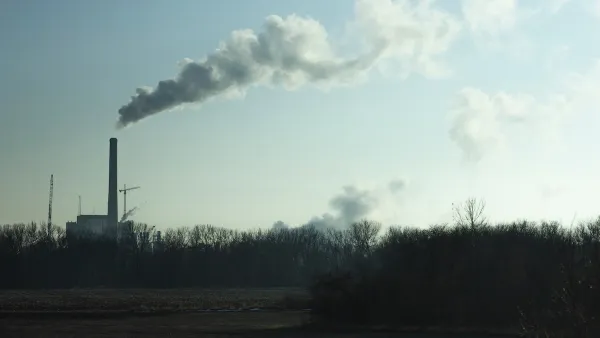
Nation's most wind-powered state turns to coal as data centers increase energy demand
For the first time in decades, Iowa has increased its generation of coal power.

Boston has spent millions making the Green Line more accessible — and there’s no end in sight
While the city has invested millions into expanding and adding platforms to the Green Line to make it more accessible, new train cars set to arrive next year will be too tall for disabled passengers to board without raising the current platforms.

Idaho may see an 18% drop in federal surface transit funding — the largest estimated cut in the US
Transit systems in rural communities are much more reliant on federal funding to provide their services.

How ‘post-disaster gentrification’ alters neighborhoods after natural calamities
After hurricanes, fires or other calamities, the original residents of a community are often replaced by younger, wealthier residents.

FREE Course: Walkable City 1: Why Walkability?
After describing his path towards focusing on walkability as the essence of good planning, Jeff Speck marches through his five principal reasons for making more walkable places.
Reinventing Malls: Planning Alchemy—Turning Gray Fields Into Gold
The course focuses on the opportunities and imperatives that shape reinvention of mall sites.

City of Wisconsin Rapids
Harvard University Graduate School of Design
KFH Group Inc.
The Architects Foundation
University of Cincinnati Online
The Pocatello Development Authority
The Urban Renewal Agency of the City of Pocatello