In honor of national Bike to Work Day, we post an article by Jason Severs looking at the ways in which the bicycle - "the next great technology platform" - is changing our physical environment and social interactions.


Severs looks at the diverse impacts of the "most commonly used mode of transportation around the world," including the bicycle's potential for self expression ("the most hackable simple machine on the planet"), its role in building social bonds and shared social spaces, and its use as a technological platform.
"Bikes not only get us from place to place, they are the focus of a number of conversations about how we organize communities and define and share social boundaries, and how we can harness human power to recycle energy back to the grid. Most importantly though, bicycles are an intrinsic part of how we imagine and design the city of the future. They will play a significant role in shaping identity and communities and influencing social dynamics in urban areas, because they are the next great technology platform."
Read the full story: The Next Great Technology Platform: The Bicycle

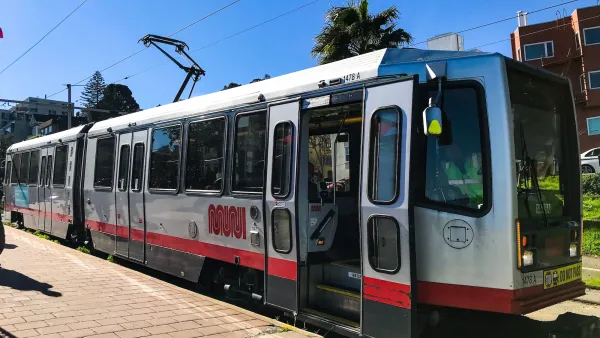
San Francisco cyclists push to allow bikes on Muni trains
The agency is one of few that bans bikes from its trains due to space constraints.
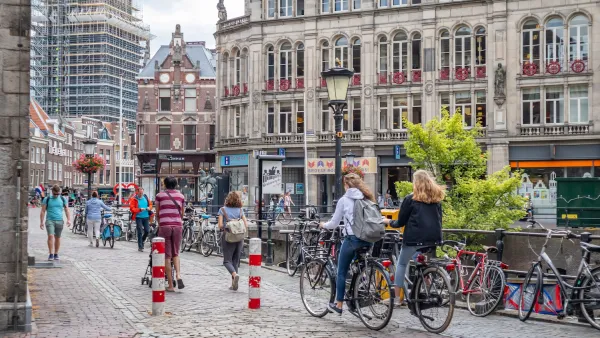
2025's 30 Most Bike-friendly Cities
Copenhagenize has released its list of top cities for cyclists. Spoiler alert: the United States doesn’t make the list.
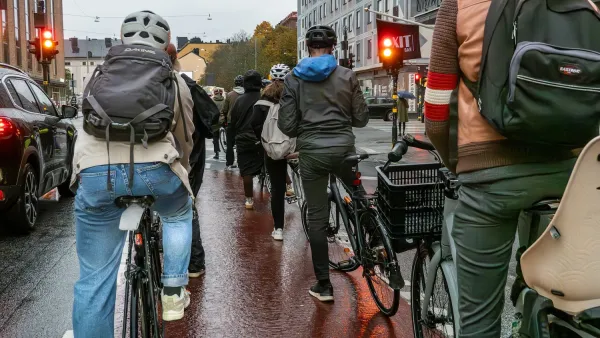
Cyclists may be Right to run Stop Signs and Red Lights. Here’s why
One researcher argues that the Idaho stop might not be such a bad idea after all.

Planetizen Federal Action Tracker
A weekly monitor of how Trump’s orders and actions are impacting planners and planning in America.

‘Going backwards:’ Baltimore mayor, students rally against state's transit funding plan
Maryland's proposed six-year plan provides no funding for Baltimore’s BMORE bus program and reduces its road maintenance funding.

Detroit to transform waterfront with $2.2 billion investment
Developers will convert about 18 acres of unused parking lot space into civic spaces.

'I can't live in this:' Mississippi town besieged by power plant noise
A plant powering Elon Musk’s xAI data centers is subjecting Southaven, Mississippi residents to ceaseless noise.

Battered from federal attacks, Louisiana's offshore wind industry refuses to give up
State Representative Joe Orgeron expressed hope that the state could revitalize its wind industry once President Trump leaves office.

Data center developers are using lawsuits, cash offers to ‘overwhelm’ rural America
Newsrooms in five states worked together to uncover the tactics big tech developers use to buy land from reluctant communities.

FREE Course: Walkable City 1: Why Walkability?
After describing his path towards focusing on walkability as the essence of good planning, Jeff Speck marches through his five principal reasons for making more walkable places.
Reinventing Malls: Planning Alchemy—Turning Gray Fields Into Gold
The course focuses on the opportunities and imperatives that shape reinvention of mall sites.

One Hundred Miles
County of Mendocino
planning NEXT
The Architects Foundation
University of Cincinnati Online
Montrose County
Northern Illinois Transit Authority (NITA)
The Pocatello Development Authority