In Washington, D.C., a huge parking lot that parallels the southwest waterfront is slowly being transformed into a 4.2-acre park. Developers and architects are "turning community input into actual park concepts and designs," said to The Dirt.


The waterfront community park, which is still unnamed, is just a small part of the larger, 51-acre redevelopment project that is taking place along the Washington Channel. "Developer financed but community design," says The Dirt, parties involved are listening and trying to understand community demands which they are incorporating into the park.
Carolyn Mitchell, former president of the Southwest Neighborhood Assembly, said "The community input yielded results: there are separate zones for kids and adults, and the pavilion is closer to the water. This design provides "something for everyone."
Elinor Bacon, a representative of the developers said that they "will use five different landscape architecture firms. The firms all have different talents so will address different zones."
Read the full story: Developer Financed, Community Designed
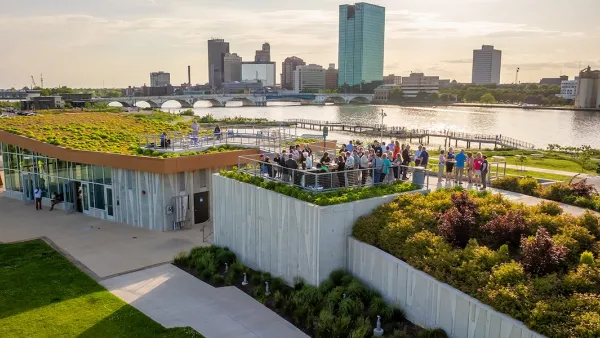
The Glass City’s Riverfront Sparkles with Promise
How Toledo is transforming its waterfront into a beloved community space.

Revitalizing Cities Through Soil Health, Green Spaces, and Nature-Based Remediation
Investing in soil health, urban parks, and nature-based solutions for brownfield remediation is essential for creating resilient cities, restoring ecosystems, and improving community well-being.
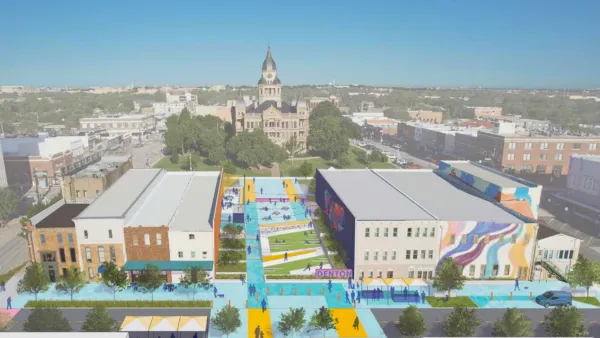
North Texas Town Launches Downtown Revitalization Plan
The Design Downtown Denton plan takes aim at improving walkability and highlighting the city’s historic assets.

Planetizen Federal Action Tracker
A weekly monitor of how Trump’s orders and actions are impacting planners and planning in America.

Eastern Nebraska is running out of electricity
Data centers and electrification are straining eastern Nebraska’s grid, throttling economic development.

Study reveals best places in the U.S. for cycling, walking
New research from Streetlight Data examines bicycle and pedestrian miles per capita in the 100 largest U.S. cities by population.

Federal government nominates new FTA administrator
Mark Aesch is currently the founder and CEO of a transportation management consulting firm.

Developers reveal $10 billion stadium plan as ‘Hail Mary’ to keep Bears in Chicago
The plan would also boast a public park, high- and mid-rise buildings and a youth sports complex.

As Texas embraces carbon storage, a Black community questions the risks
Texas now issues permits for companies to store carbon dioxide underground. East Texas residents fear safety risks, and skeptics doubt the climate benefits.

FREE Course: Walkable City 1: Why Walkability?
After describing his path towards focusing on walkability as the essence of good planning, Jeff Speck marches through his five principal reasons for making more walkable places.
Reinventing Malls: Planning Alchemy—Turning Gray Fields Into Gold
The course focuses on the opportunities and imperatives that shape reinvention of mall sites.

City of Rosemead
Rutgers University, Edward J. Bloustein School of Planning and Public Policy
One Hundred Miles
University of Michigan School for Environment and Sustainability (SEAS)
Hunter College, City University of New York (CUNY)
The Architects Foundation
City of Cambridge
The Pocatello Development Authority
The Urban Renewal Agency of the City of Pocatello