Revitalization has come to East Harlem, but a number of apartment buildings are left vacant by their owners until they can be turned over or the market recovers enough for higher rents.


Joseph Berger writes about the phenomenon of "warehoused" apartments in East Harlem:
"In some cases, city housing officials say, landlords are waiting for a revived economy to raise rents so that it makes financial sense to repair plumbing and electrical wiring. In other cases, landlords are 'warehousing' apartments for the moment that a deep-pocketed developer comes along, as has happened in the blocks just north of 96th Street, East Harlem's southern boundary. In still other cases, it is simply mystifying that apartments would be left vacant for decades, particularly since East Harlem has been a magnet for Mexican and other Latino immigrants, as well as young strivers looking for cheap space."
Thanks to Jay Myers
Read the full story: In East Harlem, ‘Keep Out’ Signs Apply to Renters

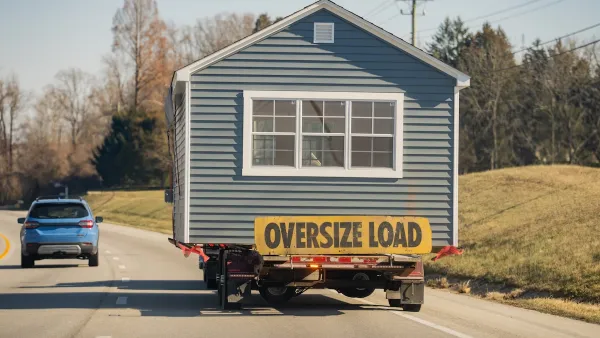
A third of Texas cities must update their zoning codes to comply with new housing law
Texas municipalities are now required to allow manufactured housing in at least one residential zoning district.
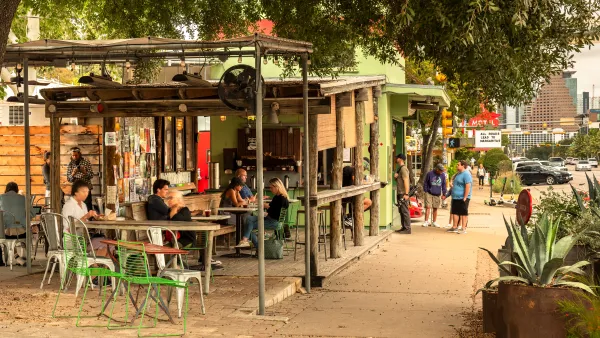
Large projects near Austin's light rail must include affordable housing
Elsewhere in the city, developers can pay into a city bank account for affordable housing rather than providing the required affordable units within their projects.
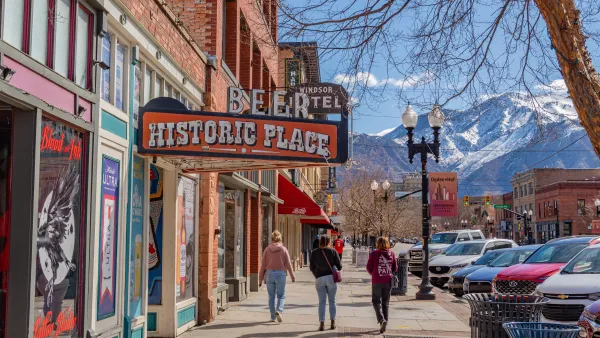
91% of Utah renters can’t enter the homebuying market
Homeownership in Utah has dropped to historic lows, despite improvements in the number of affordable rentals on the market.

Planetizen Federal Action Tracker
A weekly monitor of how Trump’s orders and actions are impacting planners and planning in America.

Amtrak, CN end decades-long dispute with eight-year agreement
The new operating agreement establishes an updated framework for the companies to work together, including processes to resolve disputes.

Judges permit Denver to divert 77,000 acre feet from the Colorado River for reservoir expansion
Overuse and climate change have caused the Colorado River’s water levels to plummet.

NYC DOT wants faster, more permanent street upgrades
The city is examining ways to build more concrete infrastructure without getting entangled in 'decades-long' projects.

'Something we’ve never seen before:' rising utility rates could strain city finances nationwide
Data centers, climate change and other factors have caused utility rates in the United States to increase by 38% since 2020.

Trump to overrule local leaders, lease millions of acres of America’s Pacific Island territories’ seafloors to mining companies
International law says that the Indigenous people of America’s territories have a right to prior and informed consent regarding projects that impact their countries.

FREE Course: Walkable City 1: Why Walkability?
After describing his path towards focusing on walkability as the essence of good planning, Jeff Speck marches through his five principal reasons for making more walkable places.
Reinventing Malls: Planning Alchemy—Turning Gray Fields Into Gold
The course focuses on the opportunities and imperatives that shape reinvention of mall sites.

Harvard University Graduate School of Design
KFH Group Inc.
Greater Baltimore Committee
The Architects Foundation
University of Cincinnati Online
The Pocatello Development Authority
The Urban Renewal Agency of the City of Pocatello