In this interview with Gary Hustwit, the director of the new documentary film "Urbanized", Charlotte West asks about the film-making process, social media and how the profiled cities were selected.


"Urbanized" is the third in Hustwit's trilogy on various aspects of design that includes "Helvetica" (2007) and "Objectified" (2009). The film, which utilizes selections from some 300 hours of footage taken in 40 cities around the world, focuses on the role of urban design in addressing universal human needs.
Hustwit: "There are so many cities we couldn't go to that are not in the film. Our approach with 'Urbanized' was not to look at specific cities. It was to look at specific, universal issues and then look at specific projects around the world. Universal issues that face all cities: We all need a roof over our head, we need clean water and sanitation, we need mobility and ways to get around, we need some place to work and we need places to relax. Whatever you want to talk about in a city, it all pretty much boils down to one of those five issues. Then we look at how different cities are dealing with them. In a way, we are making a composite city. I couldn't think of any other way to structure it.
Everyone lives in a city and they know what they like or don't like about cities. Everybody wants to change their city and make it better, but a lot of people don't really know how to go about doing that. The main time the public interfaces with the city is when they are against something that is already underway. They are not leading a positive initiative to get something done. That's the takeaway of this film: Be more involved and critical about how you want your city to be."
Read the full story: How Cities Should Work


Planetizen Federal Action Tracker
A weekly monitor of how Trump’s orders and actions are impacting planners and planning in America.

Amtrak, CN end decades-long dispute with eight-year agreement
The new operating agreement establishes an updated framework for the companies to work together, including processes to resolve disputes.
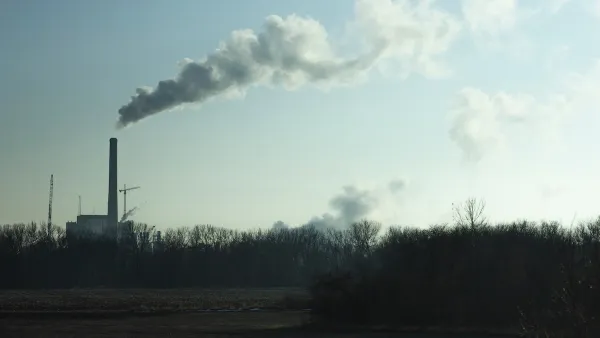
Nation's most wind-powered state turns to coal as data centers increase energy demand
For the first time in decades, Iowa has increased its generation of coal power.

Alabama scores up to $2.5 billion federal loan for largest infrastructure project in state’s history
The Mobile River Bridge and Bayway Project aims to ease congestion at Alabama’s worst bottleneck.

Trump is considering data centers on 6 states' public land — some state officials say they had no idea
If the administration approves the proposed projects, data center and data center-related developments will cover 17,600 acres of public land.

Despite court ruling, Trump is keeping nearly all wind projects in the US on hold
At least 110 wind energy projects have not heard from the government since a federal judge ruled that the Trump administration's freeze on wind turbine clearances was likely illegal.

FREE Course: Walkable City 1: Why Walkability?
After describing his path towards focusing on walkability as the essence of good planning, Jeff Speck marches through his five principal reasons for making more walkable places.
Reinventing Malls: Planning Alchemy—Turning Gray Fields Into Gold
The course focuses on the opportunities and imperatives that shape reinvention of mall sites.

KFH Group Inc.
Greater Baltimore Committee
Eagle County Government
The Architects Foundation
University of Cincinnati Online
The Pocatello Development Authority
The Urban Renewal Agency of the City of Pocatello