Solar Drive, deep in the Hollywood Hills, is a ritzy block of expensive homes. But over the past year, an empty mansion was overrun by squatters and partiers. Permission for the gate is temporary, but hikers are upset by blocked routes.


While there are other entrances to the park, many hikers used to park on Solar Drive because parking was easy and convenient. One regular user complained that the road was public, and should be available for use by all. The gate is approved for 18 months only, with the hope that the situation with the mansion will be resolved by then.
Reporter Kate Linthicum explains how the house ended up vacant and overrun:
"Built in the 1990s for a couple who split up during its construction, the nearly 10,000-square-foot house was abandoned for years, according to real estate agent Richard Klug.
It was used at various times as a drug den, a gang clubhouse and a place to hold raves. The evidence is in the broken windows and graffiti."
Read the full story: L.A. council agrees to gate Hollywood Hills community

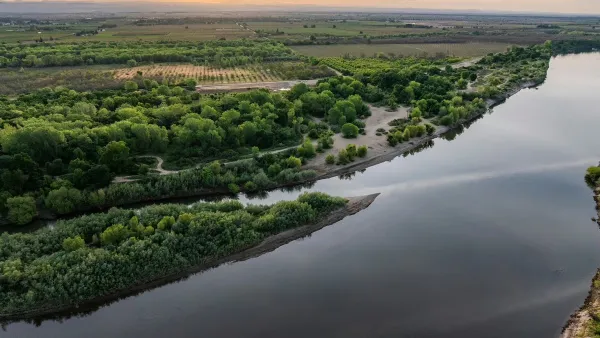
California gets three new state parks
The state plans to add 30,000 additional acres to the state parks system by the end of the decade.
California's State Library Park Pass Program Renewed Amid Budget Challenges
Californians can continue to access state parks for free by borrowing passes from their local libraries, thanks to the renewal of a state program.
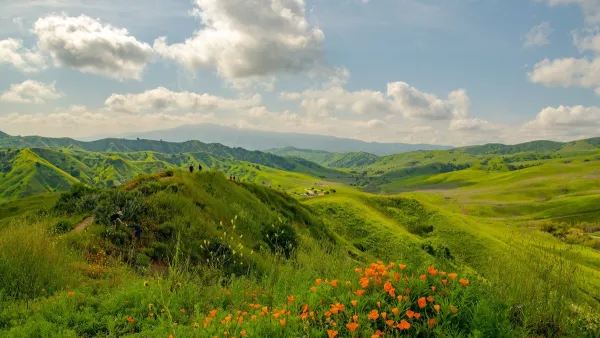
Making California State Parks More Climate-Resilient
A recently released report offers recommendations for keeping state parks healthy and robust, including acquiring additional land for conservation and recreation.

Planetizen Federal Action Tracker
A weekly monitor of how Trump’s orders and actions are impacting planners and planning in America.

Amtrak, CN end decades-long dispute with eight-year agreement
The new operating agreement establishes an updated framework for the companies to work together, including processes to resolve disputes.

Northwest rail fans eager for Sept. 30 debut of Amtrak’s Airo fleet
Get ready for that new train smell and more seats. But they won’t go faster or run more frequently on the Cascades route in Washington and Oregon.

This rural Oklahoma town doesn’t want a data center. It may not be able to stop the project
With the project outside city limits and little county oversight of unincorporated land, officials are considering measures to gain local control.

Trump administration unlawfully slashed $7 billion in clean energy grants, judge rules
The Environmental Protection Agency ended the Solar For All program, which provided the grants, after President Donald Trump’s inauguration.

Record-breaking wildlife overpass in Colorado brings 91% reduction in animal collisions
Prior to the overpass, vehicles were hitting one deer per day on Colorado’s Interstate 25.

FREE Course: Walkable City 1: Why Walkability?
After describing his path towards focusing on walkability as the essence of good planning, Jeff Speck marches through his five principal reasons for making more walkable places.
Reinventing Malls: Planning Alchemy—Turning Gray Fields Into Gold
The course focuses on the opportunities and imperatives that shape reinvention of mall sites.

City of Thousand Oaks
City of Wisconsin Rapids
Harvard University Graduate School of Design
The Architects Foundation
University of Cincinnati Online
The Pocatello Development Authority
The Urban Renewal Agency of the City of Pocatello