Recent protests throughout Spain and Europe over unemployment and governmental representation offer a unique look at how protests use and create public space and urbanity.


This op-ed from Domus looks at how the use of public spaces by the protesters resulted in a new temporary urbanism.
"It started as a small-scale protest against the misrepresentation of its participants in democratic institutions, both in Spain and across the EU. It then moved with calls like "YES WE CAMP!" into a 500-person protest-camp-with thousands engaged in its daily offline activities, and millions discussing online through the hashtag #spanishrevolution, making it a worldwide Twitter trending topic in only a few hours. After twenty-five days of protests that emerged in different fashions innumerous Spanish cities, sparking demonstrations in solidarity in several EU capitals, the "15M" (15 Mayo) movement soon evolved into a wide network of connected neighborhood assemblies. After all this process, and its successful social enrolment, 15M is still seen by many as an attempt at consensus in the normalized use of public space."
FULL STORY: 15M and YES WE CAMP! Controversy as urbanism

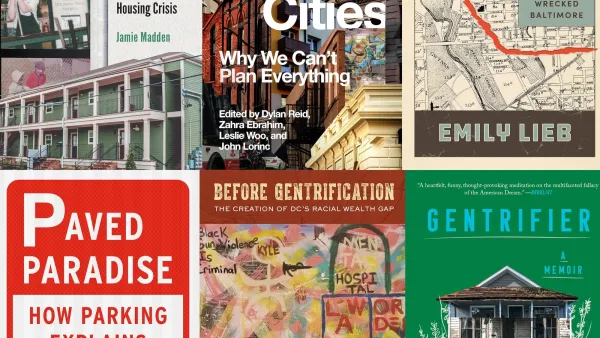
10 great urban planning summer reads
Wherever you're going (or staying) this summer, here are some suggestions for books to bring along.
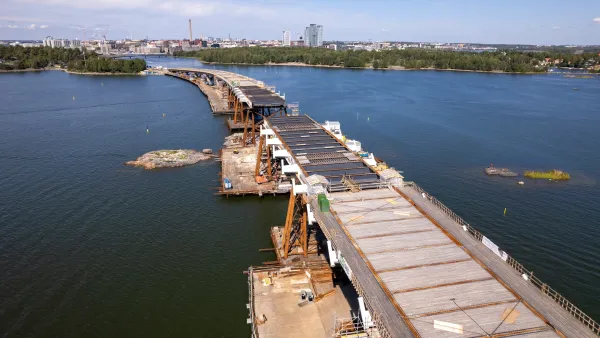
April must-reads: Top 10 articles from last month
The world's longest car-free bridge opens in Finland, Amtrak's new Mardi Gras line shatters ridership predictions, and Bay Area commuters could lose a third of Caltrain stations.
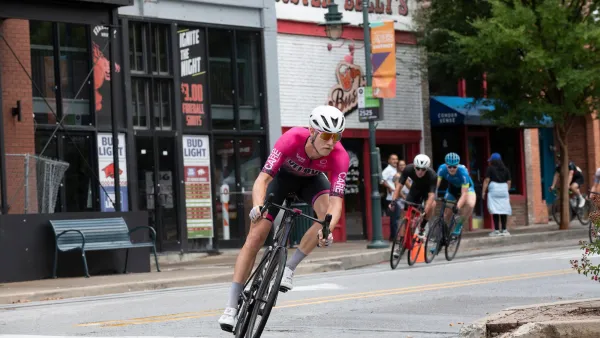
Northwest Arkansas grapples with growth as it prepares to host New Urbanism gathering
A compelling story of a fast-growing, polycentric region grappling with identity and affordability, Susan Henderson reframes CNU 34 as a hands-on workshop, inviting planners to explore Northwest Arkansas as it decides what it will become.

The state-sanctioned urbicide of Austin
People don’t kill cities. Freeways do.

US to reduce Colorado River water deliveries to Mexico
A new Colorado Treaty amendment reduces Mexico’s Colorado River water allocation by 250,000 acre feet.

New Jersey’s second-largest city bans standalone data centers
Jersey City will continue to allow co-location facilities, such as those meant for research institutions that store their own data.

Amtrak not solely to blame for New Jersey commuter rail's unreliability, report finds
A new study from the Garden State Initiative found that NJ Transit’s budget grew 20% across a 4 year period, but reliability declined significantly over the same period.

EPA erases limits on planet-warming pollution from power plants
Under Monday’s plan, power plants would still have some limits on how much mercury, arsenic and other contaminants they can emit.

Phoenix announces new on-demand transit service, more frequent RAPID buses
Both new services will launch in October, and are part of Phoenix's Project Effective Access Solutions for Easing Congestion.

FREE Course: Walkable City 1: Why Walkability?
After describing his path towards focusing on walkability as the essence of good planning, Jeff Speck marches through his five principal reasons for making more walkable places.
Reinventing Malls: Planning Alchemy—Turning Gray Fields Into Gold
The course focuses on the opportunities and imperatives that shape reinvention of mall sites.

Eagle County Government
Harvard University Graduate School of Design
Nashville Planning Department
The Architects Foundation
University of Cincinnati Online
The Pocatello Development Authority
The Urban Renewal Agency of the City of Pocatello
Journal of the American Planning Association