Of the 27 high-ranking cities, repeat offenders like San Francisco, NYC, Seattle, and Denver earned top spots. Conspicuously absent from the list is Portland.


The survey by the Economist Intelligence Unit looked at 31 variables, such as mobility, air and water quality, land use, and energy to determine the ranking. That the result covers a broad geographic spectrum is a clear indication of the narrowing "environmental gap between the West and East coasts [...] in the last decade," writes Wendy Koch for the USA Today.
What about Canada?
"The American cities tend to be fairly wealthy and thus able to afford new projects. When wealth was taken into account, the survey finds that the five Canadian cities, including Vancouver (No. 2 overall) and Toronto (No. 9), outperform their U.S. counterparts," Koch points out.
The Economist Intelligence Unit is a research division of The Economist.
Read the full story: Green cities span coasts, as eco-efforts intensify
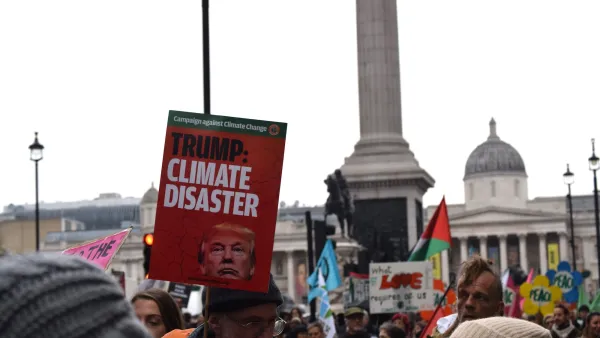
The United States Exits Global Climate Change Network
Mayors from across the U.S. expressed dissatisfaction with the federal government’s decision to withdraw from the United Nations Framework Convention on Climate Change.
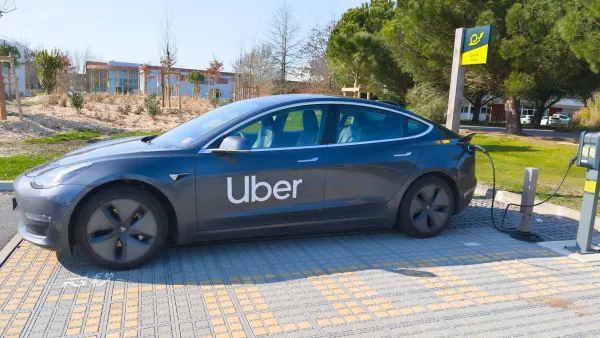
Uber Abandons Climate Commitments, Kills EV Incentive for Drivers
The company is dropping its pledge to fully electrify its fleet by 2030 and eliminating a monthly bonus for drivers who switch to EVs.
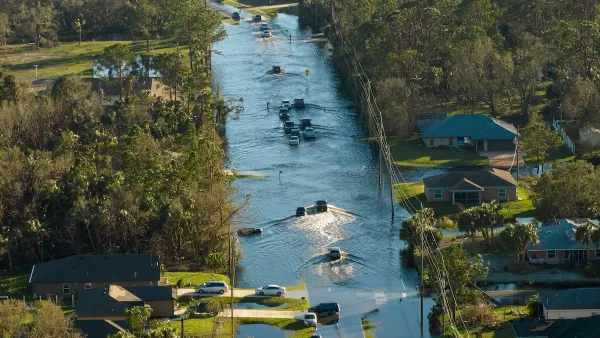
New Florida Law Bars Communities From Planning for Climate, Disaster Resilience
A law aimed at speeding up redevelopment after hurricanes bars “burdensome” land use regulations that could help communities rebuild with more resilience.

Desperate measures: Advocates weigh draining Lake Powell to fill Colorado River
Draining the reservoir could reduce evaporation losses by a couple hundred thousand acre-feet.

Eastern Nebraska is running out of electricity
Data centers and electrification are straining eastern Nebraska’s grid, throttling economic development.

Malls are becoming the midtowns of the future
Mall and office park redevelopments are a generational opportunity to create new nodes of urbanity.

NYC breaks ground on anti-flooding infrastructure project
New York City's new system will reduce stormwater flows to local sewers by 90%.

One Kentucky town’s secret to affordable housing
The Smoketown Community Land Trust has already built seven affordable homes for community members.

Houston gains petal-shaped cooling infrastructure to make streets more ‘delightful’
The city has installed the pavilions along 15 blocks in Houston.

FREE Course: Walkable City 1: Why Walkability?
After describing his path towards focusing on walkability as the essence of good planning, Jeff Speck marches through his five principal reasons for making more walkable places.
Reinventing Malls: Planning Alchemy—Turning Gray Fields Into Gold
The course focuses on the opportunities and imperatives that shape reinvention of mall sites.

City of Rosemead
Rutgers University, Edward J. Bloustein School of Planning and Public Policy
One Hundred Miles
University of Michigan School for Environment and Sustainability (SEAS)
Hunter College, City University of New York (CUNY)
The Architects Foundation
City of Cambridge
Montrose County
The Pocatello Development Authority